NHMRC and CHF are promoting excellence in consumer and community involvement through case studies. Each case study was developed in collaboration with the individuals or organisations mentioned.
Table of contents
Case studies on this page:
- Transforming research methodology through lived experience
- Nra:gi Ya:yun (healthy foods): Co-designing a Diabetes remission Initiative on Ngarrindjeri Country
- Working alongside people with intellectual disability to improve health outcomes
- Plain language version – Helping people with intellectual disability talk about their healthcare
- Building partnerships in cerebral palsy research
- Empowering the future: Co-designing interventions and research to improve the health and wellbeing of young people
- Co-producing guidelines for genomic research with community members
- Connecting people living with hepatitis B to online support and research opportunities
- Increasing vaccination coverage through consumer-researcher partnerships
- The Multiple Sclerosis Research Flagship Consumer Advisory Committee
- NHMRC Consumer Involvement Award recipients.
A pdf version of each case study is available in the Downloads section.
If you have a case study on consumer and community involvement you would like to share with us, please email priorities@nhmrc.gov.au.
Case studies
Transforming research methodology through lived experience
The work and its impact
Lisa Briggs has been an investigator on multiple lung cancer research grants. She has lived experience of lung cancer and provides a valuable consumer perspective that ensures the research focuses on delivering impactful results for people with lung cancer.
An outstanding example of Lisa’s advocacy is her work on the MRFF-funded grant: Tissue Repository of Airway Cancers for Knowledge Expansion of Resistance (TRACKER). In this research, clinician-scientists collect blood and tissue samples from patients with advanced lung cancer throughout their cancer journey. The samples are stored in a secure facility called a biobank. The researchers study the samples in the biobank to look for characteristics called biomarkers that will help them develop treatments.
Taking a tissue sample from the lungs can sometimes require needles or incisions in the chest. Lisa has undergone multiple tissue biopsies and knows through this experience how challenging they can be. As a result, she advocated for a less invasive procedure to be used in the TRACKER study. She connected the research team with a leading expert in a procedure called liquid biopsy, who now leads that aspect of the project. In this procedure, samples of blood are collected and examined for biomarkers. Liquid biopsy is quicker and less invasive than tissue biopsy, making it less painful and stressful for people with lung cancer. Samples can also be collected more often, making it easier to monitor the cancer over time.
It was Lisa’s advocacy that led to the clinician-scientists to use liquid biopsies in the TRACKER study. This was only possible because Lisa was involved in the TRACKER study right from the earliest stages of research, where she could have the most input and impact. Lisa is the Chair of the TRACKER Consumer Committee. The Committee provides ongoing strategic direction to the research team and drive consumer-led initiatives. One of these initiatives was a multilingual animation video to help explain biobanking and the consent process.
Lung cancer in Australia
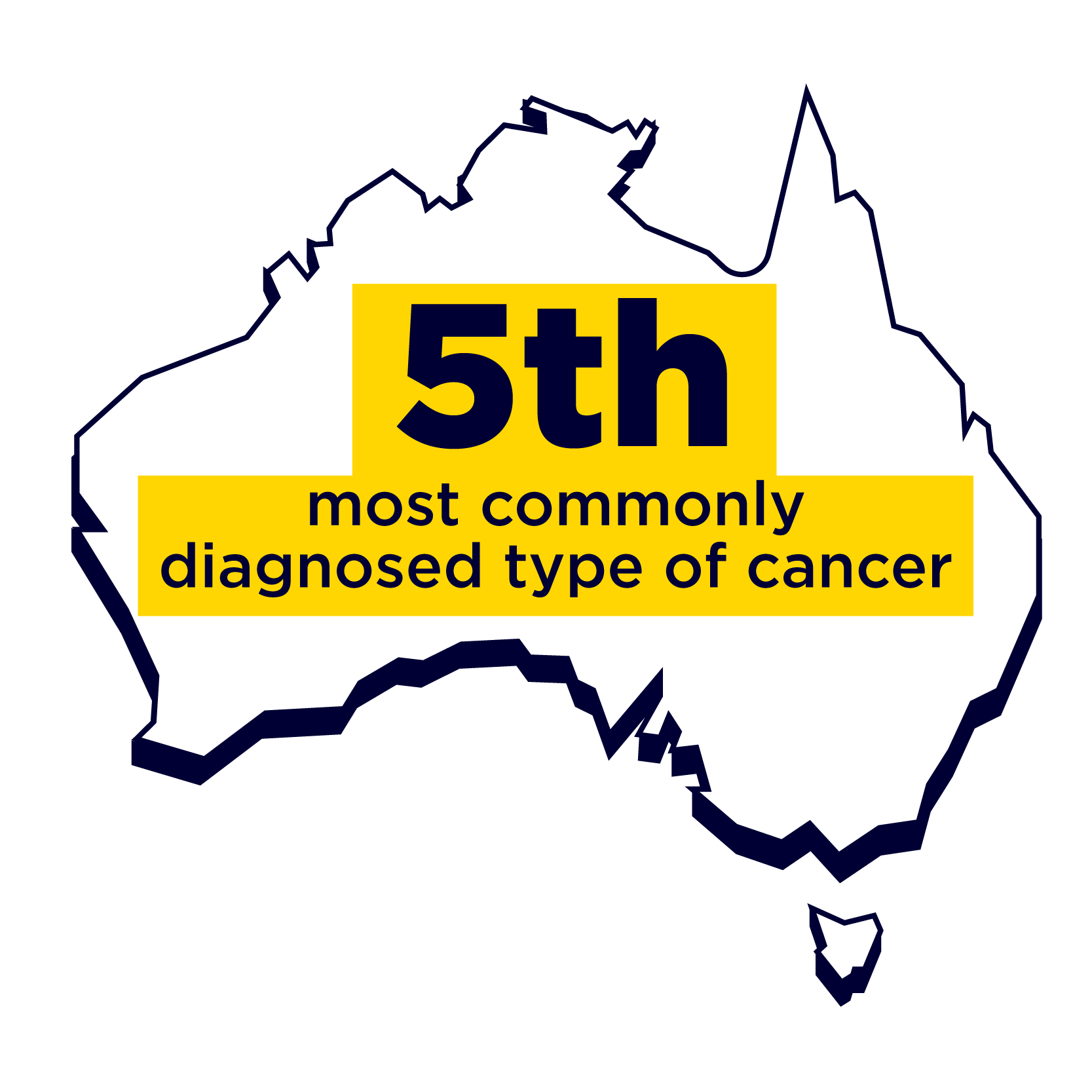
Lung cancer occurs when abnormal cells grow and multiply in the lungs, forming tumours that affect breathing and cause chest pain.1 In Australia, lung cancer is the leading cause of cancer mortality and the fifth most commonly diagnosed type of cancer. The average age at diagnosis is 72 years old.2 Lifestyle and occupational factors, like exposure to tobacco smoke and asbestos, can increase someone's risk of getting lung cancer. However, lung cancer can also occur in younger people and people with no known risk factors. Because lung cancer can affect anyone, it is essential that the people involved in research reflect the diverse backgrounds, ages, and life experiences of people living with lung cancer.
'Lisa was diagnosed with stage IV lung cancer (the most advanced form of the disease) at 32 years of age. Having always led an active lifestyle, never smoked a cigarette in her life, had no known risks factors and working in allied health, the diagnosis came as a massive shock. Lisa generously gives her expertise and tireless work ethic to engage with a variety of organisations to advocate for change, promote the importance of consumer engagement in medical research, including consumer assessment in grant review, and reducing the stigma for people diagnosed with lung cancer'. Dr Tracy Leong Austin Health
Transforming research methodology through lived experience
Identifying and prioritising
- Dr Tracy Leong approached Lisa about creating a study involving the collection and analysis of tissue samples to better understand treatment and resistance in lung cancer.
- Lisa suggested including liquid biopsies in this study and connected Dr Leong to a leader in the field.
- Lisa suggested and brought together a group of diverse consumers to help deliver the idea.
Design
- The team of researchers and consumers met regularly for 2 years, continually bringing new ideas to the table.
- Every 6 months, the researchers shared a scientific presentation in plain language to ensure mutual understanding with the consumers.
- Consumers ensured the research was designed to minimise people with lung cancer undergoing invasive procedures and unnecessary burden.
Developing the grant proposal
- Originally, the biobank was going to be based in Victoria only.
- Lisa advocated for the project to be a national initiative that could later become international.
- Lisa was named as a co-applicant on the grant as a result of her involvement.
Analysing and interpreting research
- The 6-monthly plain language presentations are still ongoing where consumers can ask questions about the work and results.
- New projects are always presented to the consumer committee for verbal and written feedback at their earliest stage.
- Two consumers sit on the governance committee.
Undertaking the research
- Lisa led the development of a strategic plan and terms of reference for consumer involvement throughout TRACKER. This plan took into account diversity, cultural inclusivity and succession planning.
- She developed consultative approaches to ensure community representation in the project, particularly with CALD communities and Aboriginal and Torres Strait Islander people.
- Lisa also set up partnerships between the research team and consumer organisations.
Dissemination, implementation, monitoring and evaluation
- Often thought to occur at the very end of research. In the TRACKER study, these activities are occurring throughout.
- Consumers are involved in disseminating information about the research through the annual TRACKER Tales newsletter and as co-authors on abstracts.
- Receiving MRFF funding allowed implementation of the biobank that underwent 2 years of planning and design, and has led to many sub-projects.
- The impact of consumer involvement is monitored and evaluated against measurable goals as per the strategic plan.
1 Overview - Lung Cancer - Lung Foundation Australia
2 Lung cancer | Causes, Symptoms & Treatments | Cancer Council
Nra:gi Ya:yun (healthy foods): Co-designing a Diabetes remission Initiative on Ngarrindjeri Country
The research and its impact
Diabetes is a chronic health condition affecting about 1 in 20 Australians.3 The prevalence of Type 2 Diabetes (T2D) is three times higher in Aboriginal communities. This has led to a mortality rate five times higher than non-Indigenous Australians.3
Involving Aboriginal and Torres Strait Islander peoples in research is essential for addressing health inequities. It also ensures culturally appropriate research, centring on community priorities. Currently there are limited health programs in Australia aimed at T2D remission and many do not meet the needs of Aboriginal and Torres Strait Islander peoples.
Answering a call from Ngarrindjeri Elders and leaders for a community-designed program based on cultural determinants of health, the Nra:gi Ya:yun was initiated. The project aimed to address inequities due to diabetes in the community.
Supported by funding from the Australian Government Department of Health, Disability and Ageing under the Medical Research Future Fund (MRFF), the project brought Aboriginal Elders and senior community representatives together with Aboriginal and non-Indigenous clinicians, researchers, and other health professionals. Together, they co-designed a targeted T2D remission program for Aboriginal people on Ngarrindjeri country.
The Indigenous research method of yarning was used to explore the lived experiences of Aboriginal people with T2D living on Ngarrindjeri country. This allowed the team to understand the enablers and barriers to diabetes care.
Centring Indigenous knowledge, the program then used strength-based approaches and Knowledge interface methodology to combine Aboriginal dietary knowledge with recent scientific evidence on the effects of ketogenic diets on diabetes remission.
To ensure community ownership and control into the future, the project also focused on capacity building for local Aboriginal people living on Ngarrindjeri country – providing training and upskilling on using technology, along with implementing the identification, education, and monitoring approaches.
The results of this project will be published soon.
What is diabetes?
Diabetes is a chronic health condition where there is too much glucose in the blood. Glucose is a type of sugar that our bodies use for energy.
So our bodies can use glucose, the hormone insulin acts like a key to ‘unlock’ our cells. This allows glucose to enter the cell and be used for energy.
When a person has diabetes, their body is either unable to make, make enough of, or effectively use insulin. Over time, high glucose levels in our blood can lead to damaged vessels and nerves. This results in health complications including heart, kidney, foot and eye damage.
Yayan for the Mi:wi

Committed to community-led research translation, the team commissioned artwork from Ngarrindjeri Artist, Talia Scriven, to communicate the key messages of their research into a culturally meaningful way. Read more about the story of this artwork by visiting the Flinders University community engagement website.
3 Australian Institute of Health and Welfare (2024) Diabetes: Australian facts, AIHW, Australian Government, accessed 23 May 2025.
Working alongside people with intellectual disability to improve health outcomes
The research and its impact
In 2018, a team of lived experience researchers, clinicians, and academics at the Australian Institute of Health Innovation at Macquarie University started collaborating to design research to improve healthcare quality for people with intellectual disability and help them to share their experiences. One way that patients can provide feedback on their experiences is through patient reported experience measures (PREMs).
PREMs use feedback from patients to improve healthcare services. They are usually conducted as surveys. PREMs assess things like whether a patient felt safe, listened to, and cared for. They also help to identify harm and distress caused by healthcare.
In 2022, Professor Reema Harrison and her team reviewed PREMs that are currently used in healthcare, and found a major gap:
- No PREMs had been designed for or with people with intellectual disability.
- Existing PREMs were not suitable for use by people with intellectual disability because:
- the surveys had too many questions (as many as 80)
- the language was too complex
- the surveys did not have features that make them easier to use, like large checkboxes and images.
In 2024, Macquarie University received a grant supported by funding from the Australian Government Department of Health, Disability and Ageing under the Medical Research Future Fund (MRFF) and launched the Listen to Me project. People with intellectual disability are leaders within the Listen to Me team and work alongside clinicians and academics. A major piece of work undertaken by the Listen to Me team was developing a new PREM survey designed for people with intellectual disability for use in Australian hospitals. This survey:
- has a small number of targeted questions (8)
- was co-designed and tested by people with intellectual disability, their families, and carers
- is available digitally and can be completed using accessible audio and visual features.
By including people with intellectual disability in developing the PREMs, the researchers made sure the survey is able to be understood and completed by people with intellectual disability. This means that people with intellectual disability can more easily share their healthcare experiences and ultimately benefit from subsequent improvements to healthcare.
'Professor Harrison pioneers innovative approaches to support consumer contributions such as including people with intellectual disability as chief investigators on grants where concepts have been co-initiated, and workshops with specific support mechanisms for people with disability to attend and contribute.' Professor Sakkie Pretorius, Deputy Vice-Chancellor (Research), Macquarie University
What is intellectual disability?
Intellectual disability is defined by limitations to a person’s intellectual functioning and adaptive behaviours. It can cause difficulties with communication, memory, understanding, and problem-solving. Support and adjustments can help people living with intellectual disability to actively participate in society, including in health and medical research.
Sample PREM question
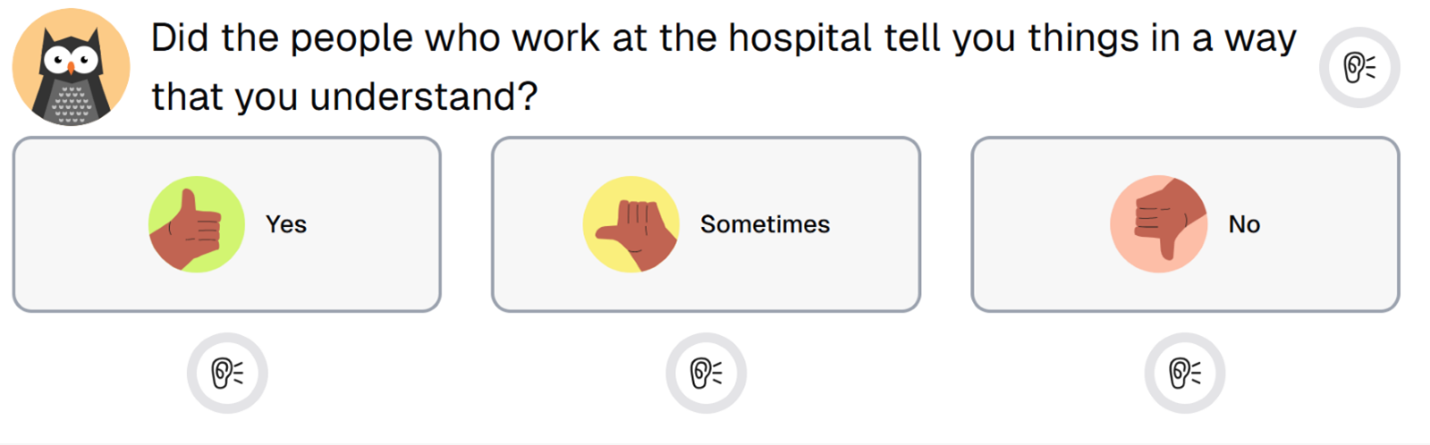
The new PREM survey helps people with intellectual disability tell people how they feel about their healthcare. In the future, the new PREM survey might be used in lots of hospitals. This will help more people to get the care and support they need.
Helping people with intellectual disability talk about their healthcare (Plain language version)
In 2018, a group of people with intellectual disability, doctors, and researchers started working together at Macquarie University. They wanted to make healthcare better for people with intellectual disability. They also wanted to make sure that people with intellectual disability can talk about how they feel about their healthcare.
One way to do this is through something called PREMs. That stands for Patient Reported Experience Measures.
What are PREMs?
PREMs are surveys that ask patients how they felt when they received health care. The surveys ask questions like:
- Did you feel safe?
- Did the doctors and nurses listen to you?
What was the problem?
In 2022, Professor Reema Harrison and her team looked at the PREMs that are used in healthcare. They found some big problems:
- The surveys had too many questions
- The words used in the survey were hard to understand
- The surveys did not have helpful things like pictures.
These problems meant that the surveys were hard for people with intellectual disability to complete. If people with intellectual disability cannot complete the surveys, their feelings cannot be shared with people who can make healthcare better.
What happened next?
In 2024, Macquarie University started a new project called Listen to Me. People with intellectual disability worked with researchers to make the PREMs better. Together, they made a new survey. This survey is easier for people with intellectual disability because:
- It only has 8 questions
- It uses simple language
- It has pictures that make the questions easier to understand.
A person with intellectual disability might have trouble with:
- Understanding things
- Talking and communicating
- Remembering things
- Solving problems.
With the right support, people with intellectual disability can participate in lots of activities, including research.
Healthcare helps people stay healthy or get better when they are sick. It might include:
- Going to the doctor
- Going to the hospital
- Taking medicine.
Here is one of the questions from the new survey:
The new PREM survey helps people with intellectual disability tell people how they feel about their healthcare. In the future, the new PREM survey might be used in lots of hospitals. This will help more people to get the care and support they need.
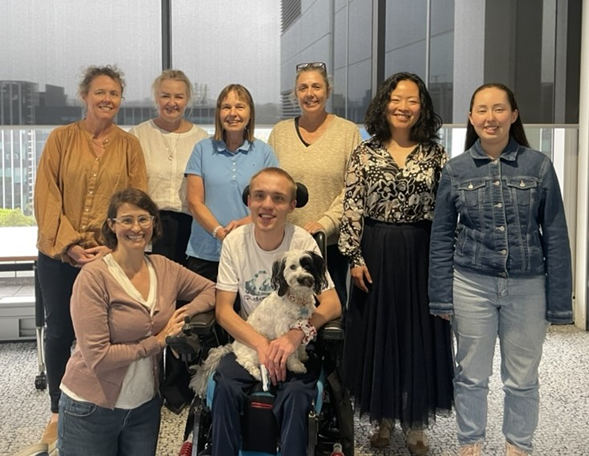
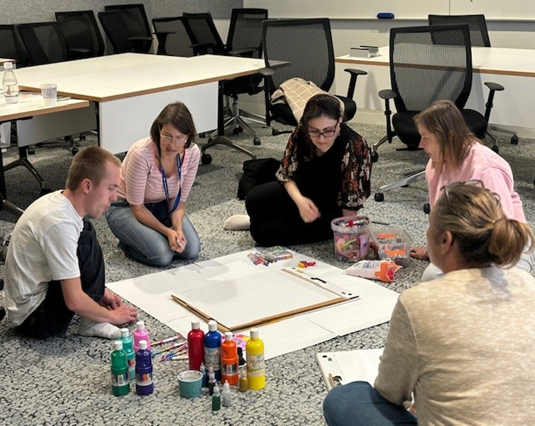
Here are some photos of the team working together:
Building partnerships in cerebral palsy research
CP-Achieve is an NHMRC-funded Centre of Research Excellence dedicated to improving the lives of young people with cerebral palsy through research. In a new resource, Navigating consumer involvement in health and disability research, CP-Achieve shares success stories, challenges faced and strategies for effectively involving people with disability in research. Two of these success stories are highlighted in the following case studies.
Case study 1 - Gaurav Thakkar and James Czencz
Gaurav is a consumer research partner with lived experience of cerebral palsy, and James is a PhD candidate. Gaurav and James worked together to research how physical activity can improve the lives of people with cerebral palsy. Their partnership improved the research and led to a lasting friendship.
When James first approached CP-Achieve for assistance with his PhD, he had no previous experience with consumer involvement in research. CP-Achieve connected James with Gaurav, who had been part of CP-Achieve’s advisory group of young adults with cerebral palsy, ‘CP Unite’, but had not yet worked on a research project in an ongoing way.
One of James’ studies involved interviewing adults with cerebral palsy that use wheelchairs about their wants and needs when participating in physical activity. Gaurav gave feedback to James on the style and approach of interview questions. This ensured that the questions were relevant and easily understood by people with cerebral palsy.
Before James started formally interviewing people, he and Gaurav trialled the questions together. At this point, James realised how important consumer involvement was to his research. Trialling the questions allowed James to build skills and confidence and improve the interview process, guided by people with lived experience.
The research also led to new experiences for Gaurav, including presenting at conferences, and going surfing and snorkelling, while travelling interstate for the first time. Gaurav and James have travelled together twice as part of the research:
Port Campbell beach inclusion day: James and Gaurav trialled a range of beach-related physical activities at Port Campbell Beach. This sparked James’ interest in developing an aquatic-based physical activity program for people with cerebral palsy in the future.

Australasian Academy of Cerebral Palsy and Developmental Medicine (AusACPDM) Conference: James and Gaurav travelled to Cairns together to present the results of the research they collaborated on.
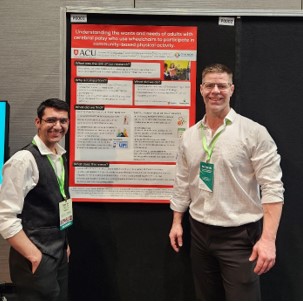
Gaurav and James have also made a video about researching together. View the Building confidence in consumer involvement - YouTube video.
'Gaurav practiced the interview with me, providing feedback on my technique. This was when I learned how beneficial consumer involvement can be to research. It gave me the opportunity to practice the interview, receive constructive feedback and build my confidence before conducting interviews with actual participants.' James Czencz
Case study 2 - Involving young adults who use augmentative and alternative communication in research
One-third of people with cerebral palsy have complex communication needs. This means that they cannot communicate through speech alone and use augmentative and alternative communication (AAC). AAC refers to the range of ways a person communicates besides talking. It may be augmentative, meaning that it adds to spoken communication, or an alternative to spoken communication. Examples of AAC tools include text to speech apps, symbol-based communication techniques like picture boards or apps, gestures, facial expressions and Key Word Signing.
People with cerebral palsy who use AAC are under-represented in cerebral palsy research. Sometimes, researchers are hesitant to involve AAC users because they are afraid of saying or doing the wrong thing. This means many people with cerebral palsy face missing out on shaping research that impacts them.
One Group, Our Voice
CP-Achieve established a consumer advisory group of AAC users to address the gap in their involvement in health research. This group is called One Group, Our Voice. The four group members worked with researchers to co-produce a series of resources to support involvement of AAC users as research partners and participants in research. One Group, Our Voice was involved in all stages of the project, from design right through to sharing the results. Together with researchers, the group members produced:
- an inclusive research toolkit for involving AAC users in research
- a journal article and supplementary plain language video
- presentations and webinars about the resources.
These resources have enabled AAC users to be involved in research projects at CP-Achieve. One of these focused on mental health needs of AAC users. Because the AAC users were involved from the very beginning, they were able to shape the research so that it didn’t focus only on mental health problems, but also on promoting positive mental health for AAC users. Their input influenced the research direction to ensure it aligned with the needs and priorities of AAC users. The co-produced resources will also promote inclusion of people with complex communication needs in health and medical research more broadly.

What is cerebral palsy?
Cerebral palsy is a lifelong neurological condition that affects the way a person moves and their posture. It is caused by an injury to the brain, which can occur before, during or soon after birth. The symptoms and severity of cerebral palsy vary from person to person. People with cerebral palsy may experience muscle stiffness, uncontrolled movements, difficulties with speech and swallowing, problems with hearing and vision and intellectual disability. Health and other professionals work alongside people with cerebral palsy and their families, throughout the lifespan, aiming to achieve their goals for participation in life and the community.
'Our aim was to enable young people with cerebral palsy and complex communication needs to shape the priorities, direction, implementation and communication of research which will make a difference to their quality of life, wellbeing and participation, and that of other young people.' Megan Walsh, CP-Achieve researcher
Empowering the future: Co-designing interventions and research to improve the health and wellbeing of young people
The work and its impact
The Youth Well Lab works in partnership with young people aged 10–24 years to co-design research and policy to improve their health and wellbeing.
The team includes multidisciplinary researchers and young people. Together they use digital health technology and diverse methods to co-design health interventions and contribute to health research that meets the unique needs of young people.
Young people are supported to strengthen leadership and research skills by co-leading all phases of the research cycle. This includes agenda setting through to translating research findings into practice.
Recognising the importance of involving young people in shaping research that affects them, the Health Advisory Panel for Youth at The University of Sydney or ‘HAPYUS’ was established and embedded within the team to advise, support and co-lead research.
These collaborations have resulted in many positive outcomes including:
- the co-design of health interventions and health research
- co-authoring of peer-reviewed publications with young people
- contributing to the development of national guidelines on youth participation
- leading youth advocacy on a global scale.
A key example is the team’s Health4Me program, a six-month digital health intervention funded by the Australian Government Department of Health, Disability and Ageing under the Medical Research Future Fund (MRFF). It aims to improve key health behaviours in young people to reduce chronic disease risk later in life. This grant helped establish HAPYUS, who identified the major lifestyle health issues faced by young people today, drawing on their everyday realities. These key insights were used to co-develop a healthy lifestyle text-message intervention. The results of this study are soon to be published.
Beyond digital health, HAPYUS also contributed to the team’s food environment research program, including helping interpret findings on school food outlet exposure and reviewing results from 70 global studies on food environments. This ensured youth perspectives informed their analyses.
Importance of involving young people in health research
Effectively involving young people in health and medical research is important. It makes sure that the interventions, health research and policies developed meet their needs and experiences.
Due to their lived experience, young people can provide valuable insights into the challenges and concerns they face about their health and wellbeing. They can, should, and have a right, to collaborate on health research and policy aimed at improving the lives of themselves and their communities.
Involving young people in health and medical research supports a new generation of informed leaders, who will contribute to and shape future health and wellbeing outcomes.
The team are currently developing the Health Hive supported by a consumer-led MRFF grant to develop Australia’s first digital training and engagement platform to support adolescents as active contributors across all phases of health research.
'The idea of being involved in the scientific community, when we’ve always been told it would need experience and qualifications, was simply wild! Hopefully, our work has inspired many young people to believe in our power to make a change.' Bowen Youth Advisor (2021–2022)
Co-producing guidelines for genomic research with community members
The work and its impact
Involve Australia is a community-led project that aims to improve consumer and community involvement in genomic research. Genomic research spans from basic science to the use and integration of DNA sequencing technology in the health system and beyond.
Sometimes researchers will study medical conditions without ever meeting patients with lived experience of them. Involve Australia aimed to bridge this gap by developing the Guidelines for Community Involvement in Genomic Research (the Guidelines).4 They provide practical guidance for researchers on how to involve community members effectively, leading to community members being valued and forming an integral part of the project. Community members were involved in developing the Guidelines in several ways, including:
- a working group, which brought together community members and researchers to write the Guidelines
- a public consultation to ask the community what they think about being involved in research
- interviews with community members to identify what helps them take part in research, and what the barriers are.
The Guidelines in practice
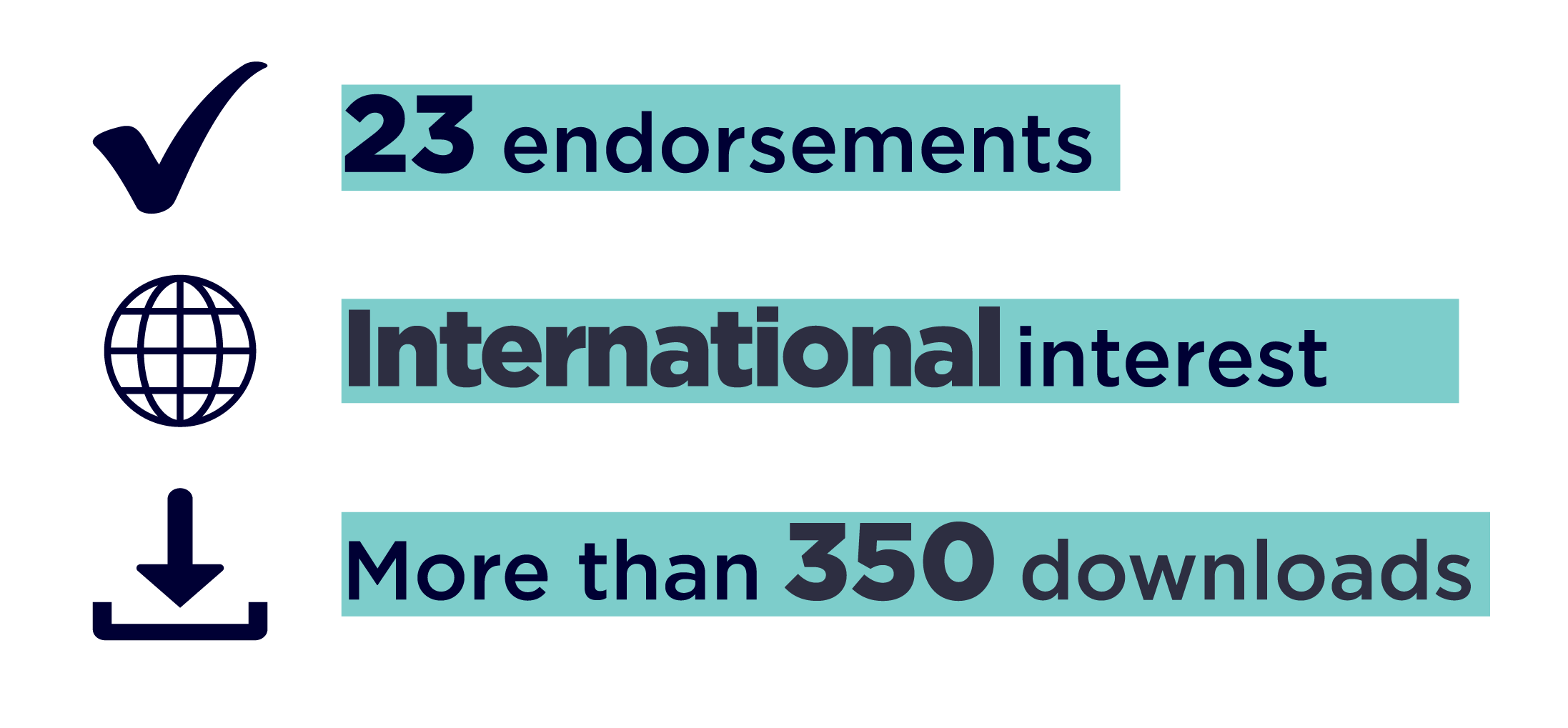
The Guidelines were published in December 2023. The Guidelines have been downloaded more than 350 times and have been endorsed by 23 research and community organisations. They have also attracted interest from genomic researchers in Canada and Japan. Importantly, they have been accessed by researchers and community members in both the genomics field and other areas of health and medical research.
An evaluation study is underway to assess how the Guidelines have been used since they were published. The focus groups conducted as part of the study found that community members involved in research where the Guidelines were used felt valued and listened to and researchers found it useful to have a resource guiding their work, especially when they were new to community involvement. Study findings also suggest that both researchers and community members appreciated the voice and perspectives of the community used within the Guidelines.
What is genomics?
Genomics is the study of many or all of someone’s genes (their genome). Unlike genetics, which looks at individual genes, genomics examines many genes at a time and how they interact with each other and the environment. Genomics can help diagnose genetic conditions that are caused by multiple genes or where it is unknown which gene is causing the condition. Genomics also makes possible practices that are ethically complex, such as human cloning and genetic discrimination, and therefore require community involvement in decision making.
'I particularly like the way the Guidelines have been written from the voice of the community, and as well as providing easy to follow recommendations, the provision of clear examples and additional resources is really helpful. I think this will be a great resource for the genomics (and beyond) research community'. Dr Lisa Melton University of Sydney, Head of Research, Sanfilippo Children’s Foundation (2020–2024)
4 Involve Australia – public involvement in genomic research – Australian Genomics
Connecting people living with hepatitis B to online support and research opportunities
The research and its impact
Associate Professor Thomas Tu is the Chief Investigator A (CIA) on an NHMRC-funded Ideas Grant, where he is testing new treatments that could lead to a cure for hepatitis B. Thomas also lives with chronic hepatitis B. He brings the perspective of a researcher, patient, and community advocate to his research.
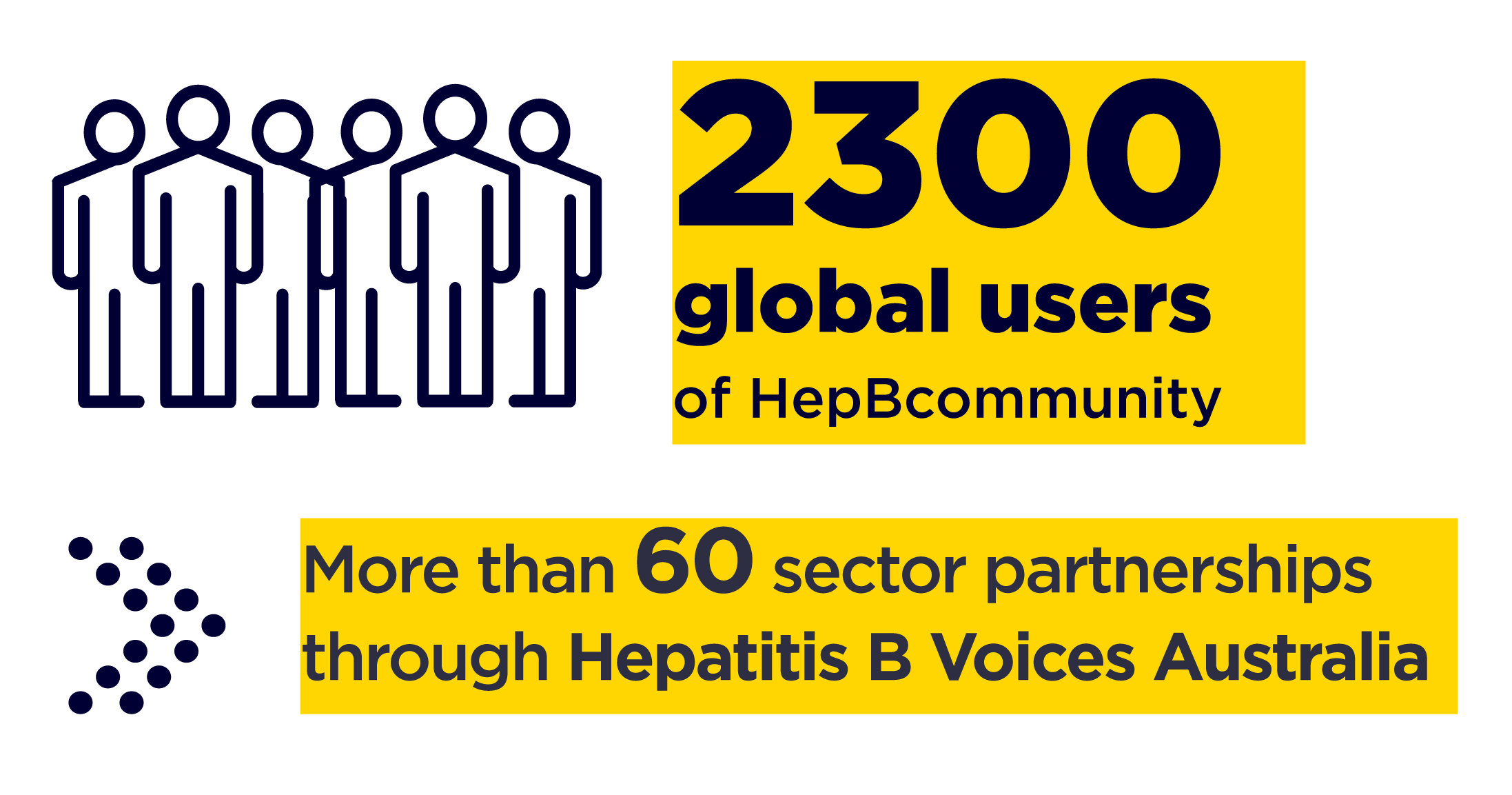
To both support the community and understand the impacts of the condition on people’s lives, Thomas established HepBcommunity.org, an online support network for people living with hepatitis B. This network connects the affected community with peer support, educational resources, and medical and scientific experts. Through this network, Thomas has built a global community of more than 2,300 people. He coordinates a yearly research showcase, where hepatitis B researchers share their research and its findings with people living with hepatitis B.
Thomas is also the co-founder of Hepatitis B Voices Australia, the first Australian community group led by people living with hepatitis B. Hepatitis B Voices Australia has partnered with the research, clinical, and policy sectors on over 60 projects. People living with hepatitis B have been involved in research project design, study recruitment, and public speaking. Through national and international partnerships through Hepatitis B Voices Australia, Thomas recently published an article on best practices when engaging with affected communities, with people living with chronic hepatitis B as a case study.5
What is Hepatitis B?
Hepatitis B is a common liver infection caused by the hepatitis B virus (HBV). It is transmitted through bodily fluid exchange, most commonly during birth or in early childhood. Many people who get hepatitis B clear it within 6 months. But when exposed as newborns or infants, the infection often lasts longer and becomes life-long. People with chronic hepatitis B are at greater risk of developing liver cancer, liver failure, and cirrhosis (scarring of the liver). Globally, diagnosis and treatment rates are low, leading to preventable deaths. Stigma, education, awareness, and advocacy are significant factors that must be addressed to improve health outcomes for people who live with chronic hepatitis B.
'A/Prof Tu has played key roles in developing novel approaches to engage the affected community in research, clinical implementation, and decisions in health policy.' Professor Jacob George, University of Sydney
5 Best practices for engaging with affected communities: chronic hepatitis B as a case study.
Increasing vaccination coverage through consumer-researcher partnerships
The work and its impact
In 2015, Catherine’s four-week-old son, Riley, died from whooping cough (also known as pertussis). In Australia, babies don’t receive their first whooping cough vaccination until they are 6–8 weeks old.6 People can help protect babies from catching whooping cough during this vulnerable period by making sure they and their children are vaccinated. Pregnant women can also get a booster vaccine to pass protective antibodies against whooping cough to their babies.
When Riley was born, whooping cough vaccines were not routinely offered to women during pregnancy. Catherine wanted to change this. She started the Light for Riley campaign, sharing Riley’s story with the media, researchers, and politicians. Her advocacy was a huge success. By 1 July 2018, free whooping cough vaccinations were available to all pregnant women nationwide. In Catherine’s home state of Western Australia, whooping cough vaccination rates in pregnant women increased from 5% in 2014 to 89% in 2020.
In 2017, Catherine started the Immunisation Foundation of Australia (IFA) to raise awareness of other vaccine-preventable diseases, including respiratory syncytial virus (RSV), measles, and meningococcal. IFA collaborates with research institutions including the Kids Research Institute Australia and the National Centre of Immunisation Research and Surveillance (NCIRS) to increase public awareness of vaccination and its importance.
Vaccination awareness campaigns
The impact of Catherine’s involvement in research is clear through the IFA’s awareness campaigns.
RSV awareness week takes place every June. There are free resources about RSV and vaccination on IFA’s website. All these resources have been co-produced by consumers and researchers. This ensures that the resources can be understood by the general public and that they are scientifically accurate.
Whooping cough awareness day is on November 8 each year. The awareness day encourages Australians to check they are up to date with their whooping cough vaccination. This awareness day is needed now more than ever. In 2024, there was a nationwide increase in whooping cough cases, mostly in older children and teenagers.7 While newborn babies are especially vulnerable, whooping cough can cause serious illness in all age groups.
Catherine’s work shows the transformative potential of consumer and community involvement in research. Through her leadership and partnering with researchers, Catherine’s work has led to real-world results: more people getting vaccinated against many diseases including whooping cough. In recognition of her efforts, Catherine was named West Australian’s Young Australian of the Year in 2016, and in 2022 she was appointed a Member of the Order of Australia (AM) for services to immunisation.
'Catherine remains laser-focused on ensuring consumers and the community are at the forefront of all aspects of immunisation into the future, from policy and research to awareness campaigns and immunisation programs. With the development of new vaccines and rise in vaccine hesitancy, her highly driven advocacy – fueled by her own lived experience and characterised by curiosity, courage and a steadfast determination to prevent other families from suffering the loss of a child due to preventable disease – will remain relevant and necessary for years to come.' Professor Jonathan Carapetis, The Kids Research Institute Australia
You can access more resources about vaccine-preventable diseases, vaccines, and awareness campaigns on the IFA website. The National Immunisation Program Schedule is available on the Department of Health, Disability and Ageing website.
6 Pertussis (whooping cough) | The Australian Immunisation Handbook
7 Whooping cough (pertussis) | Australian Centre for Disease Control
The Multiple Sclerosis Research Flagship Consumer Advisory Committee
The mission of the Multiple Sclerosis (MS) Research Flagship ('the Flagship') at the Menzies Institute for Medical Research ('the Menzies') is to reduce the impact of MS on individuals and the community. The Flagship conducts research on the causes, treatment, and prevention of MS, with consumers involved at every stage.
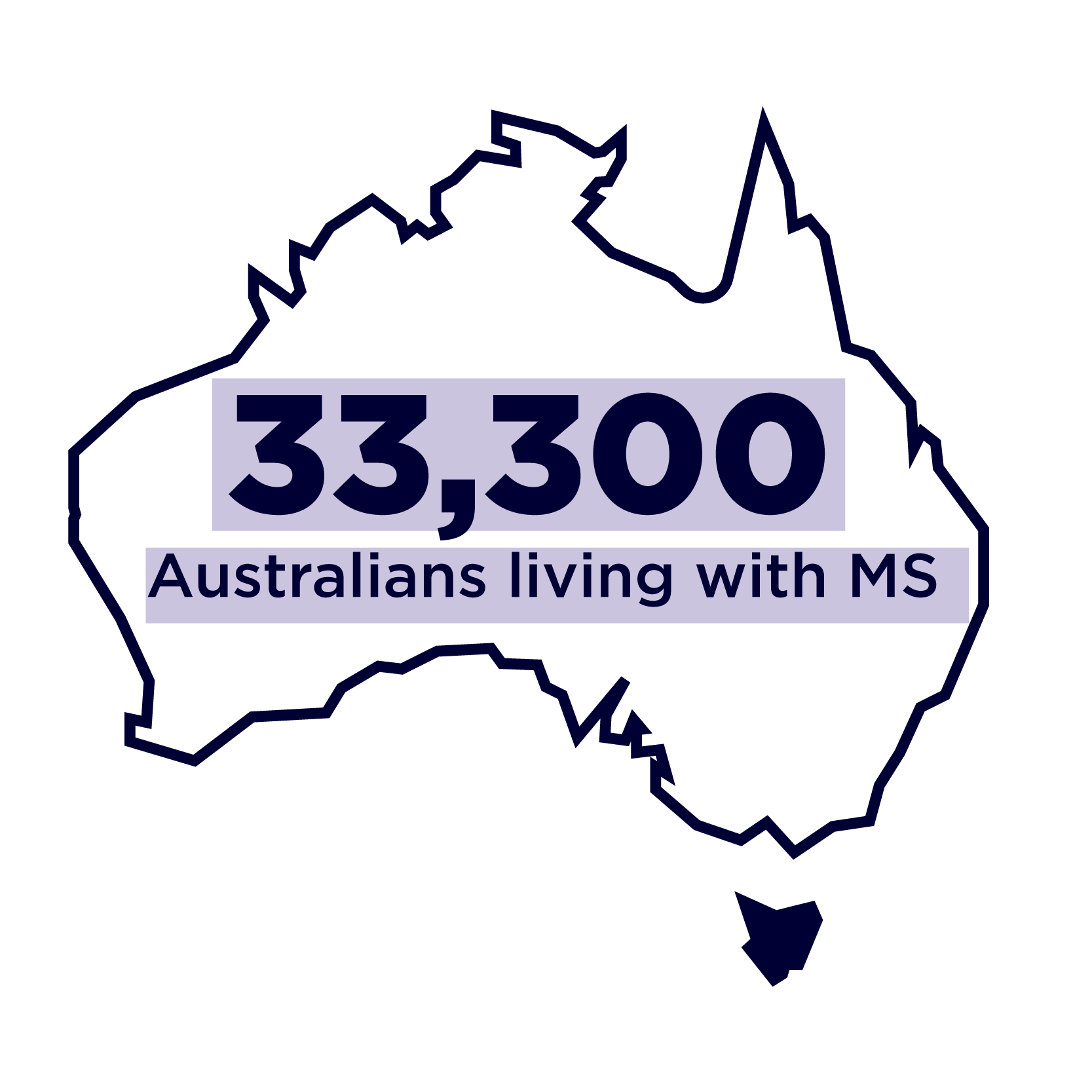
In 2019, the Flagship established a Consumer Advisory Committee (CAC). In 2019–2020, the Flagship received funding from the Australian Government Department of Health, Disability and Ageing under the Medical Research Future Fund (MRFF) for a 5-year Emerging Priorities and Consumer Driven Research Initiative grant. The CAC started with seven members with lived experience of MS. By 2024, this had expanded to 18 members. The CAC provided 1,980 hours of consumer and community involvement between 2019 and 2024, coordinated by the Flagship’s consumer and community involvement manager.
CAC members were involved in all research activities conducted by the Flagship, including:
- identifying research topics that matter most to people with MS
- collaborating as co-investigators on grants and co-authors on publications
- reviewing public facing research materials and plain language summaries
- partnering with laboratory scientists to create a shared understanding of MS and the research significance
- providing their lived experience and advocating for people affected by MS
- contributing to program governance and strategic oversight.
The outcomes of the 2019–2020 MRFF research grant and how consumers were involved were shared with the MS community at an event called Research with Connections held in June 2024. It was attended by 130 people, 80% of whom were consumers. The presentations are available on the MS Research Flagship - YouTube site.
Beyond the 2019–2020 MRFF grant, the vital work of the CAC continues with funding from the National Health and Medical Research Council (NHMRC) Centre of Research Excellence, MRFF, MS Australia, the Menzies and philanthropic funding. CAC members are paid for their contributions and provided with ongoing training and development.
In 2021, the Flagship led the development of consumer and community involvement policy for the Menzies, including agreed values and principles of involvement. A workshop involving equal numbers of researchers and health consumers helped identify the barriers and enablers of involvement. The workshop resulted in a consumer and community involvement strategy that is used across the Menzies. The Menzies employed a consumer and community involvement coordinator and a consumer advisory group (M-CIRCLE) to implement the strategy and evaluate its impact.

Understanding Multiple Sclerosis courses
Some of the Flagship’s most impactful work is the suite of online courses designed to provide free, accessible information to people living with MS, their families, carers and health professionals.
People living with MS co-designed, developed, participated in and tested the courses alongside researchers. They identified priority areas for people living with MS, including biology, pathology, symptoms, diagnosis, risk factors, disease management, and living with MS. The Understanding MS course was launched in 2019. Since then, it has received multiple international awards and achieved global reach and impact.
People who complete the 'Understanding MS' course show a significant improvement in their MS knowledge, health literacy, and confidence communicating. Importantly, people with MS who complete the course report increased self-efficacy (their belief in their ability to complete tasks and achieve goals). The success of the Understanding MS course also led to the co-design of complementary courses:
- Mental Health and MS
- Deciding about Disease Modifying Therapies for MS
- Ageing Well with MS.
The Menzies researchers have also developed similar online courses for Stroke, Motor Neuron disease, and Parkinson’s disease. Funding for the MS courses was provided by the Menzies, MS Plus, MS Australia, MRFF and MS International Federation with support from the Wicking Dementia Research and Education Centre.
What is multiple sclerosis?
Multiple sclerosis is a disease that causes damage to the protective covering of nerves called the myelin sheath. When the myelin sheath is damaged, it breaks down leading to loss of nerve cells and support cells and scar tissue formation; known as sclerosis. Sclerosis prevents normal flow of electrical impulses along the nerves, resulting in clinical symptoms including problems with vision, fatigue, pain, sleep, cognition, and difficulty walking. The symptoms and their severity vary widely between people living with MS. Because people experience MS differently, it’s essential they are involved in MS research to ensure it reflects the diversity of their needs and experiences. In turn, this enhances the reach and accessibility of the research and relevance and impact of findings.
Top tips for researchers and research institutions
- Start early and allow plenty of time for genuine consumer and community involvement.
- Building trusting relationships and shared understanding is key.
- Be clear about the commitment, what’s involved, the outcomes you’re aiming to achieve, and the level of reimbursement and support offered.
- A consumer and community involvement request form can help seek expressions of interest and start the conversation, with further development of a plan done in consultation with your consumers.
- Invest in consumer and community involvement and plain language training for researchers and consumers.
- A consumer and community involvement coordinator or manager that balances the needs of the consumer with the needs of the research is vital. They also provide a safe space for reflection and feedback.
- Listen as much as you speak.
- Provide feedback to consumers regularly and acknowledge the contributions they’ve made.
- Institute leadership and support is critical.
Understanding MS course
- Launched in 2019
- More than 60,000 enrolments from 187 countries
- Average completion rate of 40% with a 5/5 star rating on Class Central
Of people who have completed the course (as of September 2024):
- 94% rate the course quality as high
- 97% would recommend it to others
- 88% agree the course could improve quality of life
- 94% improved MS knowledge
- 98% expressed satisfaction with the learning experience.
NHMRC Consumer Involvement Award recipients
The NHMRC Consumer Involvement Award is a Biennial award that recognises an individual or an organisation that has made a long-term contribution to consumer and community involvement in health and medical research. The Queensland Aphasia Research Centre received the award in 2023, followed by Professor James St John of Griffith University in 2025.
The Queensland Aphasia Research Centre, The University of Queensland
Aphasia is an acquired language difficulty that affects a person’s ability to communicate. It can affect how a person speaks, their understanding, reading and writing. Aphasia is caused by damage to the language areas of the brain. This can be because of stroke, brain injury, or other damage to the brain. Communication is important, and aphasia can have a devastating impact on a person living with aphasia and their family and friends.
Acknowledging this impact, the Queensland Aphasia Research Centre (QARC) works with people living with aphasia, their friends and family, clinicians, researchers and other allied health professionals to identify the priorities and needs of aphasia services in Queensland and beyond, and to co-design health interventions. These innovative and effective interventions aim to improve the lives of those living with aphasia, and their families and friends.
Read more about the important work QARC is doing by visiting the QARC website.
Professor James St John, Griffith University
The spinal cord is a bundle of nerves and fibres that runs down the back of the body. Its job is to carry messages from the brain to the rest of the body. Spinal cord injuries can lead to permanent loss of strength, sensation and function below the level of injury. People living with spinal cord injury can be impacted by depression, loss of independence and reduced employment and education opportunities.
Currently, there is no clinically available therapy for spinal cord injury.
Identifying this unmet need, Professor James St John established a consumer involvement program, engaging with people living with spinal cord injury, to co-design an innovative spinal cord injury cell transplantation therapy. This has led to a world first phase I clinical trial that will test the safety and feasibility of implanting cellular nerve bridges into the chronically injured spinal cord.
Listen to Professor St John discuss his research in NHMRC’s Speaking of Science Webinar on Empowering consumers in health and medical research.