We're changing the way Sapphire looks
Same platform, new visual identity. Learn more: Sapphire is becoming NHMRC Grant Management System.
We're changing the way Sapphire looks
Same platform, new visual identity. Learn more: Sapphire is becoming NHMRC Grant Management System.
This section details the actions you can take to improve the environment at your education and care service and prevent the transmission of infection through the air, on surfaces and in food.
The germs that cause some diseases spread through tiny particles that are so light they remain suspended in the air. Diseases such as measles, chickenpox and COVID-19 can be spread when people breathe in air contaminated with these particles. This is called airborne transmission.
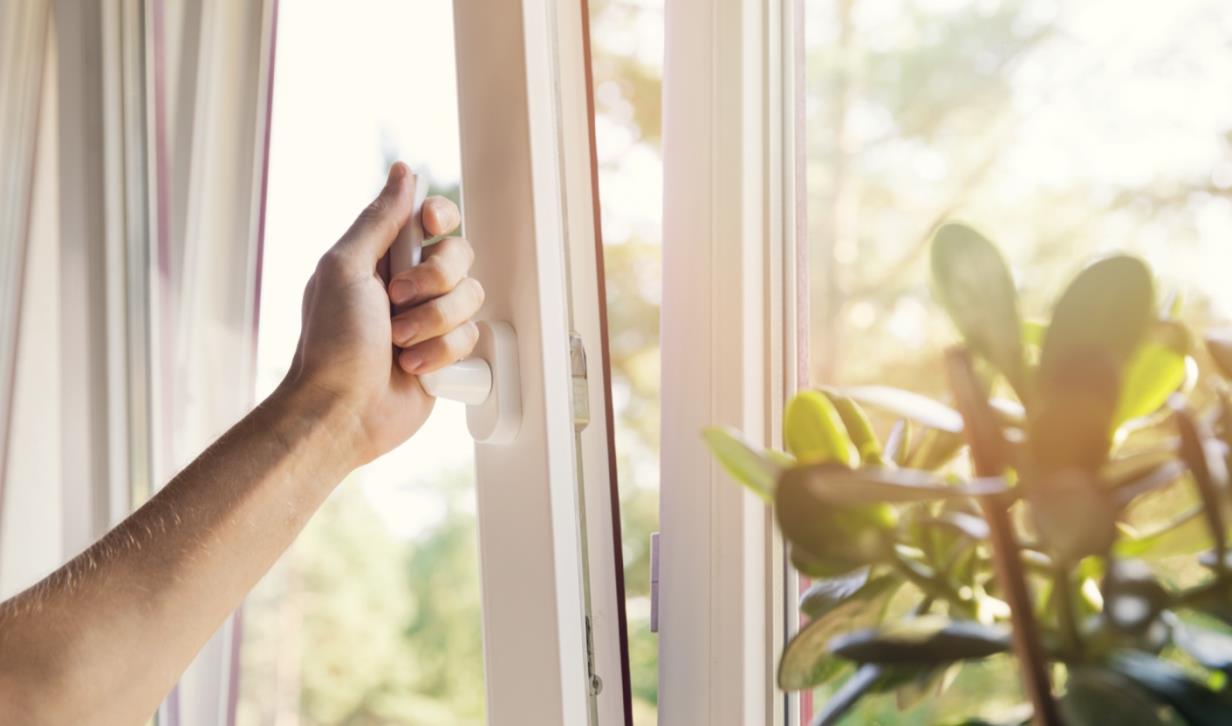
Ventilating indoor spaces with fresh air reduces the risk of airborne transmission.17 Frequently bringing in fresh, clean air dilutes the concentration of the tiny particles and they can no longer spread disease to other people.
There are 3 ways to improve ventilation:18
Use natural ventilation wherever possible. Mechanical methods may be useful when natural methods are not practical due to the weather or if the building design does not encourage airflow.
Some education and care services may have air purifiers, which can be helpful when natural methods are not practical. Air purifiers are effective at removing airborne germs but must be used correctly and maintained properly to stay effective.
Using outdoor areas as much as possible can also help minimise the spread of airborne infections.
Ventilation requirements for early childhood centres are outlined in the ACECQA Quality Area 3 – ‘Physical environment’ and the National Construction Code. See Quality Area 3 for further advice on ventilation.
Some harmful germs can survive for periods of time in the environment, usually on surfaces such as benchtops, doorhandles and toys. How long a germ can survive on a surface depends on the type of germ, the type of surface, temperature and humidity, and how often the surface is cleaned. Regular cleaning reduces the number of germs in the environment and breaks the chain of infection.
Routine cleaning should be done daily and when surfaces are visibly dirty.
Cleaning and disinfection should be done after any spills of body fluids (urine, faeces, vomit, blood, breastmilk).
If there is a disease outbreak, your local public health unit will advise on cleaning procedures. To break the chain of infection during a disease outbreak, education and care services may need to do a thorough cleaning process that goes beyond routine cleaning practices.
You should have ready access to cleaning equipment and products, even if an external provider usually cleans your service.
Appropriate cleaning equipment for education and care services includes:
Keep cleaning equipment well maintained, clean, and stored in a way that allows it to dry between uses.
Consider colour-coding the cloths and sponges for each area so that it is easier to keep them separate. For example, bathroom is red, kitchen is green, general is blue and yellow is infectious.
Wear utility gloves when cleaning. Wash your hands after taking the gloves off. Utility gloves should be washed and dried between uses.
Cleaning products suitable for use in education and care services include:
When choosing cleaning products, always consider the product’s effectiveness against harmful germs. Appropriate cleaning products for education and care services are those that are specifically labelled and intended for cleaning. These cleaning products have consistent and standardised ingredients that are effective against germs.
Do not use domestic kitchen products such as vinegar or bicarbonate of soda as cleaning products – they are not as effective against germs.19
Always use the products at the right strength (that is, diluted correctly) to ensure they are effective. Follow the instructions on product labels and use the product correctly and for the correct purposes.20
Store all cleaning products appropriately, away from children.
Education and care services can consider environmental sustainability in their service.21 For the Staying healthy guidelines, this is most relevant in cleaning procedures.
Single-use products such as cleaning cloths are the safest to use to break the cycle of infection. But multiple-use products can also be effective, if they are washed and dried properly between uses.
Services can buy sustainable supplies, such as:
Clean up any spills of body fluids immediately.
Clean these types of areas frequently:
Table 3.1 shows how often to clean various surfaces and areas.22 If a separate organisation provides or supervises cleaning services for your service, tell its cleaning staff about the requirements in Table 3.1.
Routine cleaning (also called environmental cleaning) is regular cleaning that reduces the number of harmful germs that survive on surfaces in the education and care service.23 Spills of any body fluids need extra cleaning.
‘Hard’ surfaces are surfaces that are waterproof or impermeable to liquid. They include tables, hard floors, taps and basins. A surface that is waterproof but feels soft (such as a vinyl sofa) is a ‘hard’ surface for cleaning purposes. Hard surfaces are recommended for education and care services to make cleaning easier.
Routine cleaning with detergent and water, followed by rinsing and drying, is the best way to remove harmful germs from hard surfaces.
Basic steps for routine cleaning of hard surfaces:
Some education and care services wipe tables and other areas associated with food with food-grade sanitiser after they are cleaned with detergent. While this is not required to stop the spread of infection, it is important to follow the policies and procedures for your service.
Make up fresh detergent and water every day in a clean, dry container. The mixture should be made up fresh daily to stop germs from growing in the container. Label the container with the time and date of mixing and the type of detergent. Empty out any mixture from the previous day and rinse the container before refilling. Do not top up the container with water during the day because this dilutes the mixture, making it less effective.
If you are using the mixture in a spray bottle, spray the surface heavily and rub it. Spraying a surface with a fine mist and then wiping it dry with a cloth or paper towel is not enough to dislodge germs.
Warm water is recommended when cleaning because this makes it easier to remove dirt from a surface. However, cold water and a little extra scrubbing can also clean effectively.
Start the cleaning process in the cleanest areas and finish in the dirtier areas. This helps to prevent cross-infection because it decreases the risk of contaminating a clean room with germs from a dirty room.
‘Soft’ materials can absorb water and other liquids, and are usually made of cloth.
Common soft materials used in education and care services include sheets, towels and tea towels. Most of these should be washed every day (see also When to clean).
Wherever possible, other soft materials in the service should be removeable to allow laundering. For example, items such as sofas, soft chairs and beanbags should either be made of impermeable materials or have removable cloth covers that are laundered regularly.
Effective laundering involves:
You do not need to wash contaminated cloth items separately as long as the water is at the correct temperature and the correct amount of detergent is used. This applies to cloth items used by a child who is sick or that are contaminated with body fluids. Examples include bed linen used by a child with a respiratory infection or gastroenteritis, or a towel with blood or vomit on it.
For more on cleaning specific soft items, see the relevant sections in Special considerations:
Accidental spills of body fluids – including blood, vomit, urine and faeces – are common in education and care services.
All body fluids should be treated as if they are infectious. Promptly removing the spilled substance and cleaning and disinfecting the area reduces the risk of spreading infection to other children and staff.24
Have a spill kit handy for educators and other staff to use. The spill kit can be a bucket filled with all the necessary equipment to clean up a spill, including:
You may also want to include a disposable apron in the kit to protect staff and their clothes. For large spills, have absorbing agents such as kitty litter or large disposable pads readily available.
When a spill occurs, clean it up as soon as possible. Place a safety sign around the spill to keep people away until it can be cleaned.
The process is the same for spills on hard or soft surfaces.
Avoid direct contact with body fluids when you are cleaning the spill. Cover any cuts or abrasions on your hands with waterproof dressings, and wear gloves. You do not need to use protective equipment (for example, face shields or eyewear) when cleaning, but eyewear is recommended if body fluids may splash into your eyes.
You must clean first, before using disinfectant. It is harder for the disinfectant to reach and kill germs if you have not wiped up the spill, removed any dried or caked-on material, and cleaned the surface well first.25
Some disinfectants combine the active ingredient with a detergent to allow for cleaning and disinfecting at the same time. These are common in hospitals but are not used in many education and care services. If they are used in your service, you can use them without cleaning the surface with detergent and warm water first.
Disinfectants are chemical substances used to destroy harmful germs. Each disinfectant has an active ingredient that attacks germs.
To kill germs, any disinfectant must be:
Education and care services can use either a commercially available general-purpose disinfectant or bleach to wipe the area after a spill of body fluid:
Do not use domestic kitchen products, such as vinegar, as cleaning products or disinfectants.
Disinfectants may also be needed for more intense cleaning during disease outbreaks. If there are 2 or more cases of gastroenteritis in the education and care service, refer to your state or territory public health guidelines for the management of gastroenteritis outbreaks in education and care services or contact your local public health unit who will provide further advice.
Always:
Never use bleach in a spray bottle. Do not use hot water to dilute bleach, and do not mix bleach with any other chemicals. Bleach is corrosive, so do not use it on metals other than stainless steel.
Some areas and items in education and care services need special consideration to prevent the spread of infectious diseases.
Clean bathrooms and toilets at least once a day, and more often if they are visibly dirty.
To keep the nappy change table clean:
For more details on nappy changing procedures, see section 2.5 Nappy changing and toileting.
Outdoor areas should be cleaned according to the type of surface:
Spraying cleaning products or disinfectants in outdoor areas, is not necessary or effective.26
Ensure there is no stagnant water in outdoor areas.
After playing outside, children should wash their hands with soap and water.
Sandpits can be a source of fun and stimulation, but they are also a potential source of infection. Keep them clean and well maintained. Sand should be at least 50 cm deep.27
Cover sandpits with a tight-fitting animal- and vermin-proof cover when the education and care service is unattended. This prevents contamination from animal faeces and protects sandpits from accumulating sharp or dangerous objects, such as large sticks and broken glass.
Rake sand every day and expose it to the sun to help kill harmful germs. Raking helps with screening for foreign objects and contamination.
Remove any sand that is contaminated by:
Use a shovel and dispose of the sand in a plastic bag. If the sand has been extensively contaminated, such as through a large spill of body fluids, replace all the sand.
Dig deeply through sandpits at least once a month to reduce moisture in the sand and allow exposure to sunlight.28 Replenish the sand when the level drops 10 cm below the top edge of the sandpit.
Carpets and mats should be vacuumed daily and steam cleaned at least every 6 months. Curtains should be washed every 6 months and when they are visibly dirty. Spot-clean carpets, mats and curtains if a small area is visibly dirty.
Clothing can carry harmful germs, so regular laundering of staff clothing, aprons and childrens dress-up clothes is recommended. All items should be laundered as soon as possible if there is a disease outbreak.
Follow this procedure to clean a child who has got body fluids on themselves and a cot.
All crockery, cutlery and serving utensils should be washed after every use. No special treatment is needed for items that have been used by people who are sick, if the water is at the correct temperature.
If the service has a dishwasher, all items should be washed on a hot setting (≥60 °C) and dried before using again.
If the service does not have a dishwasher, all items should be washed in hot water with dishwashing liquid, and dried completely before storage or reuse. They can be dried on a drying rack or using a clean tea towel. Do not use soiled or wet tea towels. Used tea towels should be washed and dried every day.
Make sure that all cushions, including large floor cushions, have removable cushion covers. Change and wash these regularly, as well as when they are soiled with body fluids or are visibly dirty (see Table 3.1).
Never let children share dummies. When not in use, store dummies in individual plastic containers labelled with the child’s name. Store dummies out of children’s reach, and do not let a dummy touch another dummy or toy.
Wash linen (such as sheets and towels) in detergent and hot water. Do not carry used linen against your own clothing or coverall – take it to the laundry in a basket, plastic bag or alternative carrier.
Wear gloves when handling linen with faeces on it. If washed at the education and care service, linen with faeces on it should be:
If linen with faeces on it is to be washed by a laundry service or at the child’s home, place it in a plastic bag or waterproof bag for transport.
Play dough has a high salt content, which discourages harmful germs from living and multiplying. The following steps reduce the risk of spreading infections when using play dough:
Never let children share toothbrushes. Each toothbrush should be labelled with the child’s name. Toothbrushes should be replaced regularly.
Because bacteria can grow on wet toothbrushes, expose the bristles to the air and allow to dry after each use. Do not let toothbrushes touch or drip on one another. Store toothbrushes away from nappy change or toilet areas.
Store them out of the reach of children, but do not store them in individual containers, because this stops them from drying.29
Washing toys effectively is very important to reduce the spread of disease.30 Toys must be washed at the end of every day, especially those in rooms with younger children. Wash toys in warm water and detergent, and rinse them well.31 If they are made of suitable materials, you can clean toys in a dishwasher, but not at the same time as dishes. All toys, including cloth toys and books, can be dried by sunlight.
Only buy washable toys. Throw away nonwashable (soft) toys that are for general use. Individual soft toys may be assigned to a child and kept in the child’s cot for their use only. Check individual soft toys for visible dirt. Clean by wiping with a moist cloth with detergent on it, and allowing to dry. Keep damp or wet toys out of use until they are dry.
Check books for visible dirt. Clean if there is visible dirt by wiping with a moist cloth with detergent on it, and allowing to dry. Keep damp or wet books out of use until they are dry.
Remove toys for washing during the day. Start a ‘toys to wash’ box out of reach of children and place toys in it during the day if you see a child sneeze on a toy or put a toy in their mouth, or if the toy has been used by a child who is sick. You can split toys into 2 lots and rotate them between washing one day and in use the next.
In the nappy change area, have a box of clean toys and a box of toys to be washed. Give a child a clean toy if they need one while being changed. Immediately after the nappy change, place the toy in the ‘toys to wash’ box.
Some harmful germs grow readily in food – in the right conditions, the number of bacteria in food can double every 30 minutes. Germs that are common on our skin and in the environment can cause food poisoning if they grow to large numbers in food. Germs that do not grow in food can still be passed from person to person in food.
For these reasons, food safety is an important part of infection control in education and care services. The best ways to prevent diseases spreading through food are:
Education and care services must prepare and provide food in a way that is safe for the children in their care, to reduce the risk of spreading infectious diseases through food – see Food safety programs for food service to vulnerable persons: a guide to Standard 3.3.1.
Food safety is monitored by each state and territory. Check with your local authority for specific food safety requirements:
It is recommended that the person who prepares and serves food should, wherever possible, not be the person who changes nappies or helps children go to the toilet. If this is not possible, staff should take extra care with hand hygiene and put on an apron before preparing food.
This section highlights the basic principles of food preparation. For more detailed advice on food safety, please refer to your education and care service’s food safety plan.
Always wash and dry your hands before handling food. Education and care services must have a hand basin (separate from the kitchen sink), and soap and disposable towels in the kitchen so that educators and other staff who are preparing food can easily wash their hands. Check your state or territory’s food safety legislation for any other requirements.
All staff working in the kitchen should have clean clothing. Staff should wear a clean apron or overalls when working in the kitchen.
The ‘temperature danger zone’ for food safety is between 5 °C and 60 °C. In temperatures inside this danger zone, bacteria grow easily.
Food that must be kept cold should be stored at or below 5 °C to prevent the growth of bacteria. Keep a non-mercury thermometer in your fridge so that you can check that the temperature is below 5 °C.
Frozen food should be kept at –18 °C or below,32 which is the normal operating temperature of a domestic freezer or freezer compartment. At these temperatures, food should be frozen solid. Defrost frozen food in the fridge, not on the kitchen bench.
Food does not become unsafe immediately when it is in the danger zone (between 5 °C and 60 °C). It should be safe at these temperatures for up to 4 hours, because it takes more than 4 hours for bacteria to multiply to dangerous levels.33 However, remember to add up the total time the food has been at that temperature (for example, if the food has been taken in and out of the fridge). Throw out all food that has been in the temperature danger zone for 4 hours or longer. Throw out any food if you are not sure how long it has been in the danger zone.
For pregnant or immunocompromised people, you need to be more careful, even with food stored in the fridge. Follow any special recommendations from their healthcare provider.
Australia’s food safety standards state that reheated food should reach 60 °C or above.34 Heating to this temperature will destroy germs that may have grown in the food since it was cooked. As an extra precaution in education and care services, it is recommended that food to be served is reheated until it reaches 70 °C, and it should stay at this temperature for 2 minutes. This is because you may not know whether the prepared food has been within the temperature danger zone (5 °C to 60 °C).
Warm food or milk for bottles once only. Do not allow it to cool and then reheat it – this can allow harmful germs to grow.
Use a food thermometer to ensure that cooked or reheated food reaches the correct temperature.
Check that food has cooled before giving it to a child. Remove a small piece of food with a spoon to another plate and test the temperature of the food with your hand. Throw this piece of food away and wash the spoon.
Throw out all leftovers. Tell parents and carers what food their child left, but do not return the leftover food to the parents or carers.
Do not let raw meat come in contact with cooked food, because the raw meat may have germs in it.
To prevent cross-contamination between raw and cooked foods:
The Infant Feeding Guidelines provide evidence-based advice for healthcare workers about breastfeeding and infant feeding. The information here has been adapted from these guidelines to be most relevant for educators and other staff working in early education and care services.
Bottles of breastmilk and formula must be carefully prepared, stored and warmed. The same guidelines apply when you are preparing to give a baby a bottle as when you are preparing food for older children.
When preparing formula, always do hand hygiene first, and ensure that work surfaces, bottles and other equipment are clean. Wash bottles thoroughly with hot soapy water, then rinse and sterilise them before use.
Follow your service’s procedures carefully to sterilise bottles. Sterilisation methods include:
Follow the formula manufacturer’s instructions carefully to prepare a bottle of formula.
Bottles of formula or breastmilk must be refrigerated at 5 °C or below, or frozen. Keep a non-mercury thermometer in your fridge so that you can check the temperature. All bottles need to be labelled with the child’s name and the date the bottle was prepared or brought in by the parent or carer.
It is best to make up fresh formula for each feed and give it to the child as soon as it is ready. If this is not possible, the freshly made formula should be stored in the back of the refrigerator (where it is coldest).
Discard any made-up formula at the end of the day.
If a baby has drunk from a bottle but not finished it, do not store the remainder for later. Throw away any formula that is left over. Do not freeze or rewarm leftover made-up formula.
Breastmilk can be stored in several ways:
When thawing frozen breastmilk, always use the oldest milk first. Frozen breastmilk can be thawed in the refrigerator and used within 24 hours. Alternatively, you can stand the bottle in a container of lukewarm water and use it straight away.
Never refreeze thawed breastmilk.
Warm bottles once only. Do not allow a bottle to cool and then reheat it – this can allow harmful germs to grow.
Do not warm bottles of breastmilk or formula in the microwave.35 Microwave ovens distribute heat unevenly. Water in the milk can turn to steam that collects at the top of the bottle, and there is a danger that the baby could be scalded.
To warm bottles:
Discard any warmed milk that has not been used.
Cooking is a safe and enjoyable activity for children in education and care services, provided you take a few simple precautions.
To reduce the chances of harmful germs spreading through food, children should only prepare food that will be cooked afterwards – any germs in the food will be destroyed when the food is cooked. Foods suitable for cooking activities include cooked biscuits, fresh pasta, soups and pizza.
Foods not suitable for cooking activities include biscuits or slices that do not need cooking and are therefore not exposed to high temperatures. Refrigeration does not kill germs.
However, if the food will not be cooked, the risk of spreading germs can be lowered if each child only prepares food that they will eat themselves.
Do not allow children to eat uncooked mixtures, such as uncooked biscuit dough or cake batter.
Children who have had diarrhoea or vomiting may return to the service if they have not had these symptoms for at least 24 hours, but should not participate in any cooking activities until they have not had these symptoms for at least 48 hours. If your service has recently had, or is currently experiencing, an outbreak of gastrointestinal disease, do not hold children’s cooking activities. Check with your local public health unit before resuming cooking activities.
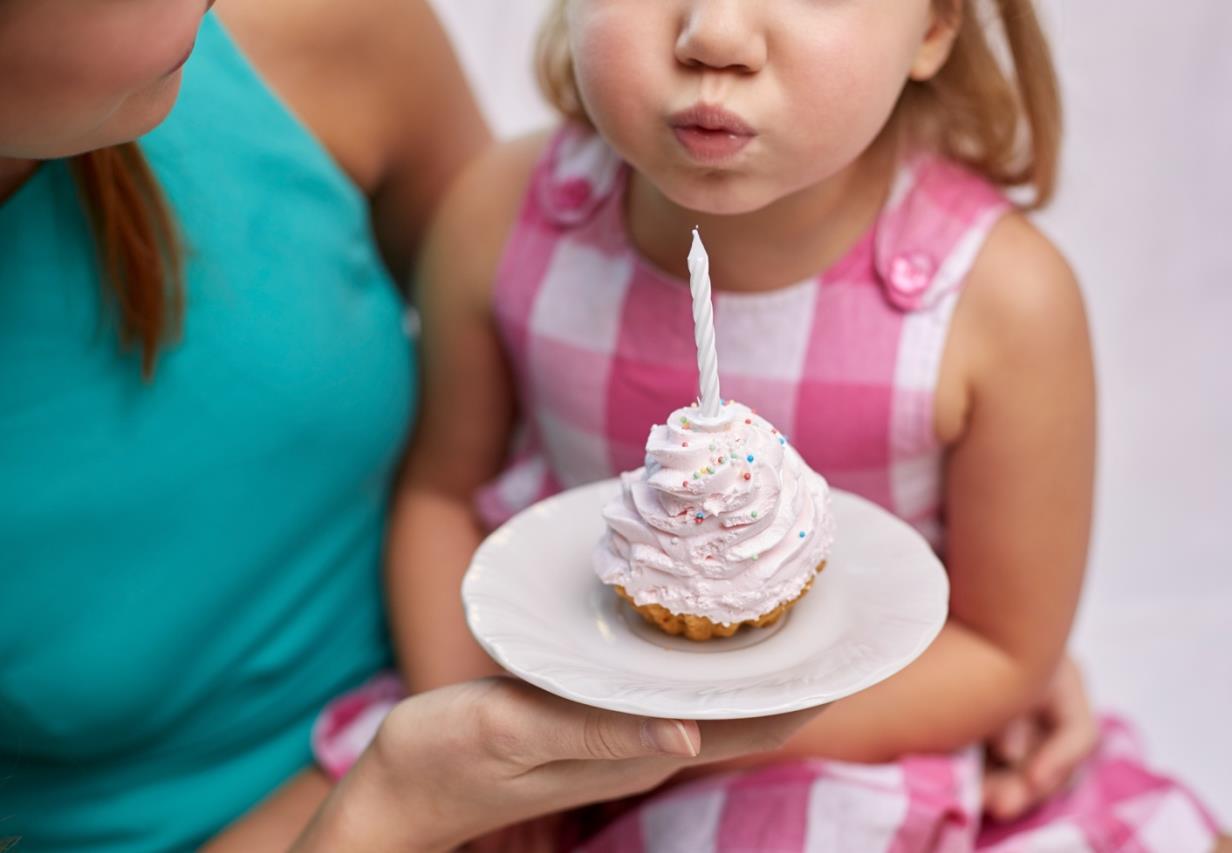
On their birthday, many children love to blow out the candles on a cake while their friends are singing ‘Happy birthday’. Cakes and candles may also be brought into the education and care service for other special occasions.
It is unlikely that blowing out candles will spread disease, unless the child who is blowing is sick or has been sick recently. If you want to minimise the risk from this activity, other options for celebrations include:
17 Murdoch Children’s Research Institute (2021). Research brief: COVID-19 in early childhood education and care and schools, MCRI, Melbourne.
18 Education.vic.gov.au (2023). School operations: ventilation and air purification, Victorian Government, Melbourne.
19 Rutala WA, Barbee SL, Aguiar NC, Sobsey MD & Weber DJ (2000). Antimicrobial activity of home disinfectants and natural products against potential human pathogens, Infection Control & Hospital Epidemiology 21(1):33–38.
20 Department of Health and Aged Care (2023). Appropriate use of disinfectants: information for consumers, health professionals and healthcare facilities, Australian Government, Canberra.
21 Australian Children’s Education and Care Quality Authority (2016). Sustainability in children’s education and care, ACECQA, Canberra.
22 Centers for Disease Control and Prevention (2022). When and how to clean and disinfect a facility, CDC, Atlanta, US.
23 Sehulster L, Chinn RY, Arduino MJ, Carpenter J, Donlan R, Ashford D, Besser R, Fields B, McNeil MM & Whitney C (2003). Guidelines for environmental infection control in health-care facilities: recommendations of CDC and the Healthcare Infection Control Practices Advisory Committee. Morbidity and mortality weekly report recommendations and reports 52:1–42.
24 National Health and Medical Research Council (2019). Australian guidelines for the prevention and control of infection in healthcare, NHMRC, Canberra.
25 Holm SM, Leonard V, Durrani T & Miller MD (2019). Do we know how best to disinfect child care sites in the United States? A review of available disinfectant efficacy data and health risks of the major disinfectant classes, American Journal of Infection Control 471(1):82–91.
26 Centers for Disease Control and Prevention (2022). When and how to clean and disinfect a facility, CDC, Atlanta, US.
27 Kidsafe (2021). Sandpits, Child Accident Prevention Foundation of Australia, Canberra.
28 MidCentral Public Health Service NZ (2010). Cleaning and disinfecting guidelines for early childhood education centres, New Zealand.
29 Nelson Filho P, Pereira MSS, de Rossi A, da Silva RAB, de Mesquia KSF, de Queiroz AM & da Silva LAB (2014). Children's toothbrush contamination in day care centers: how to solve this problem? Clinical Oral Investigations 18:1969–1974.
30 Ibfelt T, Engelund EH, Schultz AC & Andersen LP (2015). Effect of cleaning and disinfection of toys on infectious diseases and micro-organisms in daycare nurseries, Journal of Hospital Infection 89(2):109–115.
31 Australian Commission on Safety and Quality in Health Care (2023). Safe management and use of shared toys and therapy equipment in healthcare settings, ACSQHC, Sydney.
32 Food Safety Information Council (2023). Fridge and freezer food safety, FSIC, Canberra.
33 Food Standards Australia New Zealand (2021). Food temperature and thermometer, FSANZ, Canberra.
34 Food Standards Australia New Zealand (2023). Safe food Australia: a guide to the food safety standards, FSANZ, Canberra.
35 World Health Organization & Food and Agriculture Organization of the United Nations (2007). Safe preparation, storage and handling of powdered infant formula: guidelines, WHO, Geneva.
36 National Health and Medical Research Council (2012). Infant feeding guidelines: information for health workers, NHMRC, Canberra.