We're changing the way Sapphire looks
Same platform, new visual identity. Learn more: Sapphire is becoming NHMRC Grant Management System.
We're changing the way Sapphire looks
Same platform, new visual identity. Learn more: Sapphire is becoming NHMRC Grant Management System.
Search our publications on this page including annual reports and corporate plans, guidelines, reports, statements and 10 of the Best.
For case studies, fact sheets, guidance, policies, and video see our Resources.
If you are unable to find what you are looking for, you can search for archived publications on the National Library's Australian Government Web Archive (Trove).
A useful guide explaining key terms used in embryo research. Provides definitions of the main terms used, including biological definitions and therapy explanations.
This information kit is divided into 5 chapters, covering different aspects of the NHMRC Embryo Research Licensing Committee’s activities.
Managing individual exposure to lead in Australia – A guide for health practitioners (The Guide) provides health practitioners with general information to assist in the management of individuals with elevated blood lead levels.

This document provides advice on the conduct of animal-based studies to ensure that the studies are rigorous, transparent and reproducible and lead to useful outcomes. It is in line with the Australian Code for the care and use of animals for scientific purposes, 8th edition (2013), which is adopted into legislation across Australia.

Based on a comprehensive review of the evidence and the translation of this evidence into the Information Paper Water fluoridation: dental and other human health outcomes, this also takes into consideration what the situation is here in Australia compared to elsewhere.

10 of the Best: 2016 showcases 10 outstanding Australian health and medical research projects supported by NHMRC.
The 30th biannual report.

This Information Paper explores the potential link between water fluoridation and human health based. The 2016 NHMRC Evidence Evaluation shows that water fluoridation helps to reduce tooth decay in children and adults. There is no reliable evidence that water fluoridation at current Australian levels causes health problems.

This report Promoting social and emotional development and wellbeing of infants in pregnancy and the first year of life: a NHMRC report on the evidence summarises findings of the evaluation of evidence on the effectiveness of interventions delivered in pregnancy or the first postpartum year.

The Ethical guidelines on the use of assisted reproductive technology in clinical practice and research (ART guidelines) are used by professional organisations to set standards for the practice of ART. The 2023 update includes the addition of Part D to support the ethical introduction of mitochondrial donation into ART in Australia, along with minor administrative updates to the 2017 guidelines.
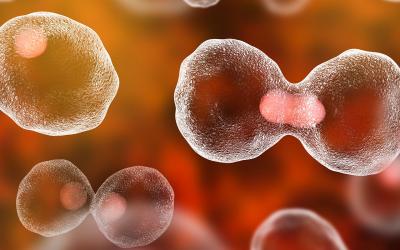
The 29th biannual report

This document clarifies the responsibilities of those involved in clinical trials to monitor and report adverse events and other safety issues. Supplementary guidance on other clinical trial safety monitoring and reporting issues is also available*.

This document provides principles and best practice guidance for the care and use of non-human primates for scientific purposes. The document is intended for use by those involved in the care and use of non-human primates for scientific purposes, including institutional animal ethics committees, investigators and animal carers.
The 28th biannual report.
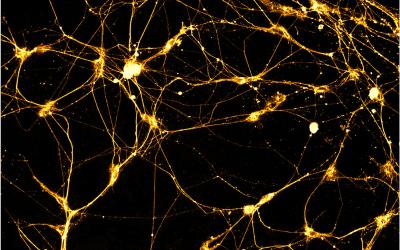
Consultation paper from the Structural Review of NHMRC’s Grant Program.
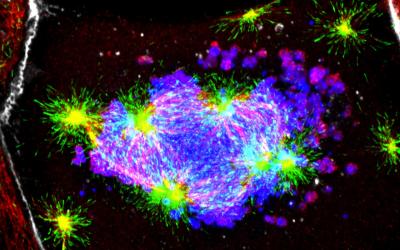
10 of the Best: 2015 showcases 10 outstanding Australian health and medical research projects supported by NHMRC.

The Ethical guidelines for organ transplantation from deceased donors were developed by NHMRC following a joint request from the Organ and Tissue Authority and the Transplantation Society of Australia and New Zealand.

A guide to the legislative and governance structure to refer to when accessing datasets from publicly funded research. This page also contains a single page summary to the guide and a consumer guide.

This manual demonstrates the need for clinical ethics capacity in Australian health care organisations and provides guidance for institutions wishing to establish or strengthen an existing clinical ethics service.

10 of the Best: 2014 showcases 10 outstanding Australian health and medical research projects supported by NHMRC.

This Statement and Information Paper were designed to inform the community and policy makers of the effects of lead on the human body. Evidence has shown an association with reduced academic achievement, behavioural problems, increased blood pressure and delayed sexual maturation.

This expert review is the summary of key issues from the report Evidence on the Effects of Lead on Human Health.

This Administrative report: Information Paper: Evidence on the effects of lead on human health refers to the development of the Information paper and Statement as well as background documents relating to the assessment of the evidence on the health effects of lead.

This document: Public consultation — summary of key issues: Draft information paper: Evidence on the effects of lead on human health outlines the key issues raised via public consultation and summaries of the Lead Working Committee’s responses.
The Principles for the translation of ‘omics’- based tests from discovery to health care are designed to assist researchers and clinicians in translating omics-based discoveries into properly validated tests that are clinically useful*.
The NHMRC and ARC Statement on Open Researcher and Contributor ID explains NHMRC's position on the ORCID researcher identifier.

NHMRC has been investigating concerns about the impact of wind farms on human health since 2009, following concerns raised by the public.
This administrative report refers to the development of a related information paper, NHMRC Statement and evidence-based background documents.

Following an earlier review of evidence linking wind farms to human health, NHMRC sought to update and review available information. The documents here focus on the methods used to conduct a systematic literature review focusing on noise, shadow flicker and electromagnetic radiation.

Some members of the community have raised concerns about the impact on their health while living near a wind farm.
This information paper summarises the available evidence on the subject along with key issues raised by the public and the expert community.

Examining whether wind farm emissions may affect human health is complex, due to the nature of the emissions and individual perceptions are highly variable. After careful consideration and deliberation of the body of evidence, National Health and Medical Research Council (NHMRC) concludes there is currently no consistent evidence that wind farms cause adverse health effects in humans.
Many Australians report they use complementary medicine, but don't tell their clinicians which may impede treatment.
This resource aims to promote discussions between clinicians and patients about complementary medicine and better equip patients to make informed decisions about their health care.
This document is a five-year analysis of the scientific publication output and citation impact of research funded by NHMRC and of Australian health and medical research generally.
The aim of the report is to measure the impact of NHMRC funding schemes in terms of published journal output.

This guide supports the implementation of the Australian code for the care and use of animals for scientific purposes 8th edition (2013) by providing advice about how the specific and unique needs of Australian native mammals can be met when these animals are used for scientific purposes.
It provides information for investigators, institutions, animal ethics committees and all those involved in the care and use of Australian native mammals for scientific purposes.
Notice: This publication is more than 5 years old and may no longer reflect current evidence or best practice.

Quality assurance (QA) and evaluation are important to ensure effective work and the best outcomes. However, confusion arises over if an activity is research, evaluation or QA as there may be similar research methods used.
This document assists organisations in developing QA policy and appropriate oversight.
Genetic tests are easily purchased by consumers, often over the internet and usually without the involvement of a medical professional. These tests can be used in diagnosing medical conditions or pre-dispositions.
The statement highlights issues for medical professionals and consumers regarding the use of health-related genetic testing.

The number of direct to consumer DNA tests consumers can buy over the internet, without the involvement of a doctor, has been rising.
This resource is to inform consumers about test accuracy, privacy legislation and what it may mean for personal insurances and blood relations.

10 of the Best: 2013 showcases 10 outstanding Australian health and medical research projects supported by NHMRC.

Discrimination against an individual can appear in many forms. As DNA testing increasingly identifies differences in the genetic make-up of individuals, it becomes possible that people will be discriminated against based on genetic information.

Using information about genetic predisposition to disease is a key part of personalised medicine. This resource has been developed to provide information to consumers about personalised medicine and genetics.

DNA testing can be used for a number of purposes not related to health. One area of interest is the potential for DNA testing and genetic profiles in sport applications such as talent identification, individualised training programs and avoidance of sport-related injury.

This resource has been developed to provide information to consumers about the human genome.

The Clinical Practice Guidelines for the management of overweight and obesity in adults, adolescents and children in Australia is intended for use by clinicians including general practitioners.

The purpose of the Australian code for the care and use of animals for scientific purposes (the Code) is to promote the ethical, humane and responsible care and use of animals used for scientific purposes. It provides guidance for investigators, institutions, animals ethics committees, animal carers and all those involved in the care and use of animals for scientific purposes.
The Code is adopted into legislation in all Australian states and territories. It is endorsed by the National Health and Medical Research Council (NHMRC), Australian Research Council, Commonwealth Scientific and Industrial Research Organisation and Universities Australia. Compliance with the Code is a prerequisite for receipt of NHMRC funding.
A web version of the Code is provided below.
A PDF version of the Code, and guidance documents about implementation of Section 7: Cosmetic testing, are available under 'Downloads'
Rapid advances in DNA sequencing technologies now allow an individual’s whole genome to be sequenced.
This Clinical Practice Guideline for the management of Borderline Personality Disorder will assist health professionals to diagnose, treat and manage BPD in adolescents and adults.

To ensure we can make healthy food choices, we need dietary advice based on the best scientific evidence. This Guideline seeks to offer the best advice on dietary patterns that promote optimal health and wellbeing for the generally healthy Australian population.

10 of the Best: 2012 showcases 10 outstanding Australian health and medical research projects supported by NHMRC.

This factsheet aims to support people to: understand the basics of DNA, genes and chromosomes; consider whether to get tested; understand the potential outcomes of the genetic testing process; and find more information and support.
The full title of this factsheet is: DNA Genetic Testing in the Australian Context: A Statement from the National Health and Medical Research Council.

This handbook outlines the requirements and procedures for the certification of institutions under our National Certification Scheme of Institutional Processes Related to the Ethical Review of Multi-centre Research.
Before commencing steps to apply for certification, please contact us at HREC.admin@nhmrc.gov.au for further advice.