Keep up with the latest news and stories from NHMRC. Use the search function to browse our articles and latest news.

InFocus articles

Our InFocus articles spotlight projects dedicated to advancing human health. Explore these curated stories from the search below.

Speaking of Science webinars

Tune in to our Speaking of Science webinars to hear from top researchers and experts in health and medical research. You can register and join our monthly webinars live or view them later, as they are recorded. Subscribe for notifications about upcoming webinars, so you don’t miss out!

Tracker newsletter and RAO alerts

Our Tracker newsletter is produced fortnightly and offers updates on the lasted grant opportunities, guidelines and news for the health and medical research community. Subscribe to receive the newsletter by email or see previous editions in the search field below.

RAO Alerts are emailed directly to Research Administration Officers (RAO) with important updates and timings on our grant opportunities. You can read past editions on the RAO alerts page.

Media contact

For media enquiries, reach out to us at: media@nhmrc.gov.au or call 0422 008 512.

For more, follow us on social media at: Facebook, X (previously Twitter), Instagram, LinkedIn or YouTube.

Please visit the National Library's Australian Government Web Archive (Trove) for archived articles including Tracker, media releases and RAO alerts.

Latest news and stories

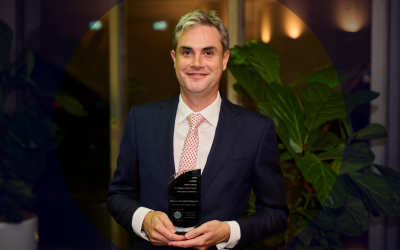
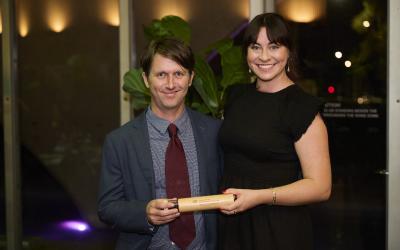
Professor Macefield at NHMRC’s Research Excellence Awards

Research Excellence: Microelectrode recordings from the vagus nerve in awake humans

Professor Vaughan Macefield is the Professor of Neuroscience in the Department of Neuroscience at Monash University. Professor Macefield specialises in recording from single nerve fibres via microelectrodes inserted into the peripheral nerves of awake human participants. He is best known for developing the methodology for recording the firing properties of single, type-identified, sympathetic neurones supplying muscle and skin, and for developing the methodology for recording muscle sympathetic nerve activity at the same time as performing functional magnetic resonance imaging of the brain. Read on to find out more about Professor Macefield's research, in his own words.


  • InFocus
  • 23 October 2023
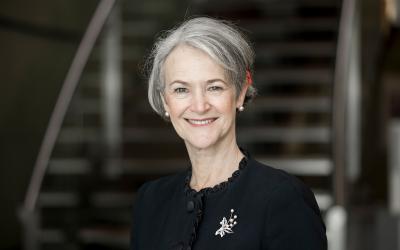
Professor Steve Wesselingh

Tackling health challenges of the present and the future

As an infectious disease physician and researcher in HIV, vaccine development and the impact of the microbiome on human health, Professor Wesselingh brings a wealth of medical experience, clinical leadership as well as national and international success to this role.

  • InFocus
  • 11 October 2023

Research Excellence: Understanding membrane protein structures

Dr Alastair Stewart, Head of the Institute’s Structural Biology Laboratory at the Victor Chang Cardiac Research Institute (VCCRI) focuses his research on understanding the mechanisms of how cells transport drug molecules using cyro-electron microscopy technology. Based within VCCRI’s Innovation Centre, Dr Stewart’s research involves generating detailed information on the function of membrane protein structures, providing a template to better understand drug interactions within the body. Read on to find out more about Dr Stewart’s research, in his own words.

  • InFocus
  • 21 September 2023
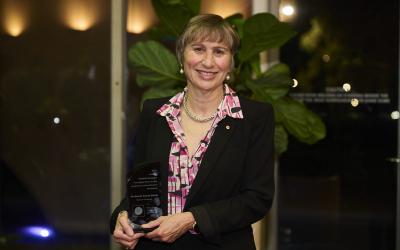
Professor Davis at NHMRC’s Research Excellence Awards

Research Excellence: trialling women's testosterone therapy

Professor Susan Davis AO, Head of the Monash University Women’s Health Research Program, focuses her research on understanding the role of sex hormones, particularly testosterone, in women’s health. Her program of research involves a series of innovative, complementary clinical trials to determine if the hormone can serve as a new therapy to protect against leading causes of ill health in postmenopausal women. Read on to find out more about Professor Davis’s research, in her own words.

  • InFocus
  • 30 August 2023

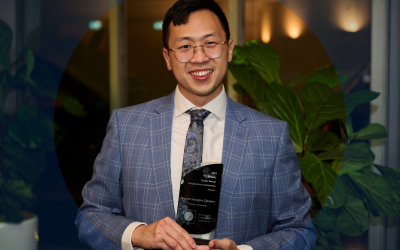
Research Excellence: predicting gastric cancer

Dr Doug Tjandra is an advanced trainee in gastroenterology at The Royal Melbourne Hospital with an interest in preventing gastrointestinal cancers and immunotherapy-related complications of the gastrointestinal tract and liver.

  • InFocus
  • 11 August 2023
Professor Jose Polo

Research excellence: understanding the first few weeks of pregnancy

Professor Jose Polo’s work in epigenetics spans diverse fields, including cellular reprogramming, embryogenesis, neurobiology, immunology and cancer. His Synergy Grant brings together a multidisciplinary team who will combine the latest advances in models of early development, genetics and molecular biology to determine how the early placenta produced by the embryo burrows into the uterus and keeps developing during the entire pregnancy.

  • InFocus
  • 20 July 2023
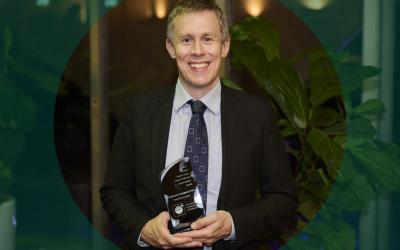
Man in suit with an award, smiling.

Research Excellence: rapidly detecting emerging viruses

It is challenging to contemplate, but the world can expect to experience pandemics like COVID-19, and perhaps even larger in scale, in the future. Professor Eddie Holmes is developing a pandemic radar to rapidly detect emerging viruses and determine which are most likely to have pandemic potential. His research focuses on understanding the fundamental mechanisms of virus ecology and evolution, as well as how viruses jump species boundaries to emerge and cause disease in new hosts.

  • InFocus
  • 14 July 2023
Reverend McGovern

Excellence in ethics and integrity

Reverend Kevin McGovern, recipient of the 2023 NHMRC Ethics and Integrity Award, is one of Australia’s leading ethicists, active in education, research and policy for over 25 years. Throughout his professional life as a parish priest, academic and community leader, Reverend McGovern has brought to innumerable discussions and debates the highest quality and intensity of consideration. His reputation for the courage of his convictions and his openness and respect for others with a diversity of views is unparalleled.

  • InFocus
  • 29 June 2023

Excellence in consumer engagement: optimising the lives of people with aphasia

The Queensland Aphasia Research Centre (QARC) brings together people with aphasia, their families and friends, clinicians and researchers in the collaborative development of innovative and novel health interventions that transform lives. At NHMRC's Research Excellence Awards in March, QARC received the 2023 NHMRC Consumer Engagement Award, which recognises an individual, a group of individuals or an organisation that has made a long-term contribution to consumer and community involvement in health and medical research.

  • InFocus
  • 1 June 2023
Professor Greg Fox

Research Excellence: A vision for the elimination of tuberculosis

Professor Greg Fox is a respiratory doctor and clinical trialist at the University of Sydney and Director of the Sydney Vietnam Institute who is contributing to the momentum towards tuberculosis (TB) elimination. Professor Fox received the 2021 NHMRC David Cooper Clinical Trials and Cohort Studies Award, recognising the highest ranked recipient in the Clinical Trials and Cohort Studies scheme.

  • InFocus
  • 19 May 2023

Research excellence: Transforming midwifery in the Asia-Pacific region

Professor Caroline Homer AO is a midwife and maternal and newborn health researcher. Her research addresses maternal and newborn health issues, especially the role of midwives in improving outcomes in limited-resource settings, with a focus for more than 20 years on the Asia-Pacific region.

  • InFocus
  • 5 May 2023
Professor Wai-Hong Tham

Research Excellence: New antibody therapies against malaria and COVID-19

Professor Wai-Hong Tham was one of four distinguished female researchers to receive 2022 NHMRC Elizabeth Blackburn Investigator Grant Awards. Her award was for the highest ranked female recipient (Leadership category) in the Basic Science research area of the Investigator Grants scheme. Professor Tham is Head of the division of Infectious Diseases and Immune Defence at WEHI and co-Chair of the WEHI Biologics Initiative. 

  • InFocus
  • 24 April 2023
Dr Tafi Marukutira

Research Excellence: Identifying gaps and solutions needed for HIV elimination

Dr Tafi Marukutira is a medical doctor and public health researcher, specialising in infectious diseases epidemiology. Dr Marukutira received the 2022 NHMRC Frank Fenner Investigator Grant Award (Emerging Leadership), which recognises the highest ranked recipient in the Emerging Leadership Level 1 Investigator Grant category within the Basic Science or Public Health research areas, for his work on equitable access to HIV care and treatment.  

  • InFocus
  • 6 April 2023
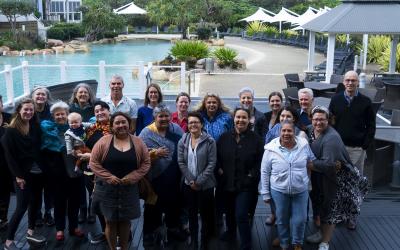
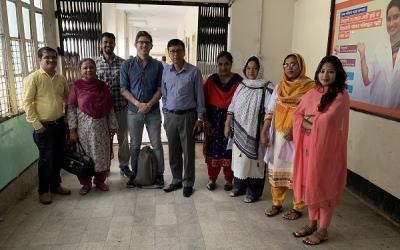
22 people smiling in a group standing outside

Communities driving health care research

'It’s about coming with an open mind and heart, and willingness to deeply listen to community… to have any preconceptions challenged and re-learn ways of doing research' - Dr Veronica Matthews , co-lead investigator, STRengthening systems for InDigenous healthcare Equity (STRIDE)

  • InFocus
  • 14 March 2023
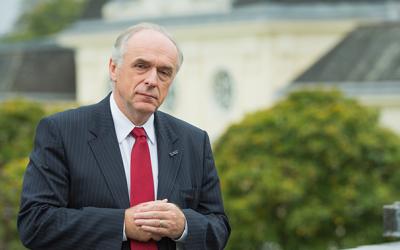
man facing the camera with trees and buildings behind

Forging a farsighted agenda with a novel global way of thinking about science

The Human Frontier Science Program (HFSP) was established in 1990 to promote international collaboration in basic research focused on the elucidation of the sophisticated and complex mechanisms of living organisms. Since then, 1180 research grants have been awarded to more than 7500 researchers representing 71 nationalities, including Australia. 

HFSP Secretary-General Professor Pavel Kabat introduces the program and three prominent researchers tell us how their HFSP grants advanced their research.

  • InFocus
  • 7 June 2022
portrait photo of person facing the camera

Making a decision to do the hard research, that’s what discovery is about

Deciding to commit to a research life is brave – so is committing to do the hard research. Professor Cath Chamberlain says with Aboriginal and Torres Strait Islander health, in particular, 'we are going to need to take some more risks to do things differently'. 

  • InFocus
  • 31 May 2022

Internship brings entirely new set of skills

Sharna Motlap has always been interested in creating and implementing evidence-based programs specifically tailored to Indigenous communities. 

  • InFocus
  • 12 May 2022

HEAL national research network addressing the health effects of environmental change

The Healthy Environments and Lives National Research Network (HEAL) was announced at the end of 2021 with a grant of $10 million over five years, as an NHMRC Special Initiative to provide national and international leadership in environmental change and health research. HEAL formally starts in May 2022; a lot of groundwork has been done to create the foundations for a large and diverse collaboration to deliver its ambitious work plan over the next five years and beyond.

  • InFocus
  • 7 April 2022

To improve child health, focus on conception

Professor Sarah Robertson from The University of Adelaide is recipient of an NHMRC Investigator Award and was awarded the Elizabeth Blackburn Investigator Grant Award (Leadership in Basic Science) at the 2020 NHMRC Research Excellence Awards.

  • InFocus
  • 9 December 2021

How Anne McKenzie went from ‘just a mum from Morley’ to consumer engagement champion

Pioneering health consumer advocate Anne McKenzie AM has been awarded NHMRC’s Consumer Engagement Award in recognition of an almost 30-year career during which she has helped thousands of Australian clinicians and researchers understand the value of listening to consumers.

  • InFocus
  • 26 November 2021

Developing innovative vaccines to tackle influenza B virus

Dr Marios Koutsakos is a postdoctoral research fellow at the Peter Doherty Institute for Infection and Immunity, University of Melbourne. He works on the development of a universal influenza B vaccine and on understanding the fundamental biology of immune responses to vaccination. Dr Koutsakos received the 2020 NHMRC Frank Fenner Investigator Grant Award. 

  • InFocus
  • 22 November 2021

Developing innovative interventions to eliminate parasitic worm infestations

Professor Don McManus is senior scientist at QIMR Berghofer and an internationally acclaimed parasitologist. This year, he was awarded the 2020 NHMRC Peter Doherty Investigator Grant Award (Leadership).

  • InFocus
  • 8 November 2021

Game-changer for cancer research and therapeutic development

2021 ANSTO Eureka Prize for Innovative Use of Technology

  • InFocus
  • 11 October 2021

Crossing disciplines to answer complex research questions

University of Adelaide's Professor Ian Olver received the 2021 NHMRC Ethics Award in recognition of his significant contribution to Australian health and medical research ethics over the last decade. As chair of NHMRC’s Australian Health Ethics Committee, and as a valued member of NHMRC Council from 2012 to 2018, his balanced and considered leadership style and willingness to engage sensitively on tough issues supported a wider understanding of the ethical impact of emerging health and medical research innovations and technologies.

  • InFocus
  • 6 September 2021

Working beyond our own borders for a better world

Associate Professor Joshua Vogel is a Principal Research Fellow at the Burnet Institute in Melbourne, where he co-heads the Global Women’s and Newborn’s Health Group. His research focuses on addressing maternal and perinatal health issues affecting women and families in limited-resource settings. Associate Professor Vogel was the winner of the 2020 Peter Doherty Investigator Grant Award, and the Commonwealth Health Minister’s Award for Excellence in Health and Medical Research.  

  • InFocus
  • 18 August 2021

Australian research delivers rapid Hep B test for earlier treatment

Hepatitis B is an infectious disease that causes the liver to become inflamed and contributes to increasing rates of liver cancer in Australia and globally.

  • InFocus
  • 26 July 2021

Getting to the cause of type 2 diabetes

The daily burden of living with diabetes can be significant. It’s estimated that people with diabetes face up to 180 diabetes-related decisions every day. That’s more than 65,000 extra decisions a year. These decisions can range from managing daily blood sugar levels, food intake and exercise to the management of serious diabetes complications.

  • InFocus
  • 8 July 2021

Driven to improve mental health and intergenerational trauma through research

Having experienced 2 Indigenous internships with NHMRC, Vernon Armstrong has now started his journey in mental health research.

  • InFocus
  • 2 July 2021

Diamond-enriched silk dressings the answer to next-generation smart wound treatment

A diamond-enriched smart dressing made of silk that enables doctors to read the chemistry of an infected or healing wound could be the answer to more effective therapies, particularly for burns.

  • InFocus
  • 17 June 2021

Addressing Australia’s national transfusion research priorities

Professor Erica Wood is head of the Transfusion Unit at Monash University. Her research describes how blood is used in Australia, and how its use can be improved and made safer and more cost-effective. Through registry data and clinical trials, and studies of novel blood products, Professor Wood and her team aim to improve access and transfusion outcomes for patients.

  • InFocus
  • 15 June 2021

Indigenous female researcher inspires next generation

As one of NHMRC’s first Indigenous Interns, Nada Powell is about to embark on her next journey which is likely to now include research.

  • InFocus
  • 27 May 2021

Breathing easy – Improving access to respiratory disease rehabilitation

The average adult takes up to 20 breaths every minute, something most people give little thought. However, breathing can be a daily struggle for people with Chronic Obstructive Pulmonary Disease (COPD),an umbrella term for a group of lung conditions that includes emphysema, chronic bronchitis and chronic asthma.

  • InFocus
  • Ten of the Best
  • 4 May 2021

Adding new cells to the mature central nervous system – Investigating their normal function and potential for repair

For people with Multiple Sclerosis (MS), the myelin that covers nerve fibres in the central nervous system (brain, optic nerves and spinal cord) is damaged, leading to impairment of cognitive, motor and sometimes sensory functions.

  • InFocus
  • 16 February 2021
abstract purple

COVID-3D: A small leap to scale up to COVID-19

Early in 2020, the University of Melbourne’s Bio21 team was working on protein modelling to better understand antimicrobial resistance for improved drug development. In March they turned their attention to the SARS-CoV-2 virus, which had already undergone many mutations. In September, the team’s work was published in Nature Genetics.

  • InFocus
  • 3 February 2021

Improving the health and wellbeing of children by making it easy to be active throughout the day

Professor Jo Salmon from the Institute for Physical Activity and Nutrition (IPAN), Deakin University received the Elizabeth Blackburn Investigator Grant Award at last year’s NHMRC Research Excellence Awards. Her research focuses on how to effectively implement physical activity interventions at scale across the population, particularly in children. Physical inactivity is a leading modifiable risk factor for childhood obesity and other physical and mental health conditions.

  • InFocus
  • 28 January 2021
Scan of a brain

Case study: Neurodegenerative disease and metals

The formation of abnormal proteins in the brain has long been suspected to contribute to the development of Alzheimer’s disease and other neurodegenerative diseases. Yet many individuals with abnormal protein formations do not go on to develop such diseases.

  • InFocus
  • 13 November 2020

Australian Partnership for Preparedness Research on Infectious Disease Emergencies

APPRISE is the Australian Partnership for Preparedness Research on Infectious Disease Emergencies. It was established in 2016 with an investment of $5 million funded by NHMRC and an additional $2 million in 2020 to undertake a range of studies to inform the public health and clinical responses to the COVID-19 outbreak.

  • InFocus
  • 27 October 2020

Improving kidney health for Aboriginal and Torres Strait Islander people

Associate Professor Jaqui Hughes from the Menzies School of Health Research received the 2019 NHMRC Clinical Trials and Cohort Studies Award at NHMRC’s Research Excellence Awards ceremony in March 2020. Kidney disease is a significant health priority among Aboriginal and Torres Strait Islander communities. The cohort study being led by A/Professor Hughes will describe the long-term changes in kidney function over 10 years. This will provide critical data to inform regional and national policy on identification and care of people with kidney disease.

  • InFocus
  • 18 September 2020

Aboriginal mental health research and the importance of resilience

Developing better understanding of effective therapeutic practices with Aboriginal clients, in Aboriginal community settings, and with Aboriginal practitioners, across the spectrum of mental health and social and emotional wellbeing outcomes is the goal of Dr Graham Gee.

  • InFocus
  • 10 July 2020

Could an antiseptic mouthwash reduce sexually transmitted infections and improve the sex life of Australians?

The 2020 Commonwealth Health Minister's Award for Excellence in Health and Medical Research has been awarded to Associate Professor Eric Chow of Monash University. The award has been presented each year since 2000 and recognises the top-ranked recipient of a NHMRC Investigator Grant in the Emerging Leadership Level 2 category from the previous year’s application round.

  • InFocus
  • 29 June 2020

Delivering safe and effective medication management technology

Medication errors are widely recognised as a major cause of preventable harm and death worldwide, annually costing some $42B globally and $1.28B in Australia.

  • InFocus
  • 4 October 2019
Car driving on outback road

Improving stroke care in regional and rural Australia

In Australia, there is an excess burden of stroke in regional and rural areas and patients do not have the same access to specialised care as in metropolitan areas.

  • InFocus
  • 26 September 2019

Kidney disease - reporting the right outcomes

An estimated 1 in 10 Australian adults (10%) - about 1.7 million people in 2011 - 12 - had biomedical signs of chronic kidney disease1

  • InFocus
  • 17 January 2019

New technology to spot skin cancer sooner

‘Melanoma is the most common cancer for 15-39 year old Australians—with the highest ‘years of life lost’ of any cancer’1

  • InFocus
  • 16th Edition
  • 30 January 2018

Blending disability and Indigenous research

‘The rate of disability among Indigenous Australians is almost twice as high as that among non-Indigenous people'1

  • InFocus
  • 13 December 2017

Bringing innovative research into clinical practice

Now an ear, nose and throat surgeon, Associate Professor Kelvin Kong was destined for health care. Growing up Kelvin and his sisters were always keen to help his mother, a Registered Nurse, whenever she had a one of their mob come around to remove a suture, tend to a cut or get a vaccination.

  • InFocus
  • 13 December 2017
Professor Wayne Tilley

Unlocking the secrets of sex hormones in breast cancer

One in eight Australian women will be diagnosed with breast cancer in their lifetime and seven women die from the disease each day in Australia1

  • InFocus
  • 31 October 2017

Drilling down: discovering the origins of dental anxiety

Associate Professor Jason Armfield set out to explain the origins of dental fear and to understand why fear of the dentist is a serious psychological problem for many Australians. He developed a ‘dental anxiety scale’ that will help to identify and treat the condition across the world, leading to more people visiting the dentist and better population level oral health.

  • InFocus
  • 24 October 2017

Starving bacteria—beating antibiotic resistance

Motivated by a desire to understand the molecular basis of key biological processes, Professor Abell saw an opportunity to use small molecules that selectively bind to bacterial proteins, as a potential mechanism for limiting bacterial survival.

  • InFocus
  • 29 September 2017

Uncovering salt’s addictive nature

Dr Craig Smith and a team of scientists at the Florey Institute of Neuroscience and Mental Health’s Addiction Neuroscience Laboratory are investigating one of the receptors in the brain they think are responsible for those seriously rewarding feelings.  Not only does this have the potential to help with obesity but it is closely linked with addictions to opioids such as heroin and could lead to a new group of targeted drugs.

  • InFocus
  • 26 September 2017