We're changing the way Sapphire looks
Same platform, new visual identity. Learn more: Sapphire is becoming NHMRC Grant Management System.
We're changing the way Sapphire looks
Same platform, new visual identity. Learn more: Sapphire is becoming NHMRC Grant Management System.

This report card details 2024–25 achievements against the 2021–2024 Action Plan for Road Map 3: A strategic framework for improving Aboriginal and Torres Strait Islander health through research. NHMRC works closely with the Indigenous Advisory Group to progress all 18 actions in the Action Plan.
4.4% of grants awarded in 24/25 were led by CIAs who identify as being of Aboriginal and/or Torres Strait Islander descent.

NHMRC is committed to spending 5% or more of the Medical Research Endowment Account (MREA) on Aboriginal and Torres Strait Islander health and medical research.
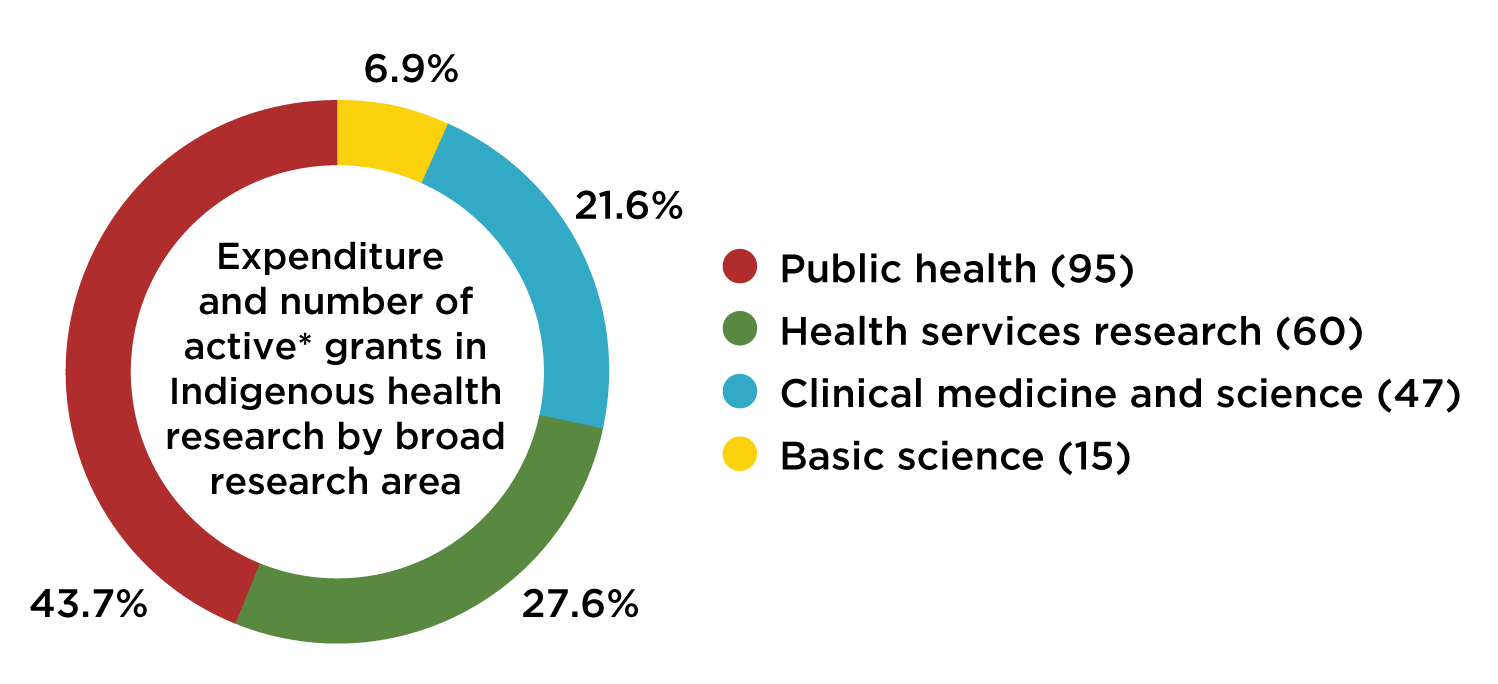

Public health and Health services research were the top fields of research in Aboriginal and Torres Strait Islander health, receiving $58,884,941.27 in funding.



NHMRC is committed to building and strengthening capacity of Indigenous researchers. In 2024–25:



*All grants being paid in 2024–25 financial year
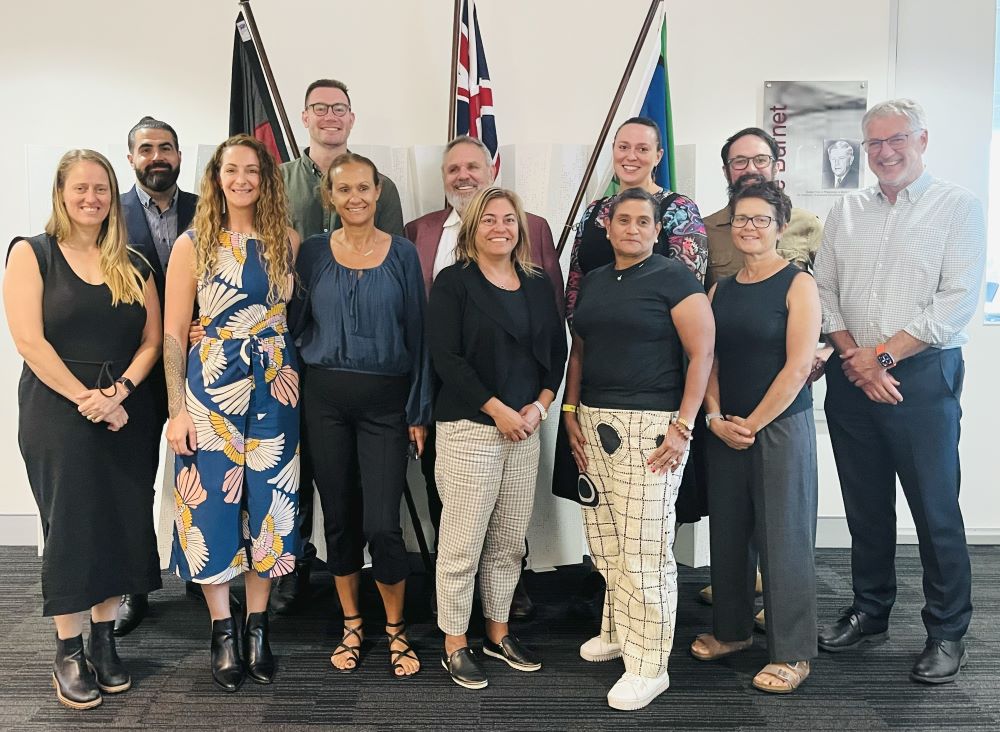
The Indigenous Advisory Group (IAG) provides strategic advice on Aboriginal and Torres Strait Islander health and health research issues.
The joint NHMRC and Medical Research Future Fund (MRFF) committee advises NHMRC and its Chief Executive Officer (CEO), the Australian Medical Research Advisory Board (AMRAB), and the CEO of the Health & Medical Research Office (HMRO).
Absent from group photo: Dr Brooke Conley, A/Professor Tuguy Esgin, Professor Maree Toombs.
The Commercial determinants of Aboriginal and Torres Strait Islander health 2023 grant opportunity aims to conduct innovative, ground-breaking research that recognises and adjusts for the interplay between social, cultural, economic, and commercial determinants of health and how it positively or negatively influences health outcomes.
Targeted Calls for Research (TCR) Aboriginal and Torres Strait Islander Health – Addressing Violence for Safer Families and Communities aims to address the health and wellbeing needs of families and communities to be safe through an Aboriginal and Torres Strait Islander-led, and multidisciplinary approach. Applications closed in August 2025.
One of the recommendations of the 2023 Indigenous Research Excellence Criteria national consultation was for all NHMRC applications to address how their research supports Aboriginal and Torres Strait Islander health, with respondents noting the success of a similar question introduced by the Health Research Council of New Zealand. A new question ‘How does your application benefit Aboriginal and/or Torres Strait Islander health and contribute to Closing the Gap targets?' was piloted in the 2025 Centres of Research Excellence (CRE) round.
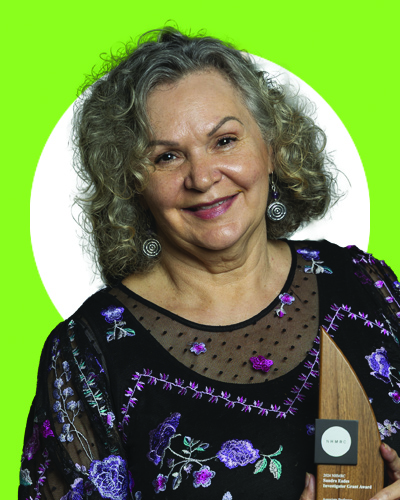
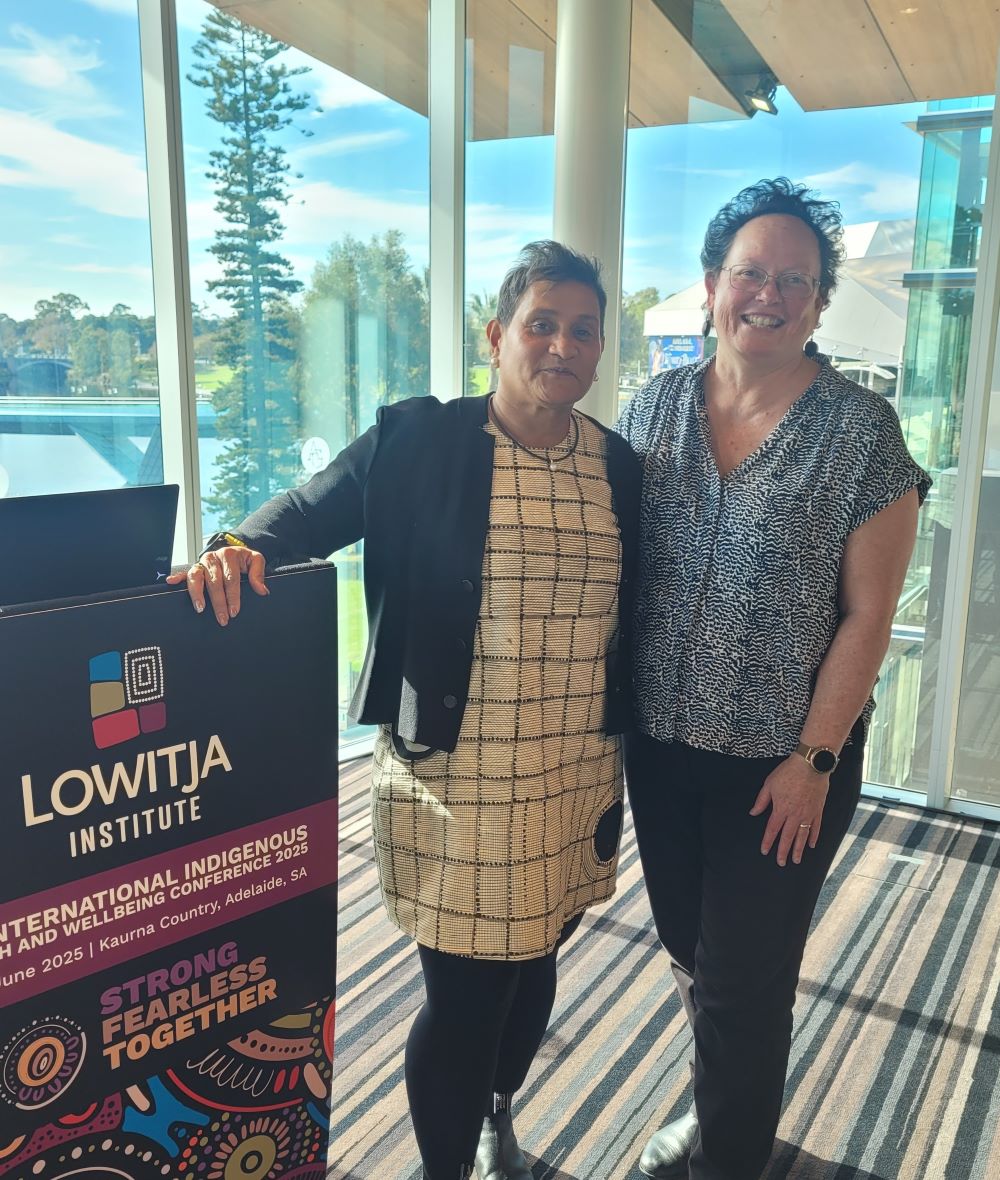
This year the award went to Associate Professor Yvonne Clark. She is a Kokatha/Wirangu woman from South Australia, a researcher and a PhD clinically endorsed psychologist. She co-leads the Aboriginal Communities and Families Research Alliance platform within the SAHMRI women and kids’ theme and is the Chief Investigator on multiple NHMRC grants.
Associate Professor Clark’s research seeks to improve social and emotional wellbeing and provide support pathways for Aboriginal and Torres Strait Islander people during pregnancy, along with support to fathers, parents and young people.
This award is named to honour Professor Sandra Eades AO FAHMS FASSA, the first Indigenous medical practitioner awarded a Doctorate of Philosophy (2003), and given to the top-ranked Indigenous researcher grant recipient in the Emerging leadership category of Investigator Grants.
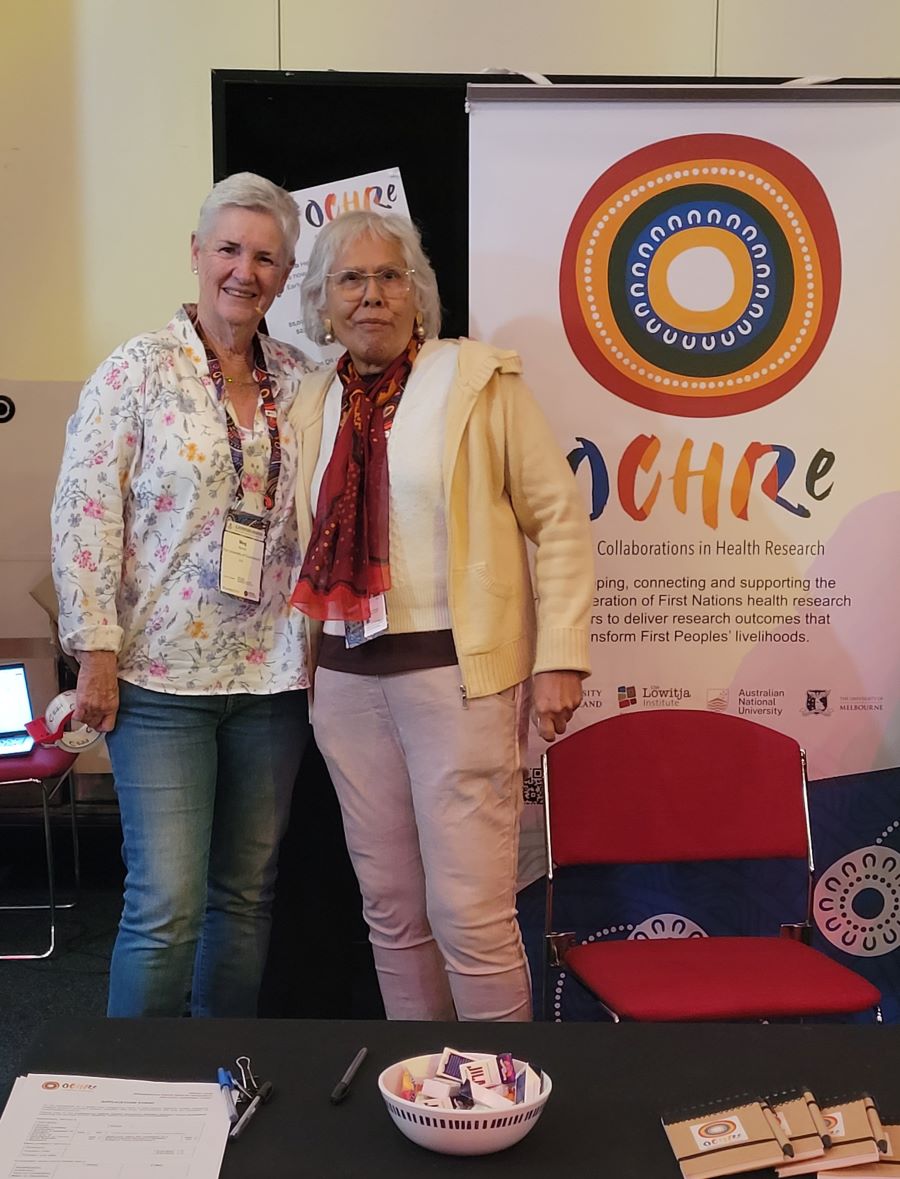
 The OCHRe Network vision is for a culturally secure and inclusive network of Indigenous researchers across Australia and sovereign Indigenous Nations, that builds unique skills at the interface of culture, science and health research and translates to improvements in the health and wellbeing of Indigenous peoples. The OCHRe Network is funded by NHMRC.