NHMRC recognises excellence in the health and medical research sector through its annual Research Excellence Awards. Find our 2025 award winners listed below.
Winners
The following is a list of winners of the 2025 Research Excellence Awards.

Professor
Bruce
Neal
NHMRC Michael Alpers Global Health Award
Institution
The George Institute for Global Health | University of New South Wales
Research title
Achieving global health gains from potassium-enriched salt
Professor Bruce Neal is Executive Director of the George Institute for Global Health in Australia, Professor of Medicine at UNSW Sydney and Professor of Clinical Epidemiology at Imperial College London. He works primarily in the field of cardiovascular disease with a track record in the conduct of large-scale clinical trials. Professor Neal’s work has supported the discovery and implementation of both novel drug therapies and dietary interventions. Central to the value of his research has been a focus on resource poor settings and early planning for the translation of research findings into policy and practice.
Research overview
This project will focus on commencing new trials, testing innovative solutions to the practicalities of doing trials, and evaluating new ways of achieving policy and industry uptake of the findings in low and middle-income settings. Building on previous research for potassium-enriched salt, the goal of this project is to discover solutions applicable to a wide range of different disease areas. The focus will be on using broad, multisector collaboration to achieve translation. For example, globalising uptake of potassium-enriched salt will mean working with miners and refiners to scale production of base materials, while also engaging with guideline groups, allied health, the food industry and community to achieve end-user uptake.
Read more about the Michael Alpers Global Health Award.
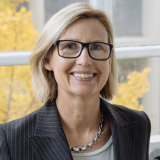
Professor
Sarah
Robertson
AO FAA FAHMS
NHMRC Elizabeth Blackburn Investigator Grant Awards – Basic Science (Leadership)
Institution
Adelaide University
Research title
Periconception mechanisms impacting fertility and pregnancy health
Professor Sarah Robertson AO is a reproductive immunologist and longstanding leader in fertility and pregnancy research at the Adelaide University. Her internationally recognised work has transformed understanding of how immune signalling at conception influences embryo development, implantation, placental formation and pregnancy success. Professor Robertson has made major contributions to defining the immune pathways that regulate fertility, miscarriage risk, preeclampsia and preterm birth, and has paved the way for new diagnostic tools and targeted therapies to support healthier pregnancies. Her research program spans fundamental biology through to translational innovation, with a career distinguished by sustained global impact.
Research overview
Reproductive and pregnancy disorders affect more than one hundred thousand Australian families every year, representing a major burden on health and wellbeing. Professor Robertson’s research program focuses on uncovering how the immune system at the moment of conception shapes fertility and pregnancy health. By defining the immune mechanisms that influence embryo development, maternal tolerance, placental function and inflammatory complications, her work seeks to understand – and ultimately prevent – conditions such as infertility, miscarriage, preeclampsia, preterm birth and stillbirth.
This program will deliver new biological insights into periconception immune signalling, while also driving the development of predictive biomarkers and precision therapies to improve diagnosis, prevention and treatment. Working across laboratory science, clinical cohorts and translational collaborations, Professor Robertson aims to improve reproductive outcomes for families in Australia and globally.
Read more about the Elizabeth Blackburn Investigator Grant Award.

Professor
Sherene
Loi
NHMRC Elizabeth Blackburn Investigator Grant Awards – Clinical Medicine and Science (Leadership)
Institution
Peter MacCallum Cancer Centre
Research title
Innovating in breast cancer immunology treatment and prevention
Professor Sherene Loi MBBS (Hons) FRACP PhD FAAHMS is a breast medical oncologist and clinician scientist at the Peter MacCallum Cancer Centre, where she leads a research program integrating tumour immunology, genomics and clinical trials to improve breast cancer outcomes. Her internationally recognised work has defined how immune cells within breast tumours and normal breast tissue influence cancer risk, prognosis and treatment response. Professor Loi has led multiple practice‑changing clinical trials, is the inaugural NBCF Endowed Chair, and has been ranked among the top 1% of highly cited researchers globally since 2018. She is also the recipient of major honours including the Frank Fenner Prize for Science and the AAHMS Jian Zhou Medal.
Research overview
Professor Loi’s research aims to improve breast cancer prevention and treatment by understanding how the immune system protects breast tissue – and how it can be more effectively harnessed in therapy. Her team investigates immune cells that naturally reside in breast tissue and may help prevent cancer formation. They also study why some breast cancers respond to immunotherapy despite having few DNA mutations, and how to expand these benefits to more patients. By combining immunology, genomics and biomarker‑driven clinical trials, Professor Loi’s work focuses on developing new immune targets, designing rational treatment combinations and creating better biomarkers to guide precision therapy.
Read more about the Elizabeth Blackburn Investigator Grant Award.

Professor
Shyamali
Dharmage
NHMRC Elizabeth Blackburn Investigator Grant Awards – Public Health (Leadership)
Institution
University of Melbourne
Research title
A Life Course Approach to Early Detection and Interventions to Stop Pre-COPD
Professor Shyamali Dharmage is a world leading expert in Life Course Epidemiology of Chronic Respiratory Diseases and leads the Allergy and Lung Health Unit, Centre for Epidemiology and Biostatistics at the University of Melbourne. She is the principal investigator of the NHMRC funded Melbourne Atopy Cohort Study and the Tasmanian Longitudinal Health Study. Ranked Australia’s top obstructive lung disease epidemiologist and third globally (Expertscape), she has served on both international and national advisory boards, including the Lancet Chronic Obstructive Pulmonary Disease (COPD) Commission and Australian COPD Blueprint. She is a Redmond Barry Distinguished Professor and holds 4 prestigious fellowship titles including from the European Respiratory Society and the Thoracic Society of Australia and New Zealand.
Research overview
With pre-COPD now recognised as a global health priority and with calls for urgent preventive action, this proposed 5-year program targets the critical and ‘silent’ pre-COPD period as a crucial phase where detection and interventions can stop disease progression. The overarching aim of the program is to develop essential new evidence and strategies leading to routine detection of, and interventions to prevent and treat, pre-COPD. The outcomes generated and translated from this program will result in a step-change in thinking and transformations in health policy and practice for this huge and growing global health challenge.
Read more about the Elizabeth Blackburn Investigator Grant Award.

Professor
Karen
Canfell
AC
NHMRC Elizabeth Blackburn Investigator Grant Awards – Health Services (Leadership)
Institution
University of Sydney
Research title
The elimination of cervical cancer: Effective implementation and scale-up of the World Health Organisation strategy in Australia, the Indo-Pacific and globally
Professor Karen Canfell AC leads the Cancer Elimination Collaboration in the Sydney School of Public Health at the University of Sydney. Professor Canfell’s work has influenced policy and implementation of cancer control strategies for multiple cancers. Her team’s modelling and trial work on cervical screening in an HPV-vaccinated population was central to the 2017 transition of Australia's National Cervical Screening Program to primary Human Papillomavirus (HPV) screening. Professor Canfell’s work has directly supported the development of Australian and World Health Organization's (WHO) strategies to accelerate the elimination of cervical cancer and WHO global guidelines for cervical screening. With collaborators, she leads the Elimination Partnership for Cervical Cancer in the Indo-Pacific (EPICC), supported by the Australian Government and the Minderoo Foundation. In 2024, Professor Canfell was made Companion of the Order of Australia and has received multiple awards and accolades for her research.
Research overview
Cervical cancer can be eliminated by achieving the WHO ‘90-70-90’ targets for HPV vaccination, screening with HPV testing, and providing access to cancer and precancer treatment services. This Investigator Grant will build on prior leadership of the Australian and global cervical cancer elimination agenda and on the work of the EPICC, which is a major regional health partnership. Critical new policy-focused and implementation research will build further evidence towards an Australian and global understanding of optimal approaches to the sustainable and equitable realisation of cervical cancer elimination.
Read more about the Elizabeth Blackburn Investigator Grant Award.
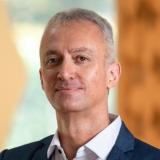
Professor
Arthur
Christopoulos
NHMRC Peter Doherty Investigator Grant Award (Leadership)
Institution
Monash University
Research title
Allosteric modulation of muscarinic receptors for the treatment of neurocognitive deficits
Professor Arthur Christopoulos is the Professor of Analytical Pharmacology and Dean of the Faculty of Pharmacy and Pharmaceutical Sciences at Monash University. He is a world leader in drug discovery of G protein coupled receptors (GPCRs), particularly through multidisciplinary studies of allosteric modulation and biased agonism as novel biological paradigms to treat a broad range of diseases. He is a Clarivate analytics highly cited researcher in multiple disciplines, the recipient of some of the most prestigious global pharmacological awards, academic co-founder of 3 GPCR biotechnology startups, an elected fellow of multiple international pharmacological societies, and a fellow of the Australian Academy of Health and Medical Sciences and the Australian Academy of Science.
Research overview
Cell surface proteins called GPCRs, are the major conduits by which we sense our external environment to maintain optimal human health. Dysregulation of GPCRs can lead to major disease states, with GPCRs representing the largest target class for currently approved medicines. This research program will focus on a subset of GPCRs that have emerged as exciting targets for treating schizophrenia and Alzheimer’s disease but that have remained resistant to standard drug targeting approaches. We will overcome this challenge through application of cutting edge structural, computational, chemical, pharmacological and translational biology approaches pioneered by our lab exploiting alternative modes of targeting previously ‘intractable’ or ‘undruggable’ GPCRs.
Read more about the Peter Doherty Investigator Grant Award.

Associate Professor
Alisa
Glukhova
NHMRC Peter Doherty Investigator Grant Award (Emerging Leadership)
Institution
The Walter and Eliza Hall Institute of Medical Research (WEHI)
Research title
Decoding the Mechanisms of Signal Propagation through the Wnt Signalling Pathway
Associate Professor Alisa Glukhova is a laboratory head in the Structural Biology Division at WEHI and at the Monash Institute of Pharmaceutical Sciences. Her research centres on the structural biology of key cell signalling pathways, with a particular focus on understanding how cells communicate and respond to their environment. Associate Professor Glukhova is a Snow Fellow, NHMRC Investigator (Emerging Leadership), and former CSL Centenary Fellow. Her contributions to biomedical science have been recognised with the Gottschalk Medal from the Australian Academy of Science, the Eureka Prize for Scientific Research, and the Lorne Proteins Sparrow Award.
Research overview
Cells detect and respond to external signals by activating specific pathways that direct their behaviour. One of the most important is the Wnt signalling pathway, which plays a critical role during embryonic development by regulating cell growth, division, and specialisation. When disrupted in adults, this same pathway can drive uncontrolled cell division and cancer. This research uses structural biology to reveal the molecular mechanisms that underlie Wnt signalling, including how receptors interact with lipids, co‑receptors, and intracellular partners. By developing antibody based tools that selectively target Wnt receptors, the work aims to provide new insights into how the pathway functions in health and disease and inform future therapeutic strategies for Wnt‑driven cancers.
Read more about the Peter Doherty Investigator Grant Award.
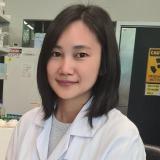
Dr
Sue
Chin Nang
NHMRC Frank Fenner Investigator Grant Award (Emerging Leadership)
Institution
Monash University
Research title
Innovating bacteriophage diagnostics and therapy to combat antimicrobial resistance: A cell-free synthetic biology approach
Dr Sue Chin Nang is a Senior Research Fellow and leads the bacteriophage (phage) therapy team in the Laboratory of Antimicrobial Systems Pharmacology at the Biomedicine Discovery Institute, Monash University. Her research tackles the global threat of antimicrobial resistance by combining traditional antibiotics with nontraditional phage approaches. Dr Nang’s work provides essential mechanistic and pharmacological insights to guide how these antimicrobial agents can be safely and effectively deployed. Her research group aims to accelerate the development of clinically adaptable phage-based therapies to treat life threatening ‘superbug’ infections.
Research overview
Antibiotic resistant bacteria are projected to cause 10 million deaths annually by 2050, underscoring the urgent need for new antimicrobial strategies. Bacteriophages – viruses that infect and kill bacteria – offer a promising alternative, but current phage therapies are limited by slow and inefficient phage production and significant gaps in pharmacological understanding.
Dr Nang’s project addresses these challenges by developing a cell free synthetic biology platform for high efficiency phage production and therapeutic optimisation. This approach seeks to overcome the major bottlenecks holding phage therapy back, enabling scalable manufacturing and providing essential pharmacological data. The end goal is a clinically adaptable phage therapy system capable of treating the world’s most dangerous superbug infections.
Read more about the Frank Fenner Investigator Grant Award.
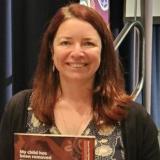
Associate Professor
Belinda (BJ)
Newton
NHMRC Sandra Eades Investigator Grant Award (Emerging Leadership)
Institution
University of New South Wales
Research title
Understanding systems abuse and Aboriginal resistance in child protection contexts
Scientia Associate Professor BJ Newton is a proud Wiradjuri woman and one of Australia’s leading researchers in child protection policy and outcomes for Aboriginal children. She leads the ‘Bring Them Home, Keep Them Home’ research program – the first international study examining restoration rates, outcomes and lived experiences of Aboriginal children in out of home care. Working in partnership with Aboriginal community controlled organisations, her program drives sector wide impact through truth telling, community-led practice reform and systems advocacy. Her NHMRC Investigator Grant extends this work to address the critical but largely overlooked issue of systems level harm affecting Aboriginal children and families across the lifespan.
Research overview
Strong family and cultural connection are essential to the health and wellbeing of Aboriginal children. Yet, child protection systems – and the broader human services landscape surrounding them – can cause harm through practices that disconnect children from family, Country and culture. This research casts a wider lens beyond child protection alone, investigating how intersecting systems (health, education, justice, and social services) contribute to child removal, out of home care placement and reunification outcomes for Aboriginal families.
Working directly with Aboriginal families, communities and organisations, Associate Professor Newton will build an evidence base that exposes the nature and impacts of systems abuse – while also highlighting the ways Aboriginal people have resisted, survived and reshaped these systems. Her work will lead to practical, community led reforms to advance self determination, keep children connected to family and culture, and transform how Australia supports Aboriginal children across generations.
Read more about the Sandra Eades Investigator Grant Award.
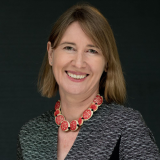
Professor
Rebecca
Bentley
NHMRC Fiona Stanley Synergy Grant Award
Institution
University of Melbourne
Research title
Addressing the public health challenge of mould in homes
Professor Rebecca Bentley is a public health researcher at the University of Melbourne, Healthy Housing Research Lead at the Melbourne School of Population and Global Health, and Director of the Centre of Excellence in Healthy Housing. She is a Dame Kate Campbell Fellow, a mentee of the Australian Academy of Health and Medical Science, and a Global Indoor Healthy Air Commissioner. Professor Bentley is also a past recipient of an Australian Research Council Future Fellowship. Her research examines how housing affordability, security and suitability shape population health and health inequalities, with a focus on reducing the health burden associated with poor housing conditions.
Research overview
Mould affects around one third of Australian homes, posing a largely hidden risk to both building integrity and public health. This research program brings together leading experts in public health, epidemiology, clinical medicine, architectural science, engineering and behavioural psychology to address this complex challenge. The work includes a national survey to better understand mould prevalence across Australia’s diverse climates, the development of targeted interventions through behavioural science and co design, and trials to identify the most effective evidence based solutions. By modelling the population level health benefits of reducing mould exposure, the research aims to empower individuals, inform policy, and drive systemic improvements in housing and health outcomes.
Read more about the Fiona Stanley Synergy Grant Award.
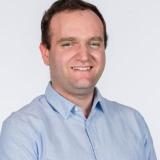
Dr
Craig
Coorey
NHMRC Gustav Nossal Postgraduate Scholarship Award
Institution
University of Sydney | Westmead Hospital
Research title
Improving post-kidney transplant outcomes with a patient-centred causal inference framework
Dr Craig Coorey is a nephrologist at Westmead Hospital and a PhD candidate at University of Sydney within the Centre for Kidney Research. His research focuses on improving outcomes in kidney transplantation, including donor recipient matching and the prediction and management of complications after transplant. Dr Coorey is an active member of the Early Career Committee of the Transplantation Society of Australia and New Zealand, as well as the Transplant Working Group of the Australian and New Zealand Dialysis and Transplant Registry. In 2025, he received an Early Career Researchers Award from the Transplantation Society of Australia and New Zealand in recognition of his growing contribution to the field.
Research overview
Kidney transplantation offers people with kidney failure the best chance to return to normal life but managing the balance between organ rejection and the side effects of strong immune suppressing medications remains a major challenge. These medicines increase the risk of cancers and heart attacks, and organ shortages mean many patients face unequal access to transplantation. This project aims to better predict and address post transplant complications and identify fairer approaches to donor matching. By analysing large registry datasets and strengthening national collaborations, the research will explore improved prevention and management strategies and develop approaches that support more equitable access to transplantation across Australia and New Zealand.
Read more about the NHMRC Gustav Nossal Postgraduate Scholarship Award.
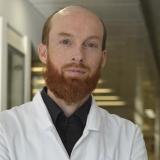
Dr
Tom
Weber
NHMRC Marshall and Warren Innovation Award
Institution
The Walter and Eliza Hall Institute of Medical Research (WEHI)
Research title
A CCTV analog recorder for mouse embryogenesis
Dr Tom Weber is a Senior Research Officer at WEHI specialising in synthetic biology and lineage tracing with applications across mammalian development, cancer and blood and immune cell formation. He has pioneered transformative in vivo lineage recording technologies – including LoxCode, a high diversity cellular barcoding system now used internationally, and rePEat, a prime editing platform that encodes cellular histories directly into DNA. Dr Weber’s research uniquely combines genome engineering, single cell clonal biology and computational modelling, with publications in Cell, Nature and Nature Communications.
Research overview
Understanding how a single fertilised cell gives rise to all tissues and organs has long been limited by the inability to track individual cells as they divide, differentiate and interact. Dr Weber is developing a molecular ‘analog CCTV’ – a DNA-based recorder that continuously logs lineage and developmental signals at a single genomic site during embryogenesis. These molecular recorders write information over time into DNA, creating a stable, heritable log that can be read using long read sequencing and decoded through advanced computational modelling. Applied to mouse embryogenesis, this technology will generate an unprecedented, high‑resolution, time resolved ‘movie’ of development. By revealing how early cell decisions influence the formation of tissues and organs, this research will advance our fundamental understanding of development and open new avenues in regenerative medicine and disease modelling.
Read more about the Marshall and Warren Ideas Grant Award.

Professor
H. Peter
Soyer
NHMRC Marshall and Warren Ideas Grant Award
Institution
Frazer Institute, University of Queensland
Research title
Tracking melanoma at the pixel level: deep image analysis guided by spatial molecular profiling
Professor H. Peter Soyer is a world leader in preventative dermato-oncology and pioneered the use of dermoscopy in pigmented skin lesions for early cancer detection. He now focuses on applications of artificial intelligence in dermatology. Professor Soyer was the inaugural Director of the University of Queensland (UQ) Dermatology Research Centre and Consultant Dermatologist the Princess Alexandra Hospital Dermatology Department and now leads the Australian Cancer Research Foundation Australian Centre of Excellence in Melanoma Imaging and Diagnosis, a consortium of UQ, the University of Sydney and Monash University. He is also a Fellow of the Australian Academy of Health and Medical Sciences.
Research overview
Melanoma is Australia’s third most common cancer and can usually be cured with surgery if it is detected early. Currently, melanoma screening focuses on moles but 70% of melanomas appear on normal skin. Normal appearing skin can carry melanoma promoting changes independent of visible risk factors like chronic sun damage, so this project aims to identify these ‘melanoma prone’ areas. The project will integrate molecular data and total body photography with deep image analysis and train an AI algorithm to detect melanoma prone areas of skin. This will allow clinicians to focus their attention on problem areas and detect melanoma in its earliest stages.
Read more about the Marshall and Warren Innovation Award.

Professor
Mark
Polizzotto
2024 NHMRC David Cooper Clinical Trials and Cohort Studies Award
Institution
Australian National University
Research title
Simple oral immunotherapy versus standard intravenous chemotherapy for Kaposi sarcoma in resource-limited settings: the IMPALA-KS randomised trial of pomalidomide versus liposomal doxorubicin in advanced Kaposi sarcoma
Professor Mark Polizzotto is a clinician scientist who serves as Clinical Director of Cancer Services at Canberra Health Service, where he is a practising haematologist, and Director of the Clinical Hub for Interventional Research at the Australian National University. He is internationally recognised for his leadership in developing new therapies to address the global challenge of cancer. Over 60% of cancers and 70% of cancer deaths occur in resource limited settings – a health burden equal to HIV, malaria and tuberculosis combined. Professor Polizzotto has dedicated his career to addressing this burden by developing simple therapies that can be delivered in these settings. His work led to the first new therapy for Kaposi sarcoma (KS) in over 20 years and has influenced treatment guidelines globally.
Research overview
KS is a common and deadly cancer in Africa. Up to half of people with KS in Africa die within a year, and many survivors are left with long term disability. In rich countries, chemotherapy is used as effective treatment. However, in Africa this is too complex and costly. Our work showed that a simple oral immune therapy is an effective treatment of Kaposi sarcoma. This has been approved for use in several countries but has not been evaluated in Africa where the need is greatest. Our trial, IMPALA-KS, will compare this new oral therapy to standard chemotherapy in Africa. If effective, this simple oral immune therapy could redefine the care of this deadly disease, replacing inaccessible chemotherapy with a daily tablet.
Note: Grant rounds for this scheme run on financial rather than calendar years.
Read more about the David Cooper Clinical Trials and Cohort Studies Award.