We're changing the way Sapphire looks
Same platform, new visual identity. Learn more: Sapphire is becoming NHMRC Grant Management System.
We're changing the way Sapphire looks
Same platform, new visual identity. Learn more: Sapphire is becoming NHMRC Grant Management System.
Keep up with the latest news and stories from NHMRC. Use the search function to browse our articles and latest news.
Our InFocus articles spotlight projects dedicated to advancing human health. Explore these curated stories from the search below.
In our Meet the experts series, we sit down with researchers, clinicians and leaders from across the NHMRC community to explore the people behind the discoveries.
Tune in to our Speaking of Science webinars to hear from top researchers and experts in health and medical research. You can register and join our monthly webinars live or view them later, as they are recorded. Subscribe for notifications about upcoming webinars, so you don’t miss out!
Our Tracker newsletter is produced fortnightly and offers updates on the lasted grant opportunities, guidelines and news for the health and medical research community. Subscribe to receive the newsletter by email or see previous editions in the search field below.
RAO Alerts are emailed directly to Research Administration Officers (RAO) with important updates and timings on our grant opportunities. You can read past editions on the RAO alerts page.
For media enquiries, reach out to us at: media@nhmrc.gov.au or call 0422 008 512.
For more, follow us on social media at: Facebook, X (previously Twitter), Instagram, LinkedIn or YouTube.
Please visit the National Library's Australian Government Web Archive (Trove) for archived articles including Tracker, media releases and RAO alerts.
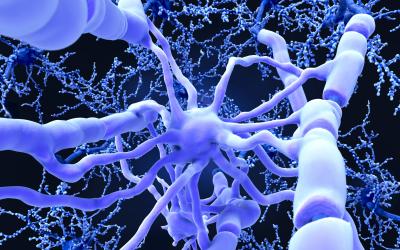
For people with Multiple Sclerosis (MS), the myelin that covers nerve fibres in the central nervous system (brain, optic nerves and spinal cord) is damaged, leading to impairment of cognitive, motor and sometimes sensory functions.

Early in 2020, the University of Melbourne’s Bio21 team was working on protein modelling to better understand antimicrobial resistance for improved drug development. In March they turned their attention to the SARS-CoV-2 virus, which had already undergone many mutations. In September, the team’s work was published in Nature Genetics.

The formation of abnormal proteins in the brain has long been suspected to contribute to the development of Alzheimer’s disease and other neurodegenerative diseases. Yet many individuals with abnormal protein formations do not go on to develop such diseases.
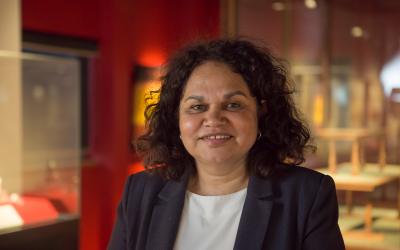
Professor Sandra Eades from Curtin University has dedicated her career to research in Aboriginal health improvements. Professor Eades works with National Health and Medical Research Council (NHMRC) to advise and develop strategic guidelines focused on closing the gap.
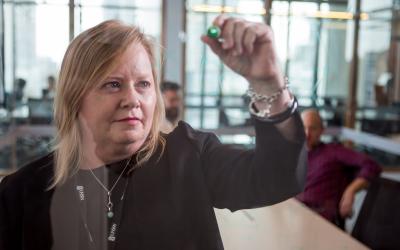
Professor Louisa Jorm is the Foundation Director of the Centre for Big Data Research in Health at UNSW Sydney.

Professor Carola Vinuesa is a Professor of Immunology at the Australian National University and Head of the Pathogens and Immunity Department. She discusses Cellular Immunology and how blue sky research impacts human health.

NHMRC caught up with Professor Andrew Lloyd from The University of New South Wales who develops vaccines for Hepatitis C, which effects 750,000 Australians. Find out how his research is not only helping treat Hepatitis C but working on prevention strategies.

Developing better understanding of effective therapeutic practices with Aboriginal clients, in Aboriginal community settings, and with Aboriginal practitioners, across the spectrum of mental health and social and emotional wellbeing outcomes is the goal of Dr Graham Gee.
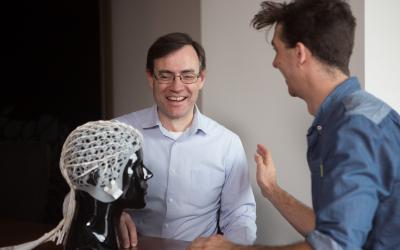
Professor David Grayden is in the department of biomedical engineering at the University of Melbourne. He has undertaken successful innovation and a commercialisation journey, providing practical insights into how he navigates through this research pathway.

Prof Si Ming Man from The Australian National University and his team investigates the role of innate immunity in infectious diseases and cancer. Professor Man received the NHMRC Research Excellence Award for the highest-ranked Early Career Fellowship (2015) and an NHMRC Research Excellence Award for the highest-ranked Career Development Fellowship Biomedical Level l1 (2019). He also received the 2019 Commonwealth Health Minister's Medal for Excellence in Health and Medical Research and the 2021 CSL Centenary Fellowship.
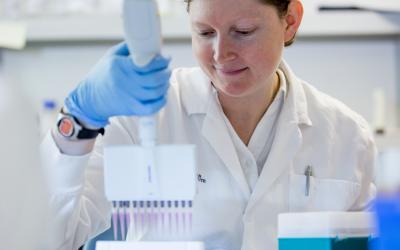
Professor Joanne Reed from the Garvan Institute's research focuses on autoimmune diseases, particularly the origin and role of autoantibodies. 'It's really promising research and NHMRC has been able to fund this. This is something that's capable of having a big impact'. Watch her story in the video below.

The 2020 Commonwealth Health Minister's Award for Excellence in Health and Medical Research has been awarded to Associate Professor Eric Chow of Monash University. The award has been presented each year since 2000 and recognises the top-ranked recipient of a NHMRC Investigator Grant in the Emerging Leadership Level 2 category from the previous year’s application round.

Dr Clara Chow is Professor of Medicine, Faculty of Medicine and Health, Academic Director of the Westmead Applied Research Centre and Academic Co-Director of CPC Westmead. She is a National Health and Medical Research Council (NHMRC) Investigator Grant Leadership awardee and with this leads a research program focused on innovation for health service provision and clinical management of cardiovascular disease prevention. Professor Clara Chow shares her research on cardiovascular disease prevention.
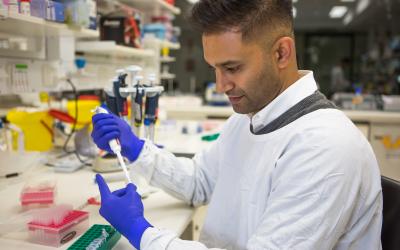
Dr David Gonsalvez heads up a laboratory focused on how glia, the non-neuronal cells in the brain and spinal cord, develop, contribute to neuronal plasticity and respond following injury. David’s lab also focuses on identifying therapeutic targets that may promote the repair of the nervous system in autoimmune diseases such as Multiple Sclerosis (MS).

'What I really like about the NHMRC system is that it is a fantastic scheme for women in science.' Professor Sudha Rao discusses her research into how T cells (or immune cells) regulate themselves when looking at breast cancer.

In 2016 Associate Professor Leonie Quinn relocated to The John Curtin School of Medical Research (ANU, Canberra) to establish the Quinn Group – Cancer Models in the ACRF Department of Cancer Biology and Therapeutics. Associate Professor Quinn is trying to understand how brain cancer develops by using a genetic model through a fly. She hopes to use this information to develop new treatments.
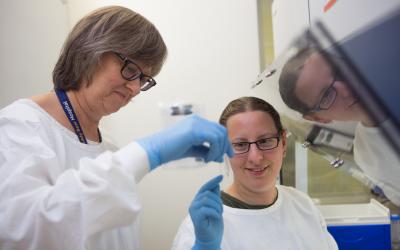
Professor Julie Bines from Murdoch Children's Research Institute is doing some inspiring work, developing the RV3-BB rotavirus vaccine. 'Funding for this research from the very early days has become very critical and NHMRC has provided much of that critical funding through the course of this project'. Listen to Professor Bines' story below.
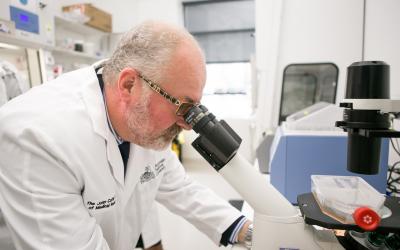
Professor Hannan from the John Curtin School of Medical Research is an internationally recognised laboratory scientist, whose work on ribosome biogenesis has led to new treatment paradigms in cancer, centred on drugs that activate nucleolar stress. Professor Ross Hannan is a great detective of cancer research—finding and developing new cancer treatments for patients. Watch his story in the video below.

Professor Emily Banks is focused on those unanswered questions around prevention to really make a difference.
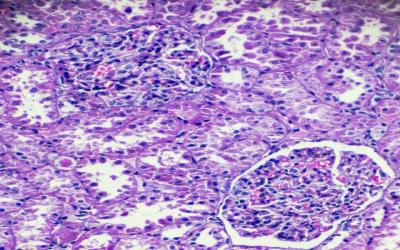
An estimated 1 in 10 Australian adults (10%) – about 1.7 million people in 2011–12 – had biomedical signs of chronic kidney disease.1

Dietary change is a significant lifestyle factor in managing the epidemics of obesity and diabetes. Uncovering the details of effective dietary change requires accurate user friendly dietary assessment and advice tools.
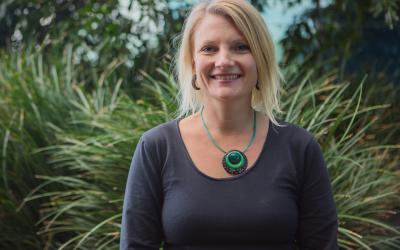
Doctor Tamplim is using therapeutic singing groups to support people living with dementia. Music is the glue that brings people together and it’s cementing and supporting existing relationships.
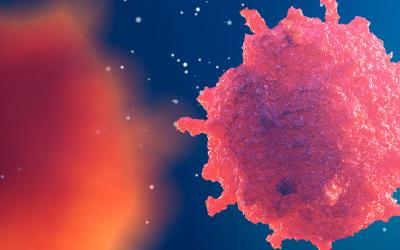
‘Melanoma is the most common cancer for 15–39 year old Australians – with the highest ‘years of life lost’ of any cancer’1

Now an ear, nose and throat surgeon, Associate Professor Kelvin Kong was destined for health care. Growing up Kelvin and his sisters were always keen to help his mother, a Registered Nurse, whenever she had a one of their mob come around to remove a suture, tend to a cut or get a vaccination.
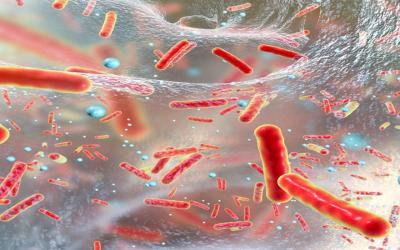
Motivated by a desire to understand the molecular basis of key biological processes, Professor Abell saw an opportunity to use small molecules that selectively bind to bacterial proteins, as a potential mechanism for limiting bacterial survival.
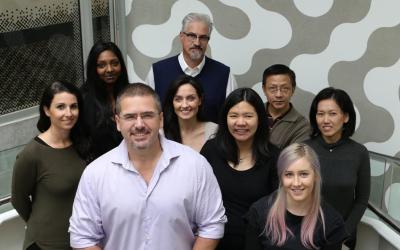
‘In Australia, 15 per cent of the population are aged 65+, estimated to grow to 21 per cent (8.4 million) by 2050.’1

By 2036, the total cost of dementia is predicted to increase by 81 per cent to $25.8 billion in Australia.1
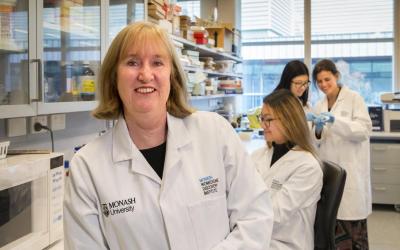
‘18 per cent of all Indigenous Australian adults have chronic kidney disease – two times as likely as non-Indigenous Australians.’

‘One in every ten mothers experience repeated episodes of major depression over their life course – on average, experiencing depression one in every six days of their lives.'
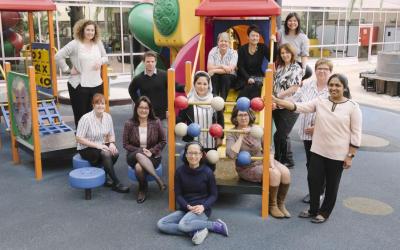
‘There has been a 73 per cent reduction in children hospitalised from severe chicken pox infection since the introduction of the (varicella) vaccine to the National Immunisation Program in Australia in 2005.'1
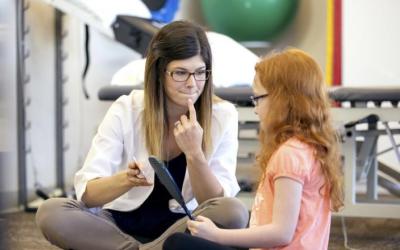
Professor Morgan is Lead of the Neuroscience of Speech research group at Murdoch Childrens Research Institute (MCRI) and Head of Speech Pathology at the University of Melbourne. She is also one of the guideline developers for MCRI’s first Clinical practice guideline for the management of communication and swallowing disorders following paediatric traumatic brain injury for children 0 to 18 years of age (communication and swallowing guideline).
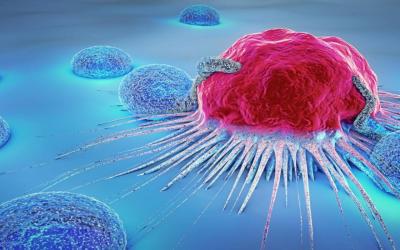
Associate Professor Leah Cosgrove and her team have developed a simple blood test to diagnose colorectal cancer. A reliable, non-invasive blood test could augment the National Bowel Cancer Screening Program, either as an adjunct primary screen for those unable to do the stool test, or in triaging positive subjects to colonoscopy. This could help drive a significant reduction in colorectal cancer deaths in Australia.

Professor Peter Gibson and his team set out to determine whether gluten causes problems in people who do not suffer from coeliac disease. The team found that short-chain carbohydrates called FODMAPs, not gluten, might be triggering symptoms such as bloating and stomach pain. The results have put some scientifically valid findings in this controversial area.
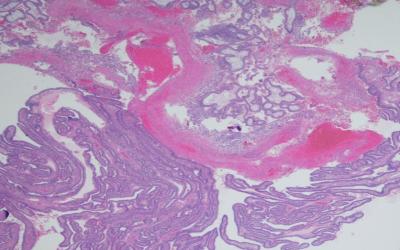
Professor Stephen Tong and the team of investigators are revolutionising the treatment of ectopic pregnancy, meaning most women presenting with the condition could be treated medically, rather than surgically. Not only will this make treating ectopic pregnancies safer, easier and more effective, but it may save many lives across the developing world where surgery is not possible.