Ageing is driven by an accumulation of molecular and cellular damage over time. Professor Victoria Cogger is exploring how we might one day be able to reduce the rate or even reverse the process of ageing by starting with one of the body’s most critical organs, the liver.
Professor Victoria Cogger has always been interested in science with a deep desire to understand how the human body works.
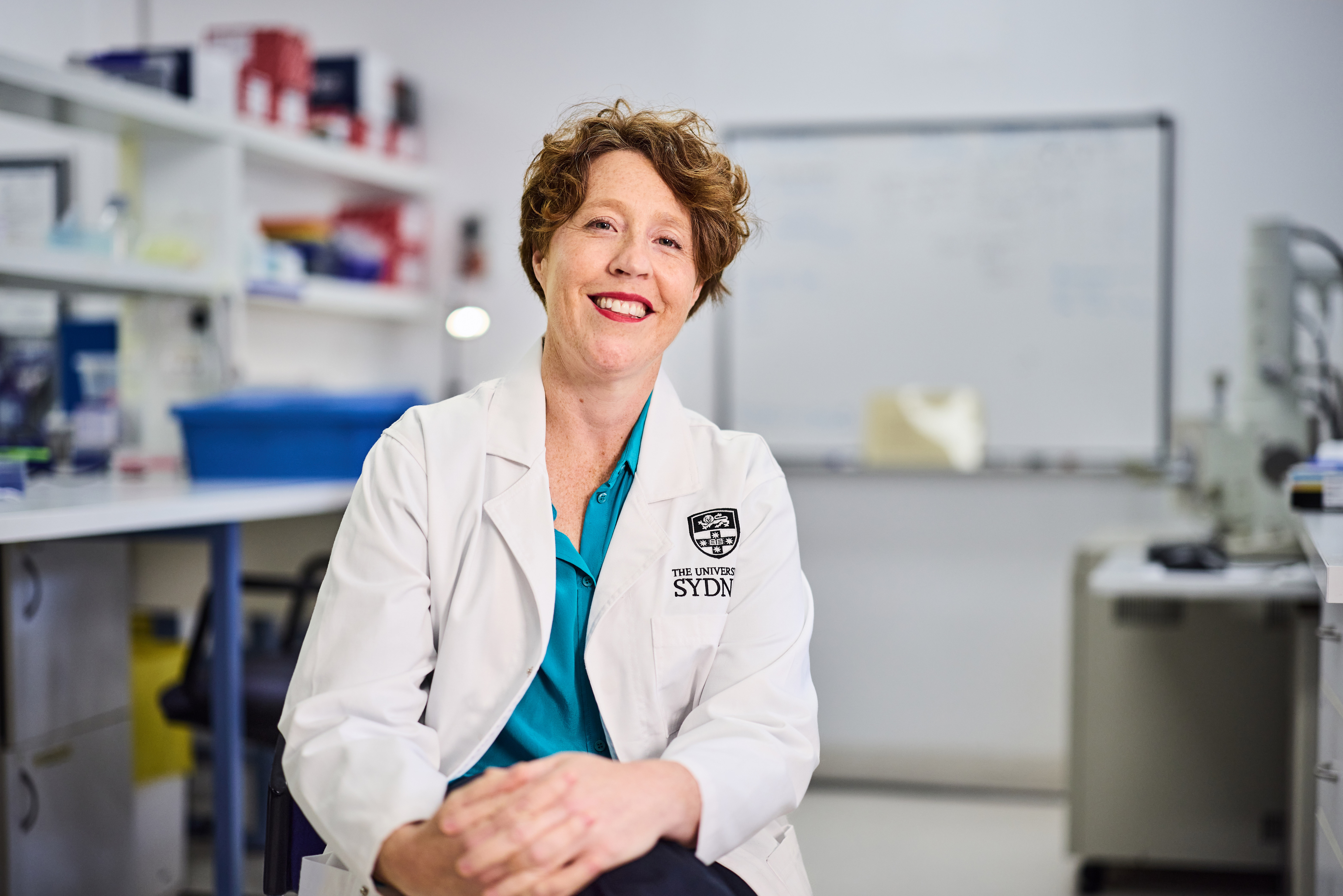
It was long believed that ageing is the process of accumulating dents and bumps over time. But it is now well understood that ageing is a biologically programmed process. The main takeaway from Professor Cogger’s PhD research was that the liver, despite its ability to regenerate, is not immune from the ageing process.
With funding provided through an NHMRC Project Grant, Professor Cogger’s research aimed to discover whether medications that are targeted to the liver in older people can change the biology of ageing and reduce the impact of age-related disease. By targeting the medications directly to the liver, Professor Cogger also wondered whether this could reduce the dosage needed and help to reduce side effects from medication.
Prompted by a collaboration with a team from The University of Queensland using a different type of quantum dot, Professor Cogger and her research team were led to successfully use silver-based quantum dots to target the liver. This proved to be an effective way to not only target the liver but also to carry medications. In some cases, this new formulation reduced the drug dosage by up to 10,000-fold.
Not stopping there, Professor Cogger went on to look at using the silver quantum dots for the delivery of protein-based drugs via an oral route, rather than as an injection. Professor Cogger was able to do this with one of the most common protein-based drugs, insulin.
After its discovery over 100 years ago, insulin has saved countless lives for what was previously considered an incurable and untreatable condition. Oral insulin therapy offers an alternative to injectable insulin therapy and is especially useful for babies and children who can become needle phobic, as well as older people who would benefit from being able to self-manage their diabetes more effectively.
‘We haven't designed a new insulin drug, but we've designed a new way to get it to where it needs to be to work effectively. Almost like a new suitcase, we’ve packaged the drug up using a carrier (silver quantum dot) so that we can also reduce the dose needed and potentially reduce side effects.’ said Professor Cogger.
Reflecting the patience, persistence and comradery of Professor Cogger’s research team, oral insulin for diabetes management was born after completing 200 formulations to get it right. Professor Cogger is grateful for the people she has met throughout her career and the opportunities to deepen her understanding of ageing biology.
Next steps
As a result of this work, oral insulin is now being prepared for clinical trial in Australia, giving people with diabetes an alternative to their current insulin therapy. Over the next 10 years, Professor Cogger would love to see oral insulin become available to people living with diabetes and ultimately remove the need for needles and pumps. Reflecting back on the origins of her career, she also hopes to develop other formulations which improve health and wellbeing of older people living with diseases that require daily, or even more than daily, treatments. Professor Cogger has other exciting disease prevention strategies in the pipeline and, to her, being a part of work that improves treatment and the technology is then used to prevent disease is beyond her wildest dreams.
Chief investigator: Professor Victoria Cogger
Institution: ANZAC Research Institute
Team members:
- Professor David G Le Couteur
- Professor Zdenka Kuncic
- Professor Peter AG McCourt
- Dr Nicholas Hunt
- Mr Glen Lockwood
Grant: Project Grant
Year: 2017–2021
Funding amount: $574,670