Wiradjuri man, Adam Heterick, has built his career as Australia’s first Indigenous bioinformatician at the intersection of genomics, data science and community-led health research.
Saying ‘yes’ to opportunities has been instrumental throughout his career, leading to many pivotal moments that have shaped his research story.
‘It takes a village. I’ve been fortunate that people have invited me into rooms and opportunities’, Adam said.
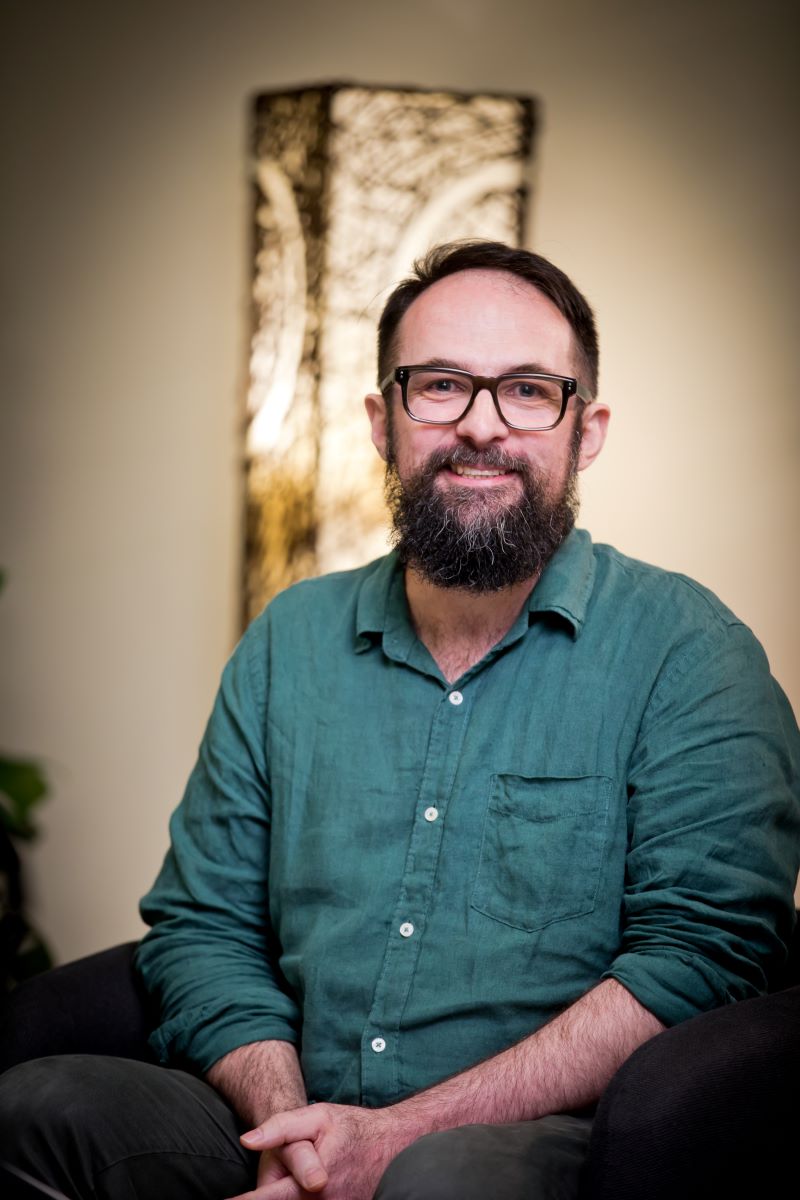
His story demonstrates how non-traditional pathways, cultural knowledge and community centred approaches can contribute to transformative change in health research and policy.
Growing up in Dubbo, NSW and now based on the Gold Coast, QLD, Adam works with Professor Alex Brown's Indigenous Genomics team at Black Ochre Data Labs and ANU’s National Centre for Indigenous Genomics. His journey into bioinformatics was neither planned, nor straightforward. What began as a desire to contribute to cancer research after losing both parents to cancer evolved into a passion for a field that combines biology, genetics, mathematics and computer coding.
‘It wasn’t a planned decision to move into bioinformatics. A unit in my undergraduate degree really spoke to me. One decision led to another and before I knew it, I was in the field.’ Adam reflected.
Adam described the experience as demanding but rewarding, crediting the support of his family, particularly his wife, as a central part of his success in balancing postgraduate studies, full-time work and family responsibilities. He also acknowledged the influence of mentors Greg Pratt and Professor Brown, who provided guidance and opened doors throughout his career. Rather than viewing success as an individual achievement, Adam sees it as something built through relationships, community support and collective effort.
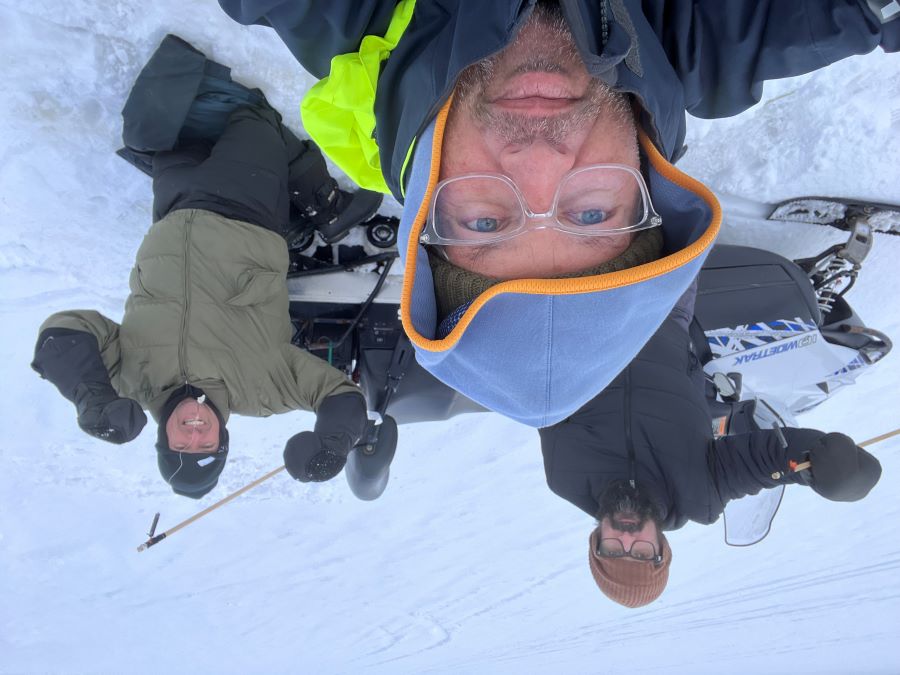
Much of Adam’s work focuses on pharmacogenomics which is the study of how genetic differences affect the way individuals respond to medications. He believes advances in this field can have the potential to significantly reduce preventable harm and improve healthcare outcomes.
Many treatments currently rely on evidence derived largely from European populations. For Adam, precision medicine presents an opportunity to avoid ineffective treatments and improve the quality of life for patients across Australia. However, he strongly believes that innovation should never come at the expense of community priorities.
‘Community has to take the lead. If we’re trying to get answers to questions that communities never wanted or asked for, then we’ve gone too far. Community has to have the final say.’ Adam said.
For Adam, genuine community governance is not an obstacle to research. It is what gives research meaning, legitimacy and value. Strong governance ensures research remains accountable and produces outcomes that are relevant to Aboriginal and Torres Strait Islander peoples.
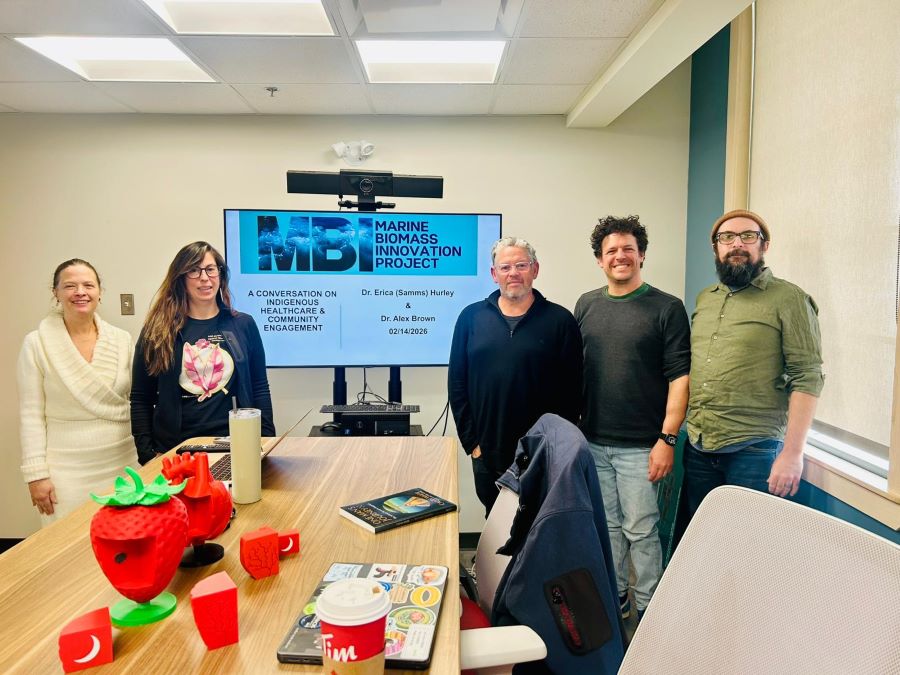
Adam believes the Lancet Commission on Precision Health (the Commission) provides an opportunity to help shape how precision health is integrated into health care systems globally – with equity, access, Indigenous data sovereignty and governance embedded from the outset. As an Early Career Researcher on the Commission, he brings Indigenous genomics research and policy expertise to international discussions about making precision health more effective, fair and accessible.
‘Indigenous Data Sovereignty shouldn’t be a buzzword or an optional extra. It should be a principle of research.’ Adam said.
While serving on NHMRC-MRFF Indigenous Advisory Group, participating in international precision health initiatives, such as the Commission, and contributing to global discussions on data governance, he says he is most proud of being trusted by communities and colleagues to represent Indigenous perspectives.
‘The thing I’m most proud of is being trusted. I don’t take that lightly. If you can practice being true about what you do, be patient and be humble, it sets you up in most situations – not just research.’
When discussing Aboriginal and Torres Strait Islander communities, Adam challenges deficit-based narratives.
‘Our communities aren’t defined by deficits. There’s real strength there.’ Adam said.
Drawing on his experience in working with Indigenous organisations and communities, he emphasises the resilience, leadership and knowledge that have sustained Aboriginal and Torres Strait Islander cultures for more than 65,000 years. He also points to the Aboriginal Community Controlled Health Organisations as a model of excellence in healthcare. Their holistic and community centred approach offers valuable lessons for the broader health system.
‘They aren’t just the gold standard in Indigenous health – they’re the gold standard in health in general.’ Adam said.
For Adam, Indigenous men’s health is deeply personal and closely connected to family, culture and community. As a father himself, he hopes to see Aboriginal and Torres Strait Islander men live longer, healthier lives and remain present in the lives of their children. Health improvements should focus not only on increasing life expectancy but also on improving the quality of life.
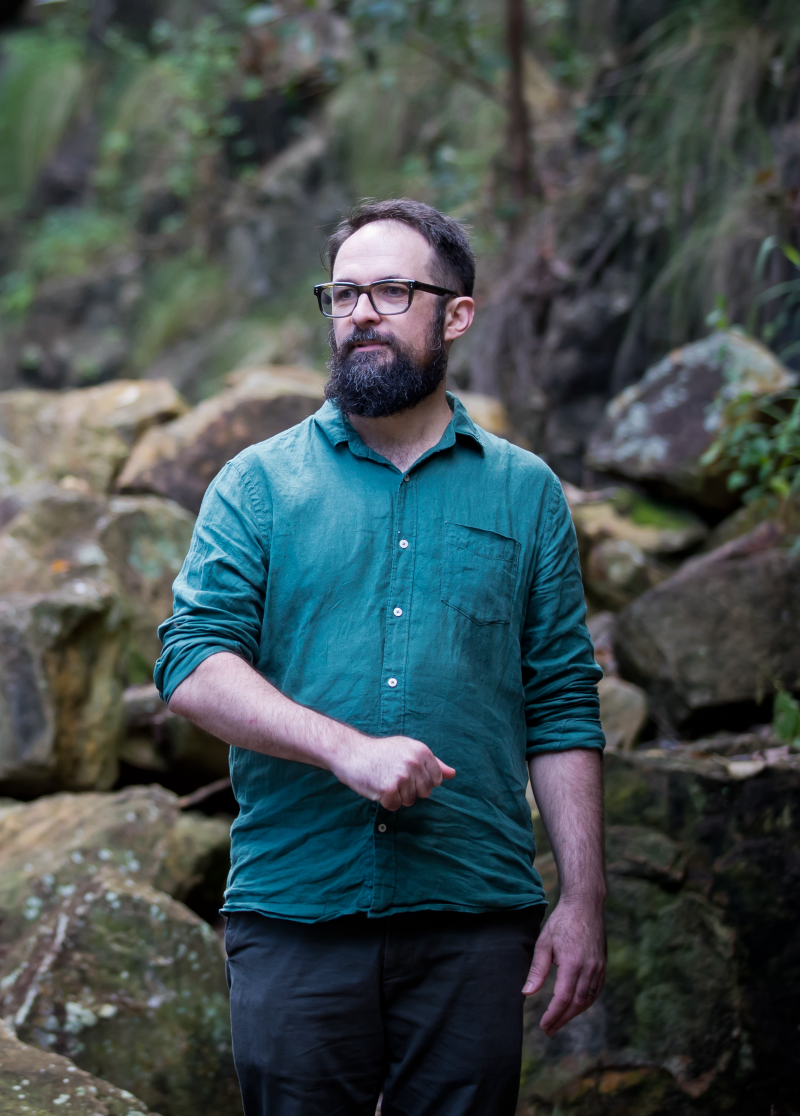
‘We want our men to be around for their families. We want them to be present for their communities.’ Adam said.
Adam pointed to mental health and suicide as the most significant challenge facing Indigenous men’s health today. While the research has identified these issues, he believes greater investment is needed to address them, particularly through community controlled programs and services.
Looking ahead, Adam hopes that his achievement of being the first Indigenous bioinformatician becomes a stepping stone for younger generations as being the first only matters if you’re not the last.
Adam’s vision for the future is one where Aboriginal and Torres Strait Islander scientists, researchers and genomics experts are not viewed as exceptions but as leaders in their field. Reflecting on the legacy he hopes to leave, Adam shared on a simple philosophy.
‘Leave things better than you found them. If we’re doing better than when I started, that’s enough for me.’ Adam said.