
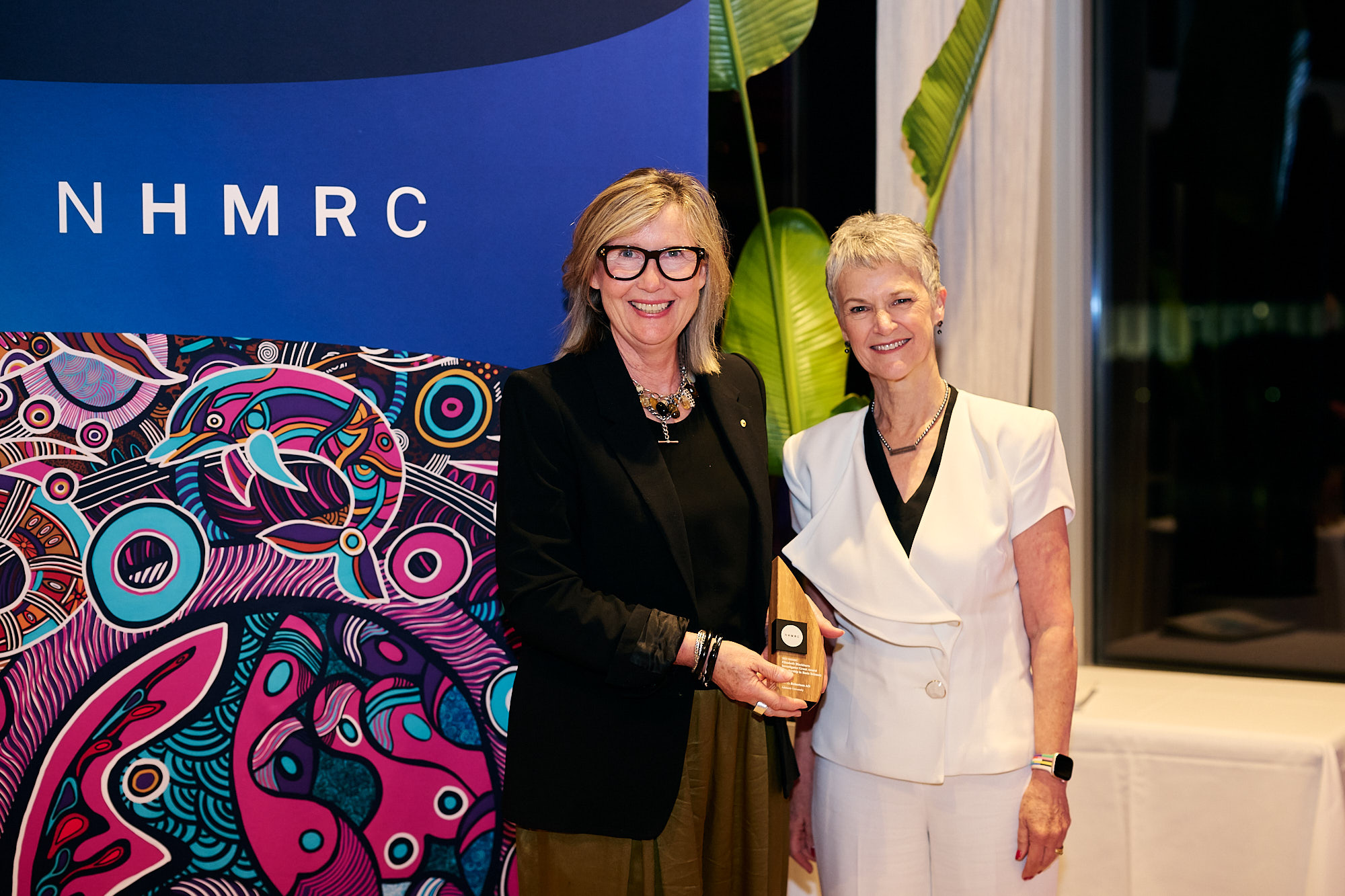
Professor Sarah Robertson AO is a reproductive immunologist and longstanding leader in fertility and pregnancy research at the Adelaide University. Her internationally recognised work has transformed understanding of how immune signalling at conception influences embryo development, implantation, placental formation and pregnancy success. Her research program spans fundamental biology through to translational innovation, with a career distinguished by sustained global impact. Professor Robertson is the recipient of the NHMRC Elizabeth Blackburn Investigator Award for Leadership in Basic Science for her research into periconception mechanisms impacting fertility and pregnancy health.
I have always been fascinated by the amazing process of conception and early development, and with my background in immunology I love the challenge of unravelling the important role of the immune system. With many friends and family experiencing fertility challenges, it seemed an important and remarkably under researched area to explore, with potential to achieve worthwhile results.
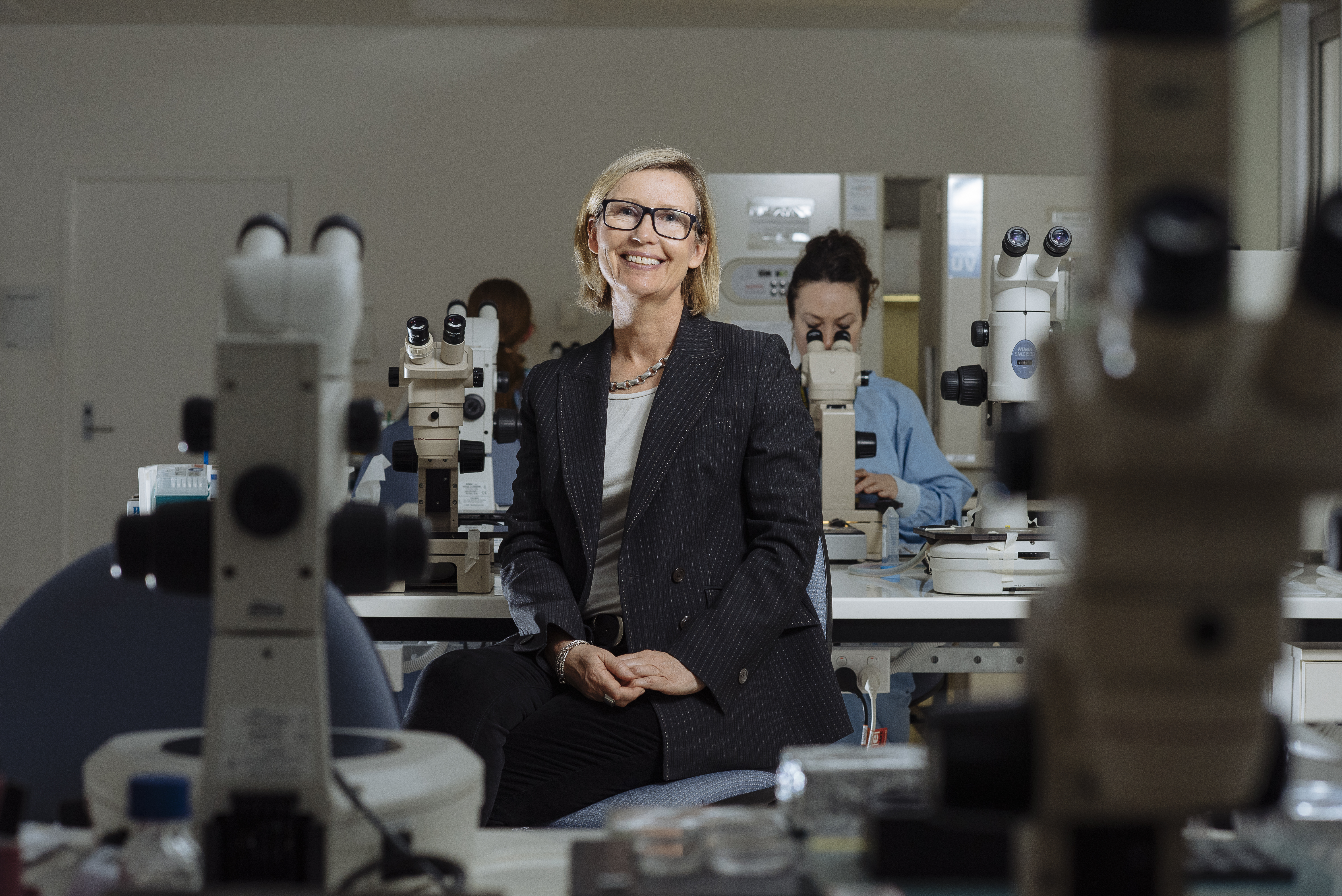
Curiosity in how biology works and motivation to use science to build human knowledge to make the world a better place has been a key driver of my success. My research is focused on understanding the fundamental immunobiology of conception and early pregnancy.
There are many aspects still to uncover how the lining of the uterus is persuaded to accept an embryo, which is genetically foreign to the mother, and allow it to implant and develop.
Our goal is to define the factors that regulate uterine receptivity - the immune cells, cytokines, hormones, and seminal fluid components – and leverage that knowledge to develop better approaches to assist people to achieve healthy pregnancy when they want to start a family.
Understanding the immune cells and other biological factors that promote an optimal environment for conception and embryo implantation allows us to find new ways to assist individuals experiencing infertility.
The insight we gain underpins novel diagnostic approaches to defining the causes of unexplained infertility and recurrent miscarriage, and development of new interventions to prevent and treat these conditions.
For example, we have developed and commercialised a new IVF culture media that includes a naturally occurring cytokine to boost an embryo’s chance of implantation success and we are now working on blood tests to detect immune imbalance that compromises uterine receptivity, as well as better sperm selection methods for IVF that recapitulate how immune cells select the best sperm in the female reproductive tract.
Many later gestation disorders of pregnancy such as preeclampsia and preterm birth have underlying immune causes and arise due to inadequate placental development, so the work we do in early pregnancy also delivers new opportunities to tackle these prevalent conditions.
Our work is also relevant to improving the health of the next generation because the events of conception set the trajectory of health not just in pregnancy and childhood, but across the life course.
There is now clear evidence that susceptibility to many chronic health conditions arising in later life, such as metabolic dysfunction, heart disease, neurological disorders, and autoimmune and inflammatory diseases, are in large part programmed into our physiology due to challenges and exposures in early development.
To maximise the health and life course prospects of the next generation, we have to invest in preconception care to ensure all pregnancies have the best possible start. Our research helps define the mechanisms by which health of adults is connected to events before birth, and provides evidence needed to design the best health policies and practices to support the best start to life.
Disorders of reproduction and pregnancy affect over a hundred thousand Australian families every year – a major health burden with health and wellbeing impacts to women, men and their infants. Better understanding of the basic science of conception will provide evidence we need for policy and practise changes to reduce their incidence, with benefits for the many people struggling with these conditions – and their children.
At a time where the world is coming to terms with declining fertility and its consequences for our societal structure, governments and economies, strategies to improve fertility and reduce the risks of pregnancy loss or adverse outcomes benefits everyone in our community.
Of course there are also major benefits for animal reproduction, particularly for livestock breeding that are important for food production, and rare and endangered species critical for biodiversity and environmental sustainability. Future generations not just in humans, but in all species on earth, depend on reproduction to survive!
I am very honoured to receive this award. It’s great to have recognition of the work that my team and I do. We work hard to progress our research program and strive to make advances that deliver benefits to women, children and families around the world, so the award provides affirmation that this work is valued. It’s important to acknowledge that it wouldn’t be possible without the dedicated effort of many colleagues, post-docs and students, past and present, and the support of the Robinson Research Institute and University of Adelaide (now Adelaide University) that provide an amazing environment in which to work.
I feel incredibly lucky to have found a purpose in biomedical research and am very grateful for the opportunity to lead a research effort that may go some small way towards that goal.