
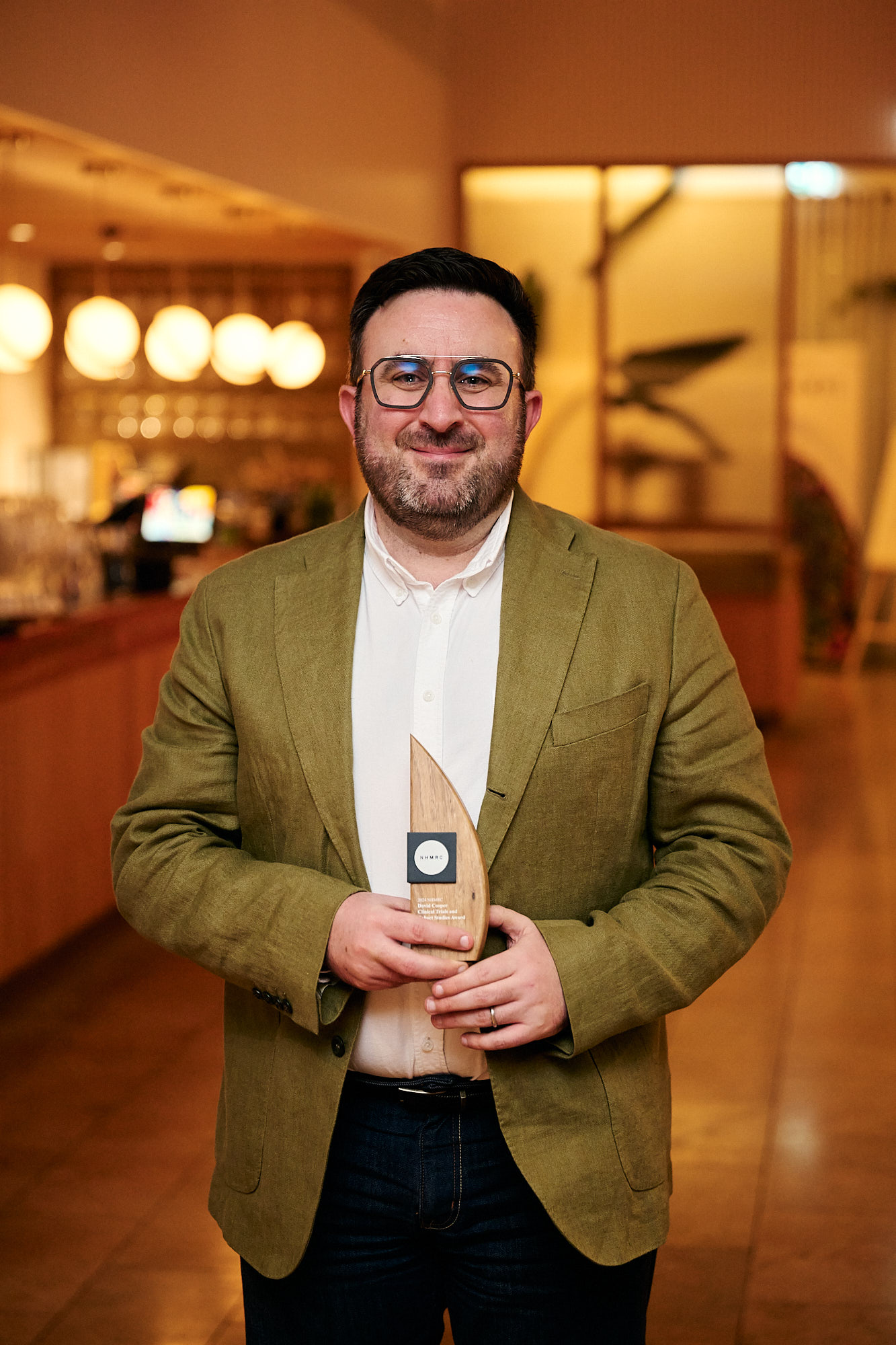
Professor Mark Polizzotto is a clinician scientist who serves as Clinical Director of Cancer Services at Canberra Health Service, where he is a practising haematologist. He is also Head of the Clinical Hub for Interventional Research (CHOIR) at the Australian National University. Professor Polizzotto has dedicated his career to addressing the cancer burden and his work has led to the first new therapy for Kaposi sarcoma in over 20 years and has influenced treatment guidelines globally. He is the recipient of the 2024 NHMRC David Cooper Clinical Trials and Cohort Studies Award.
Cancer is an increasingly urgent global health problem.
Over 60% of cancers and 70% of cancer deaths occur in resource limited countries and over 7 million annual deaths which is equal to the number of HIV, tuberculosis and malaria cases combined.
As a clinician treating cancer in Australia, I can offer my patients effective new therapies as they become available and every week, I can see how those new treatments change and improve lives.
However, the same investment and access are lacking in resource limited countries, including in Africa and parts of Asia, despite the burden of cancer in those communities.
My research program responds to this urgent need, developing cancer diagnostics and treatments that are purpose built for resource limited environments.
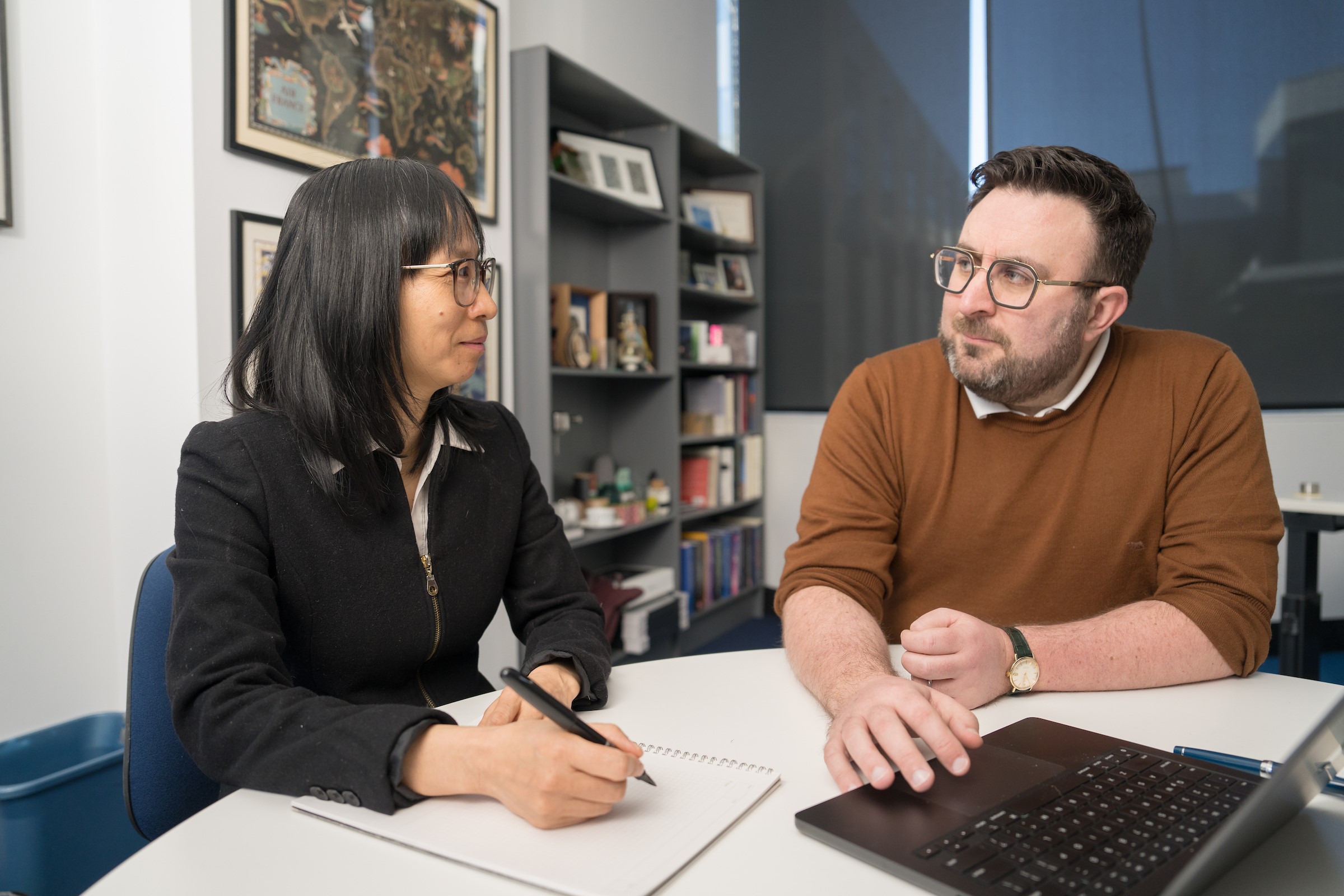
Our goal is to develop an end-to-end 'one stop shop' cancer care pathway from molecular diagnosis to orally available targeted therapies that can be implemented at the local health care level.
I have led international trials to develop new therapies for key diseases that affect people living in resource limited environments. These have changed practice and policy around the world, including developing the first new treatment for Kaposi sarcoma in over 20 years.
Kaposi sarcoma is a rare and deadly type of sarcoma that develops from endothelial cells in the lining of blood and lymph vessels. It is associated with an infection with the human herpes virus 8, which is also known as the Kaposi sarcoma associated herpes virus.
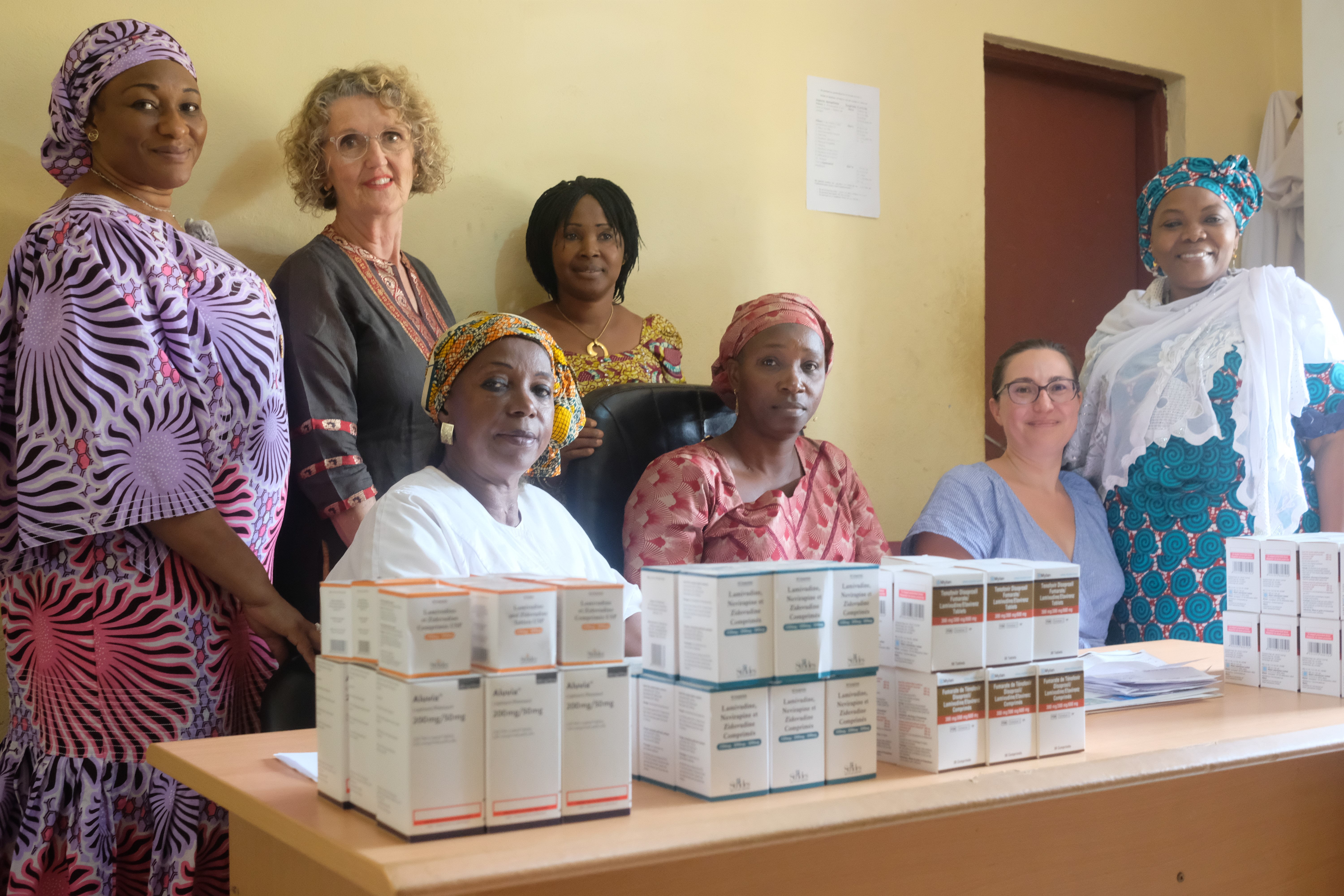
The IMPALA-KS trial builds on my previous research aiming to tackle the prevalence of Kaposi sarcoma in Africa. Up to half of people with Kaposi sarcoma in Africa die within a year, and many survivors are left with long term disability.
In rich countries, chemotherapy is used as effective treatment. However, in Africa this is too complex and costly.
This trial will compare a new oral immune therapy we developed for Kaposi sarcoma, pomalidomide, with the standard treatment, an intravenous chemotherapy which is effective, but expensive and largely unavailable in Africa.
If effective, this simple oral immune therapy could redefine the care of this deadly disease, replacing inaccessible chemotherapy with a daily tablet.
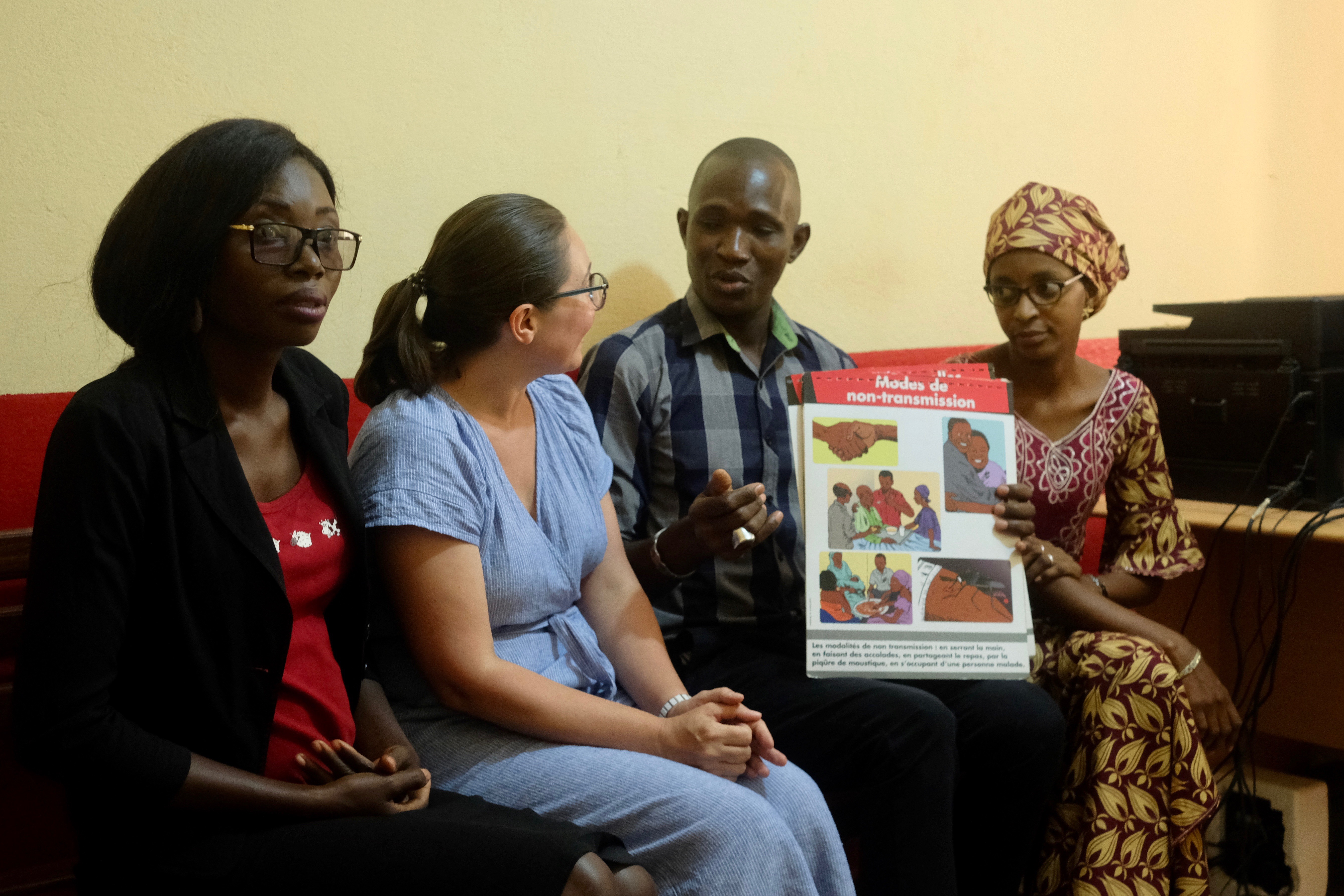
The IMPALA-KS consortium spans over a dozen sites and organisations across Africa, Europe, the US and Asia. More than half of the investigators are based in resource limited environments.
Its success builds on a commitment to deep community engagement to ensure our work is co-designed in partnership with affected groups, and close policy and pharmaceutical partnerships.
In parallel, we have structured mentorship frameworks within the IMPALA-KS trial to train the next generation of researchers.
Receiving the NHMRC David Cooper Clinical Trials and Cohort Studies Award for this trial is a huge honour for our team and has a deep resonance for us. First, it represents recognition by our peers and the Australian community of this often neglected work.
Secondly, our team has a personal connection to David Cooper and his work as he was a mentor of mine, and his work in making simple HIV treatments accessible in Africa through clinical trial and community engagement is a direct inspiration for our work in global oncology today.