
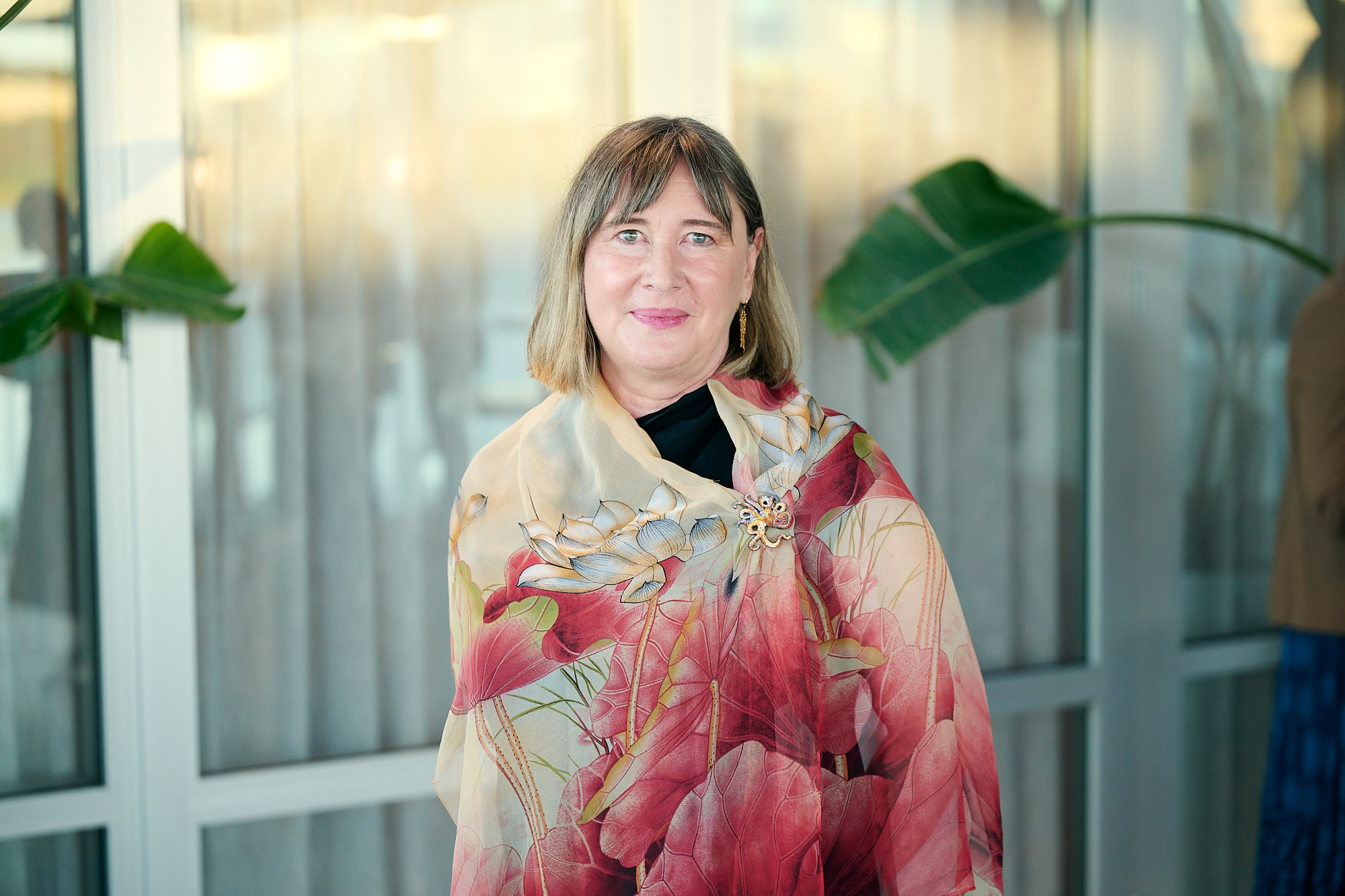
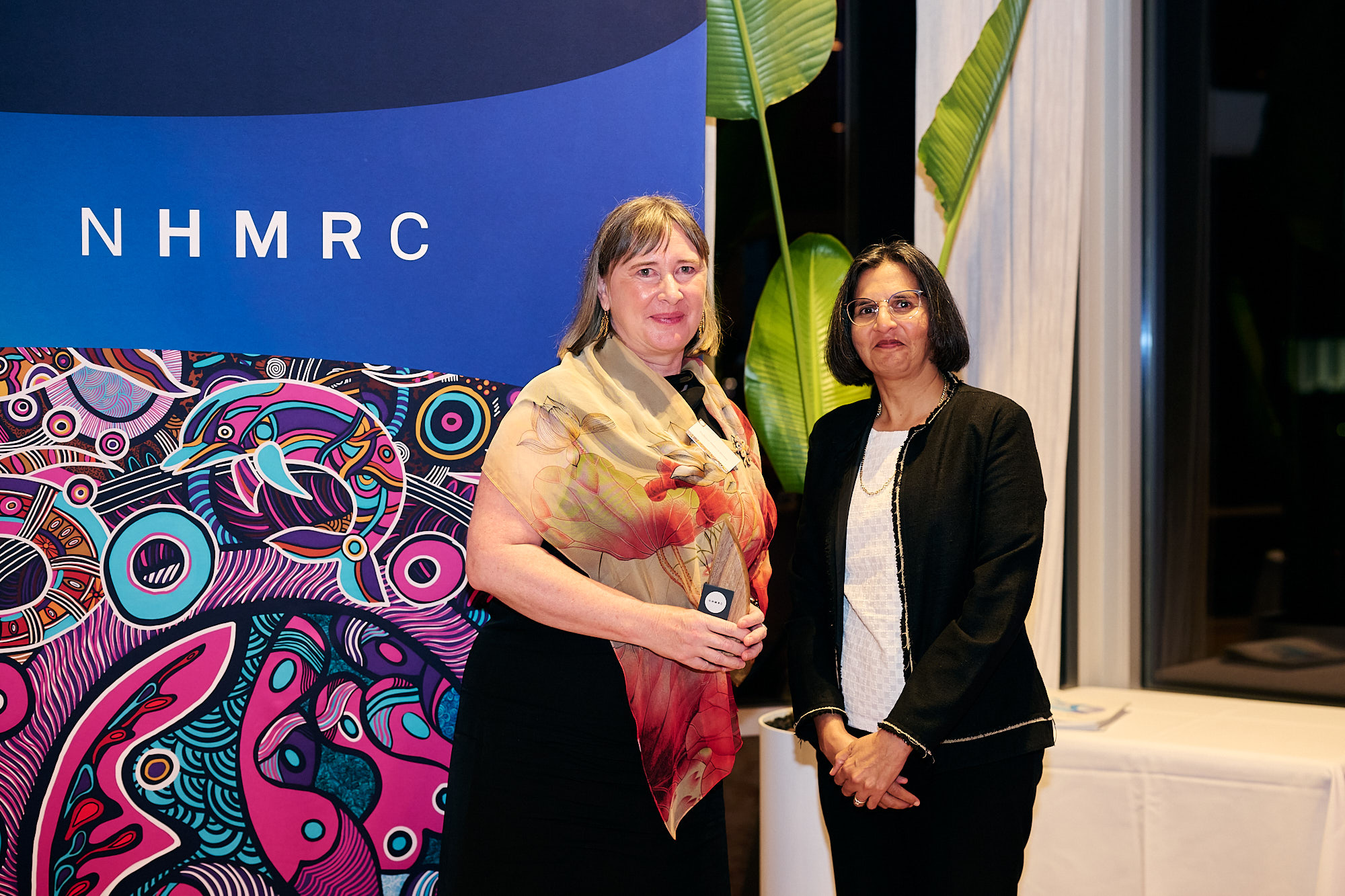
Professor Rebecca Bentley is a public health researcher at the University of Melbourne, Healthy Housing Research Lead at the Melbourne School of Population and Global Health, and Director of the Centre of Excellence in Healthy Housing. Her research examines how housing affordability, security and suitability shape population health and health inequalities, with a focus on reducing the health burden associated with poor housing conditions. Professor Bentley is the recipient of the NHMRC Fiona Stanley Synergy Grant Award for her research into addressing the public health challenge of mould in homes.
I began my academic journey in behavioural sciences. It was early on that I realised to address the health problems that interest me, shifting population distributions and focusing on preventive health policy, could yield greater population level gains than efforts to instigate individual behaviour change.
This realisation led me to public health.
After roles at the Australian Institute of Health and Welfare and studies in epidemiology at the Australian National University, I enrolled in a PhD at the Australian Research Centre in Sex, Health and Society. Supported by a scholarship, I investigated the social determinants of contraception use, finding that population measures of gender equity were associated with contraception use across European countries. I also found that within the United Kingdom, area level socio-economic characteristics were related to contraception uptake, particularly for lower income households.
A formative postdoctoral fellowship followed with the NHMRC funded Australian Health Inequalities Program (AHIP, 2005–2009), a multidisciplinary initiative led by Professors Anne Kavanagh and Fran Baum.
Based at the (then) Key Centre for Women’s Health, the funded time allowed me to develop interdisciplinary and collaborative approaches to complex health issues, with a particular focus on reducing health inequalities.
AHIP supported my emerging agenda on healthy housing, which led to an Australian Research Council Future Fellowship and, subsequently, to leadership of an NHMRC funded Centre of Research Excellence in Healthy Housing based at the Melbourne School of Population and Global Health.

My research has investigated how housing affordability, security and suitability directly and indirectly affect population health. I have used existing data collections such as the Household, Income and Labour Dynamics in Australia survey and applied innovative methods to identify plausible causal pathways between housing exposures and health.
I have described the relationship between housing affordability and mental health in Australia, quantified associations between energy poverty and outcomes including mental health and hypertension and examined the health benefits of stability in social housing.
Most recently, I have led a program of research (supported by the NHMRC) on the health impacts of living in housing that is cold, mouldy and damp.
This research has demonstrated that addressing mould in homes is likely to lead to bigger health gains at the population level than addressing indoor temperature.
Collaboration with multidisciplinary teams has been central to my approach. Each project I have led has involved some combination of epidemiologists, biostatisticians, architectural scientists, economists, urban planners, engineers, microbiologists and sociologists. This collaborative way of working has enabled me to address complex questions and consider the policy and regulatory implications of my findings.
It has also helped me hone skills in leading large, complex, multidisciplinary research projects. In doing so, I have mentored a new cohort of healthy housing researchers with skills in interdisciplinary research across topics that include refugee housing and health, mould and mental health and the intersection of climate, housing and health.
My current focus is developing a public health response to indoor mould exposure.
I am working with collaborators across architectural science, building physics, microbiology, clinical medicine, biostatistics and psychology. I believe meeting this challenge will yield significant health gains and reduce health inequalities in Australia, addressing an important gap in our portfolio of preventative public health measures.